Landmarks
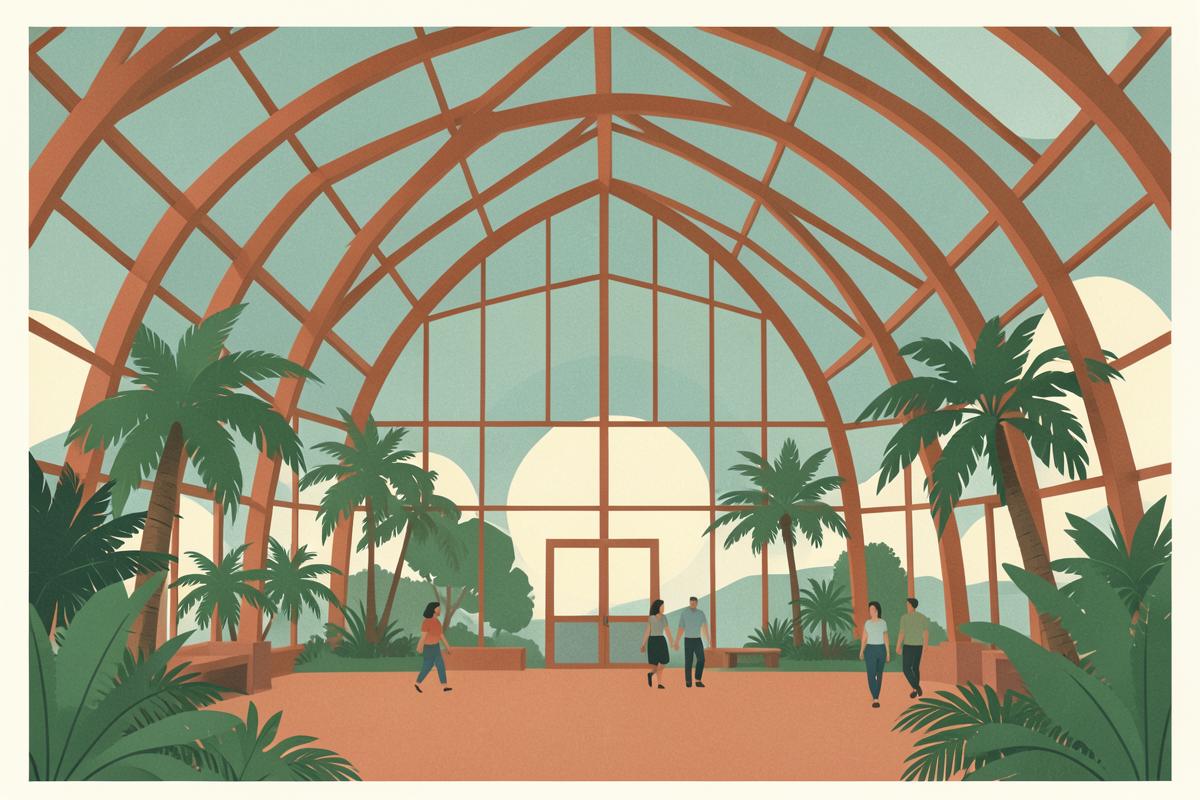
Sheffield Winter Garden
A vast timber-arched glasshouse in the city centre, home to more than 2,000 plants and free to walk through.
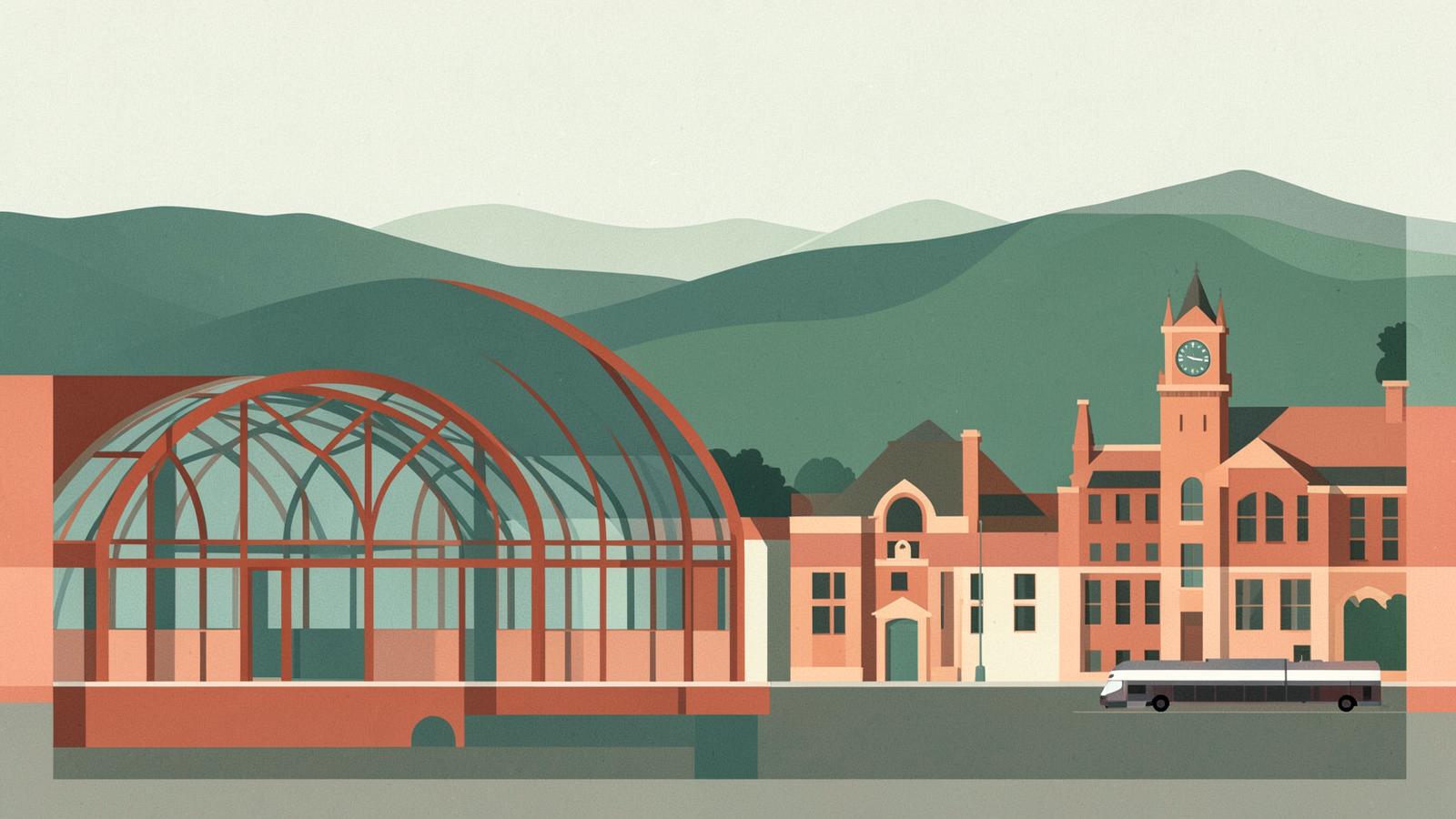
South Yorkshire · United Kingdom
An illustrated tourist map of Sheffield
Sheffield is a green, walkable city built on steel and surrounded by the Peak District. Almost everything a visitor wants sits within twenty minutes of the train station, from glasshouse gardens and world-class museums to the theatre quarter and the old steelworks at Kelham Island.
Use the map to explore. Every pin opens a card, and every attraction has its own page with opening hours, directions and a link to the official site.
Every pin opens a card. Filter by what you fancy doing.
A vast timber-arched glasshouse in the city centre, home to more than 2,000 plants and free to walk through.
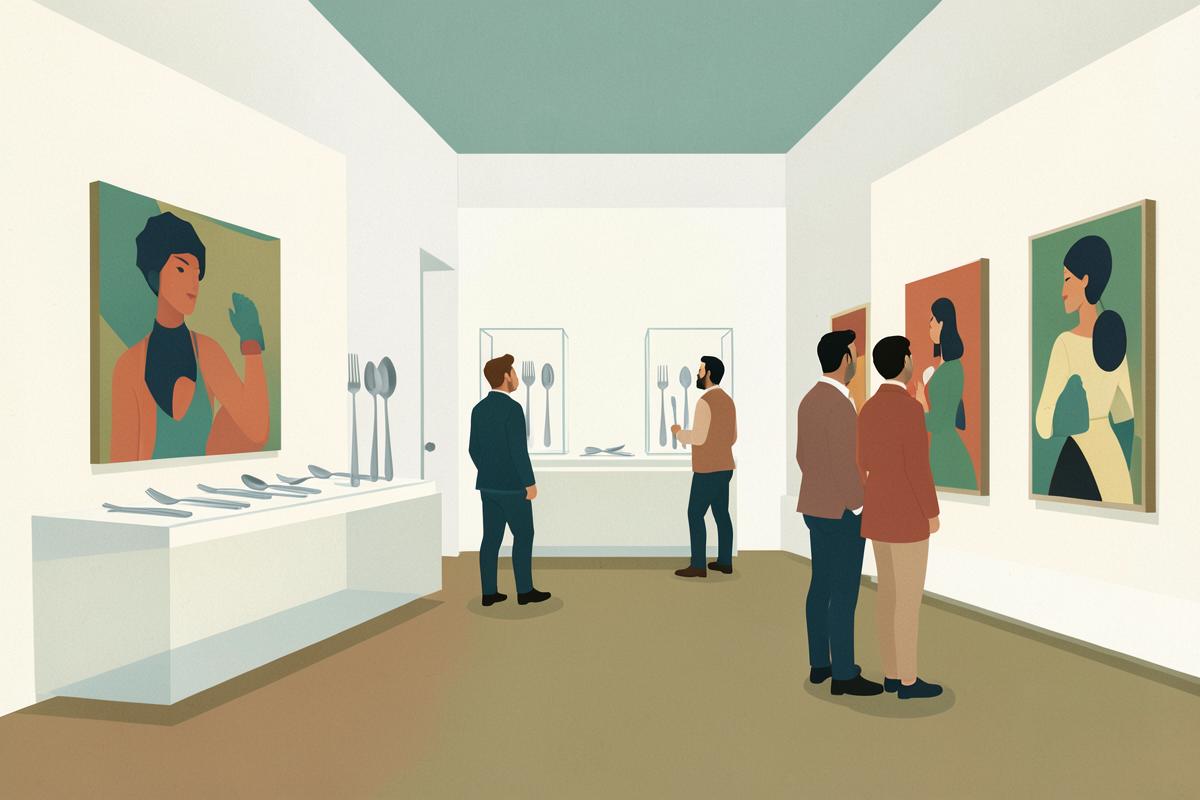
Free city-centre gallery showing Sheffield's metalwork collection alongside major touring exhibitions.
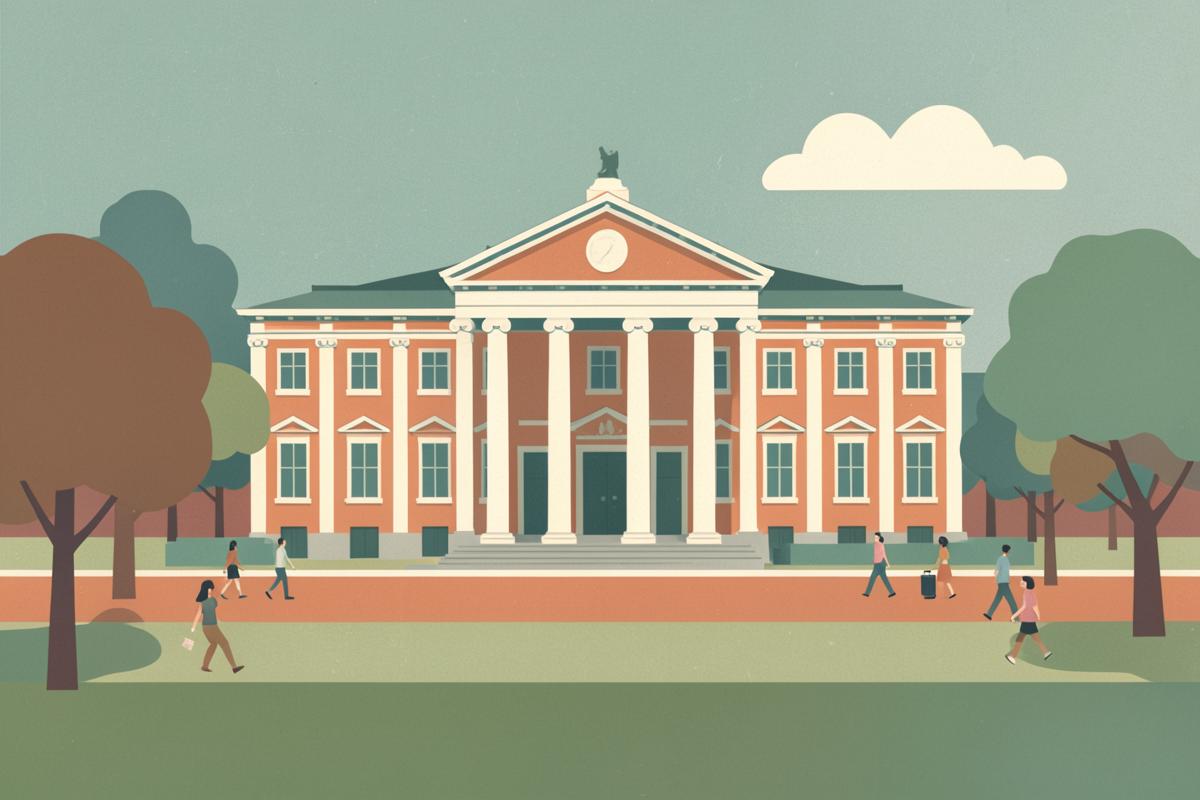
Sheffield's main museum — history, archaeology and natural history — set in a Victorian park near the university.
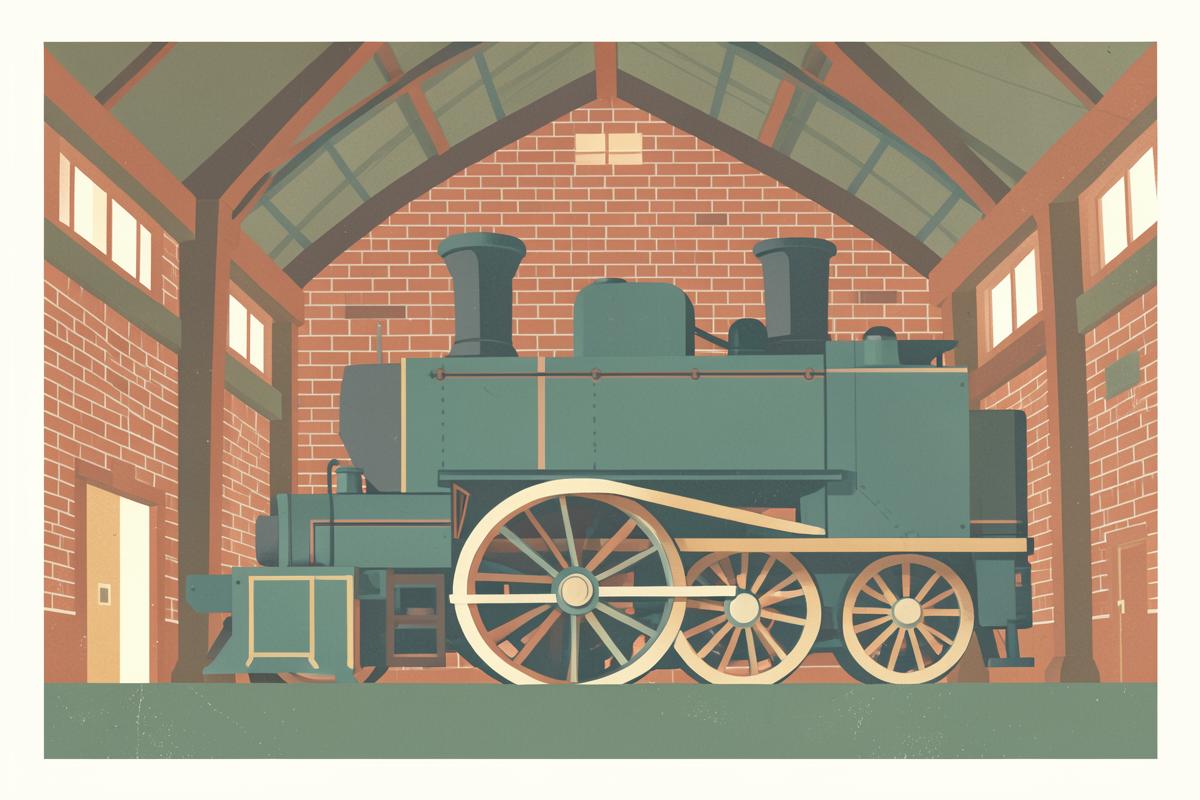
Industrial museum on a man-made island, home to the thundering River Don Engine.
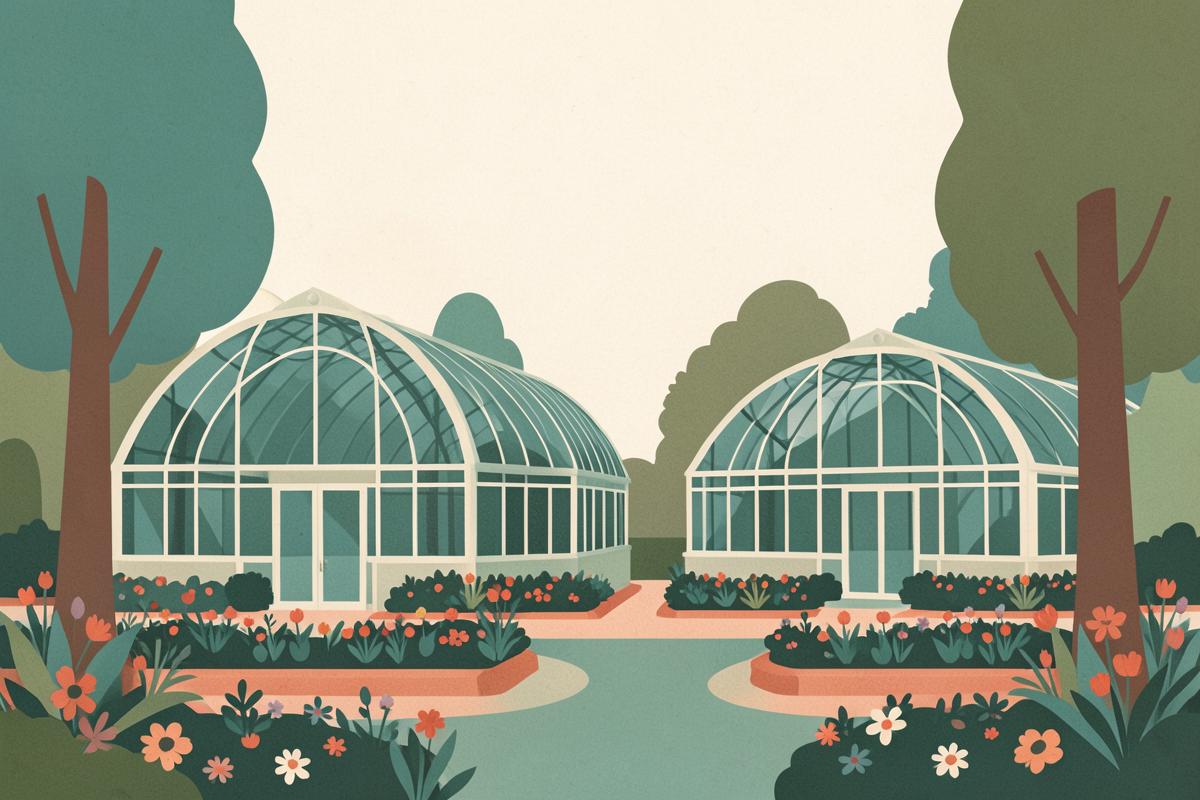
Nineteen acres of Grade II* listed gardens with restored Victorian glass pavilions, free to visit.
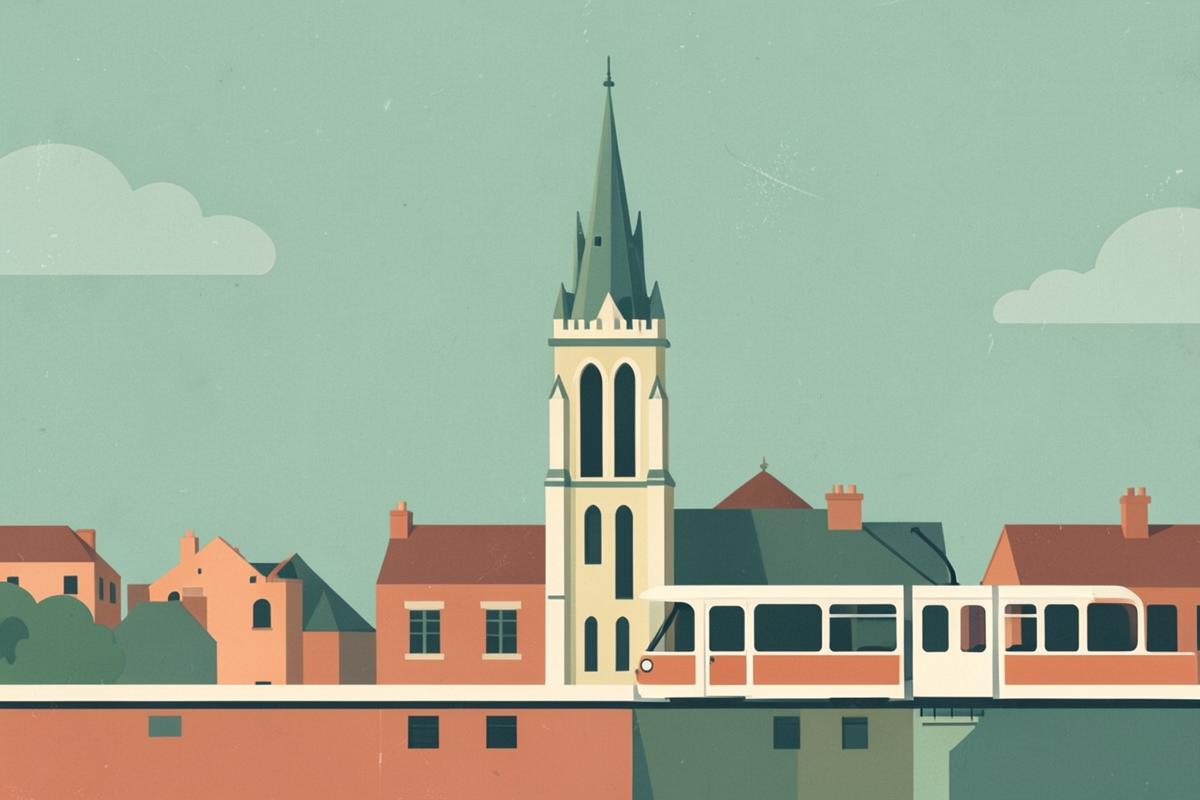
The city's oldest building still in use, with 900 years of architecture under one roof.
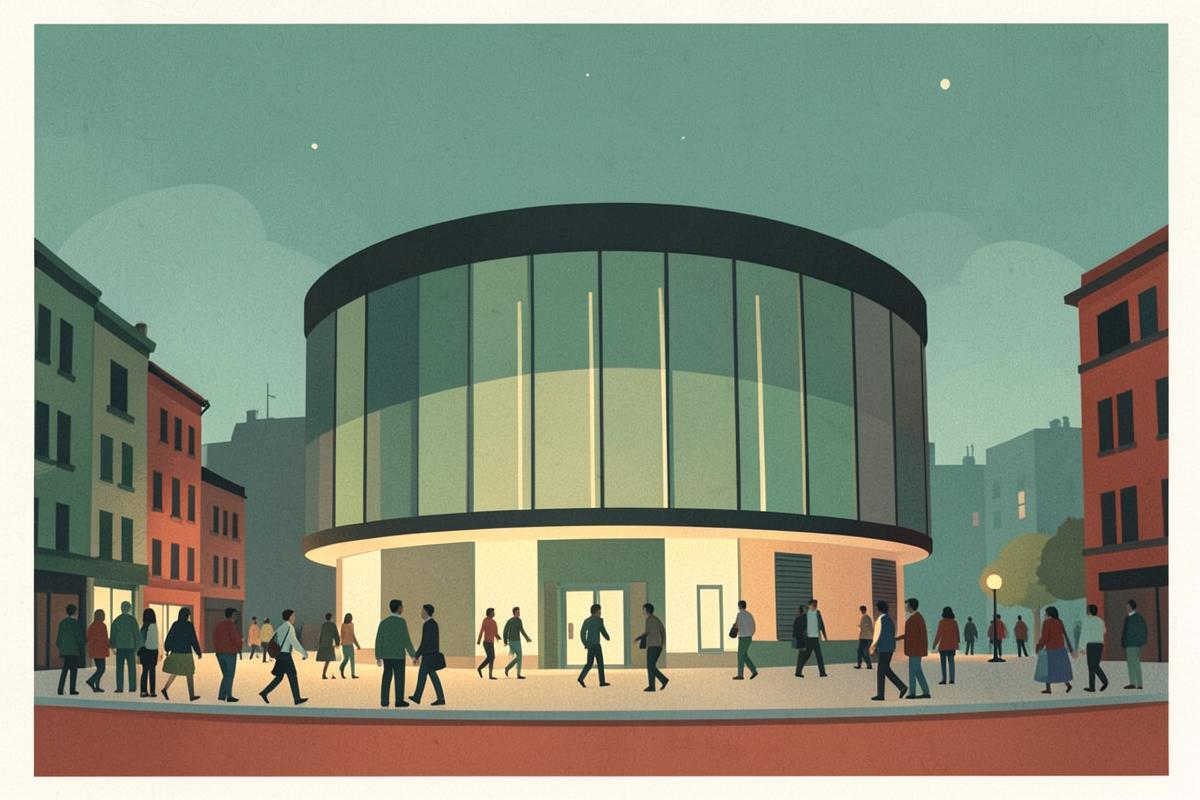
Sheffield's famous thrust-stage theatre and the spiritual home of world championship snooker.
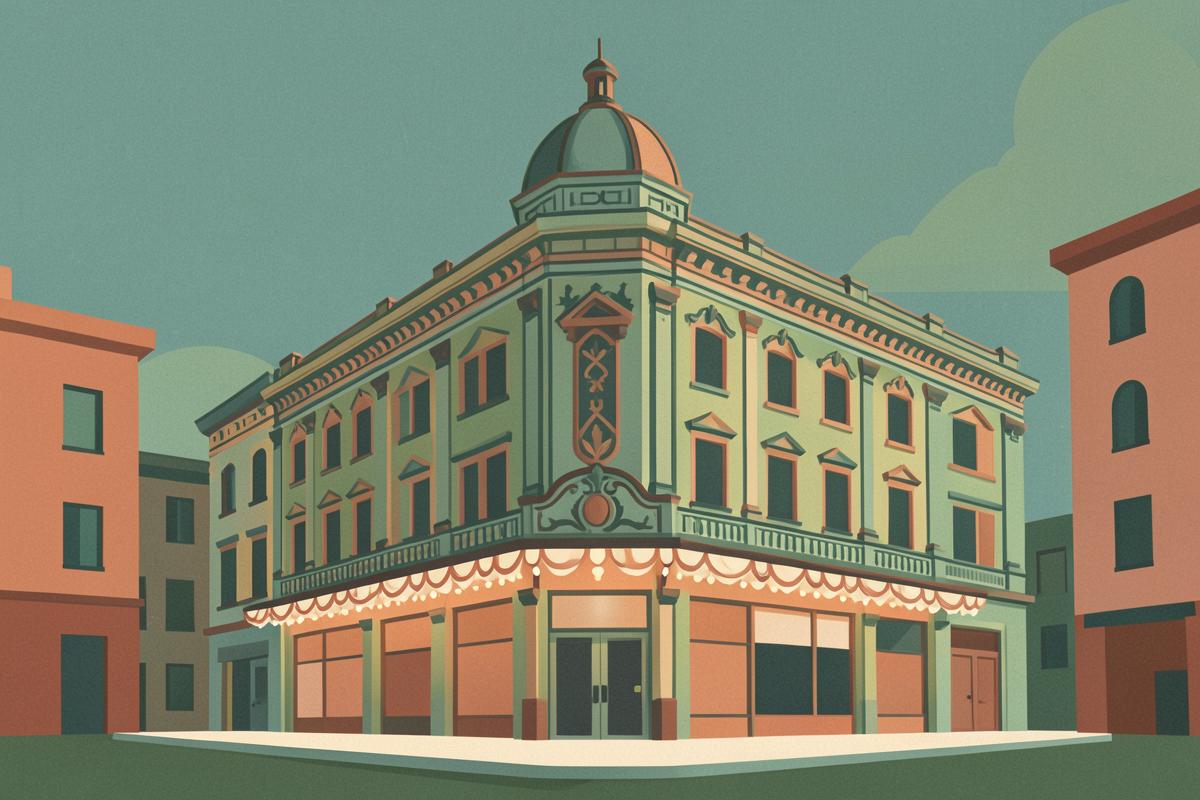
A gilded Edwardian playhouse on Tudor Square hosting West End tours, opera and pantomime.
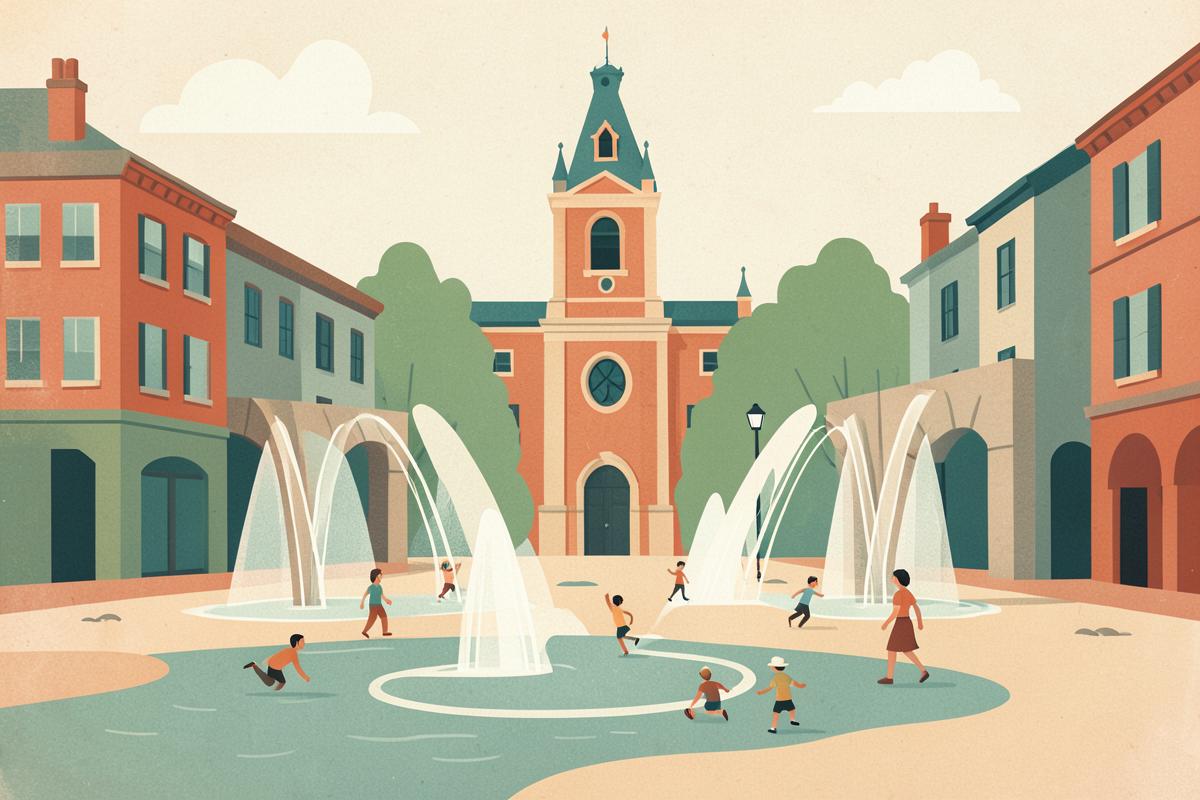
The city's front room: fountains, lawns and cascades beside the Town Hall, busy all summer.
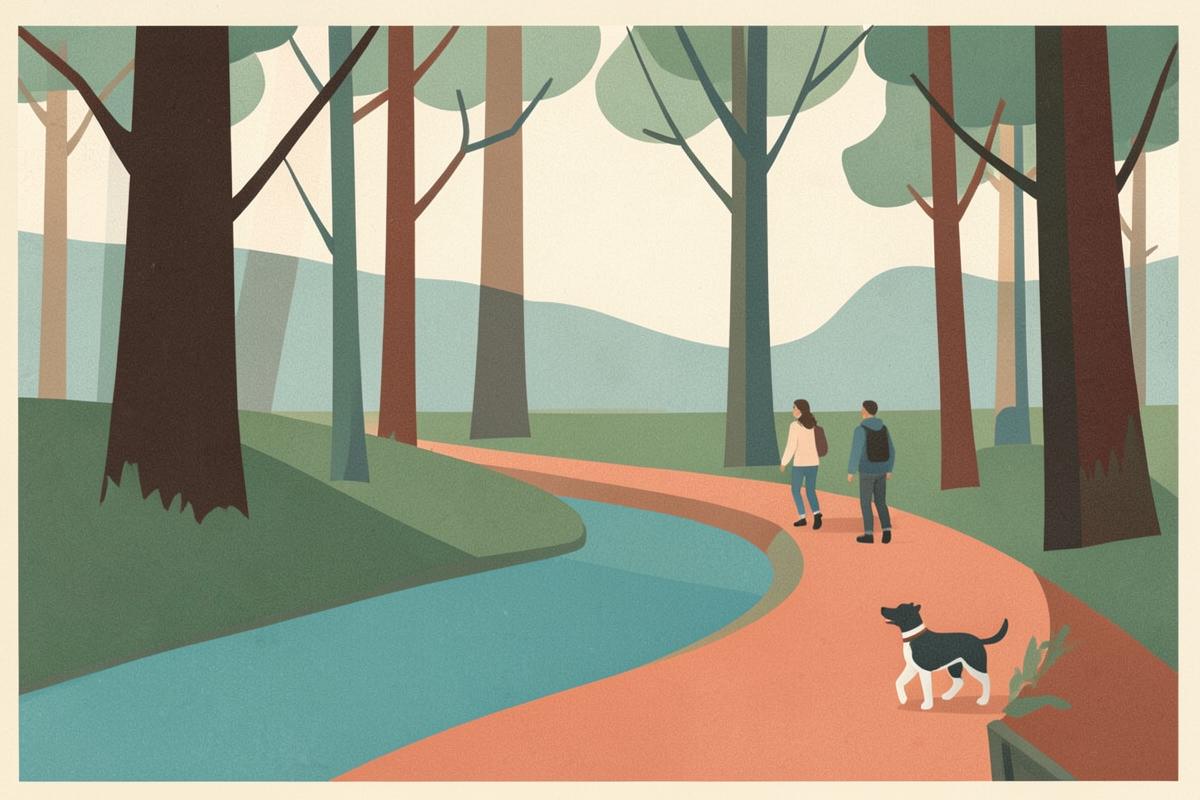
The gateway to the Porter Valley walk — a riverside park leading all the way to the moors.
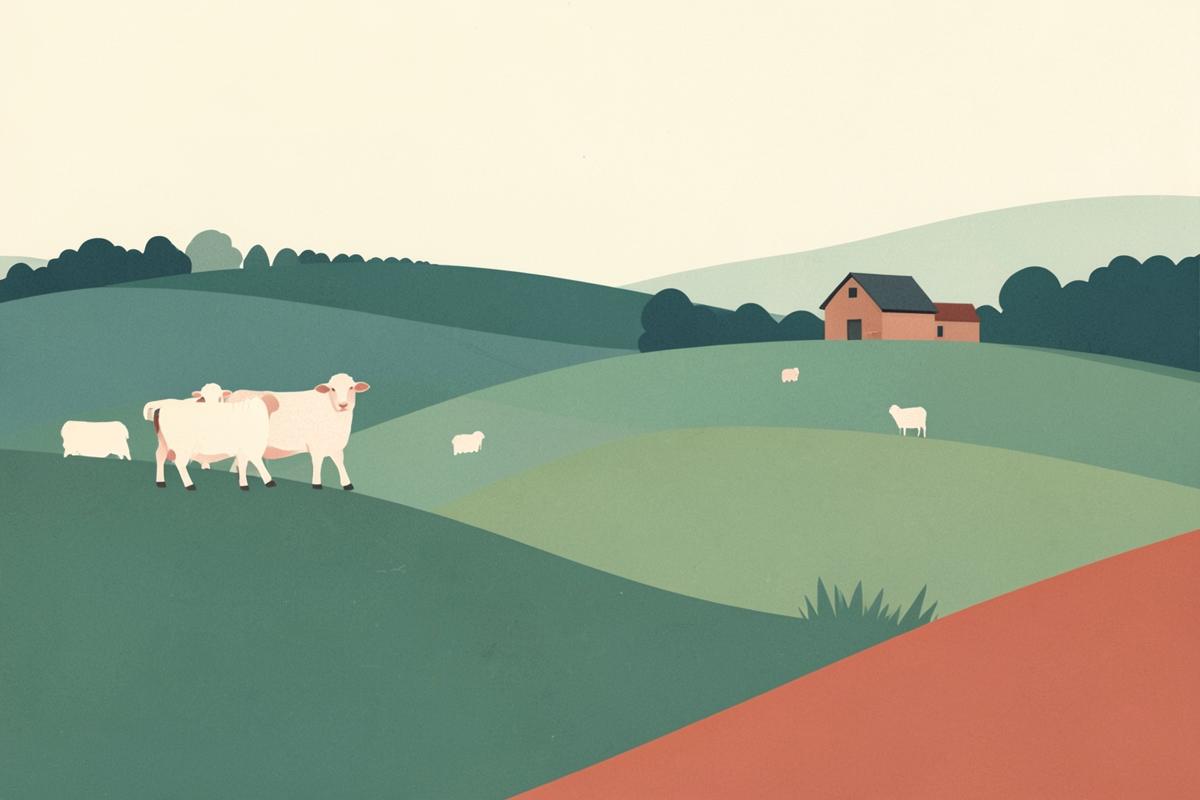
Sheffield's largest park, with a rare breeds animal farm that is free to visit.
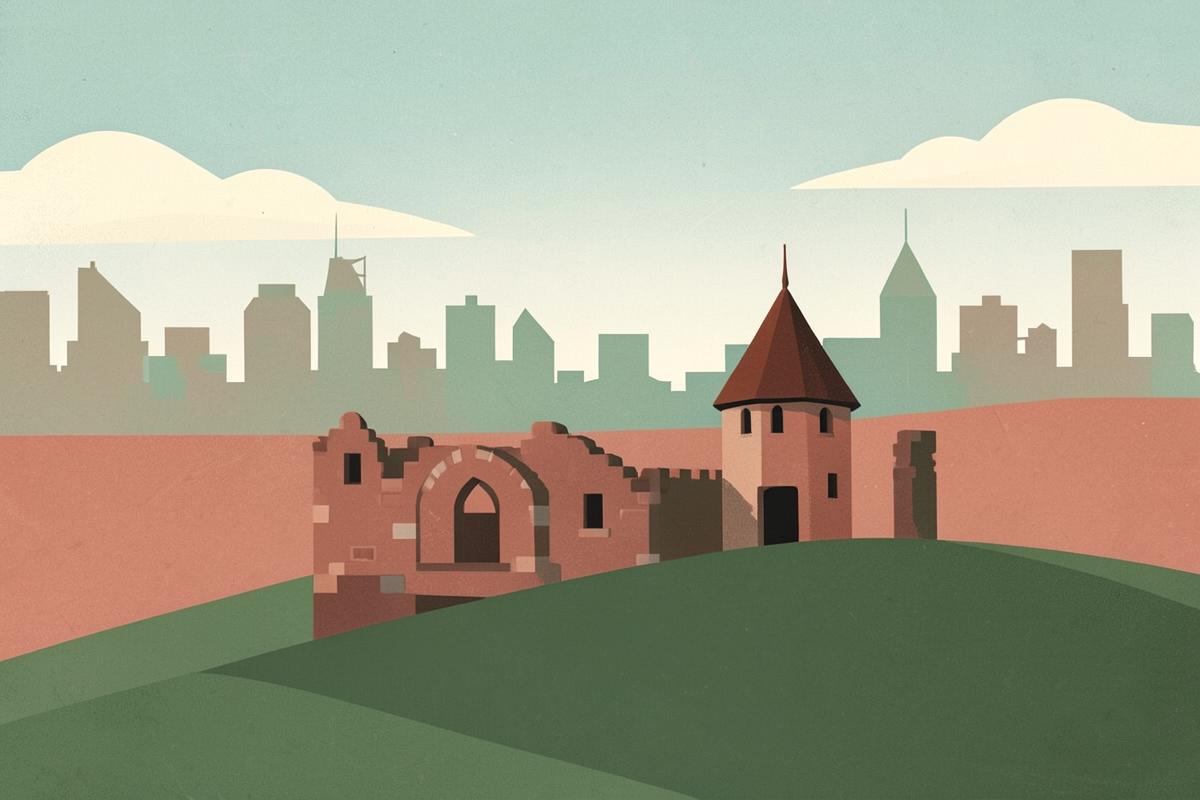
Tudor hunting lodge ruins where Mary, Queen of Scots was held prisoner, with discovery centre and gardens.
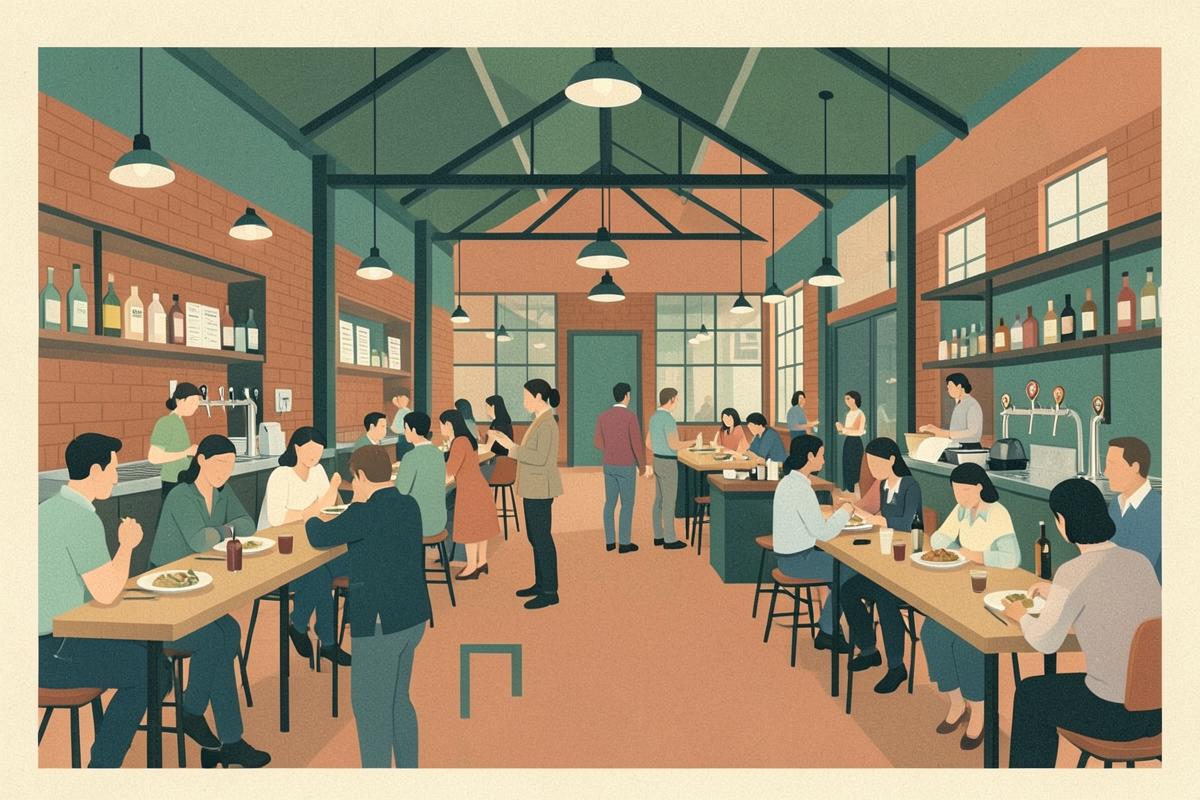
Old steelworks turned into Sheffield's best cluster of craft beer taprooms and street food halls.
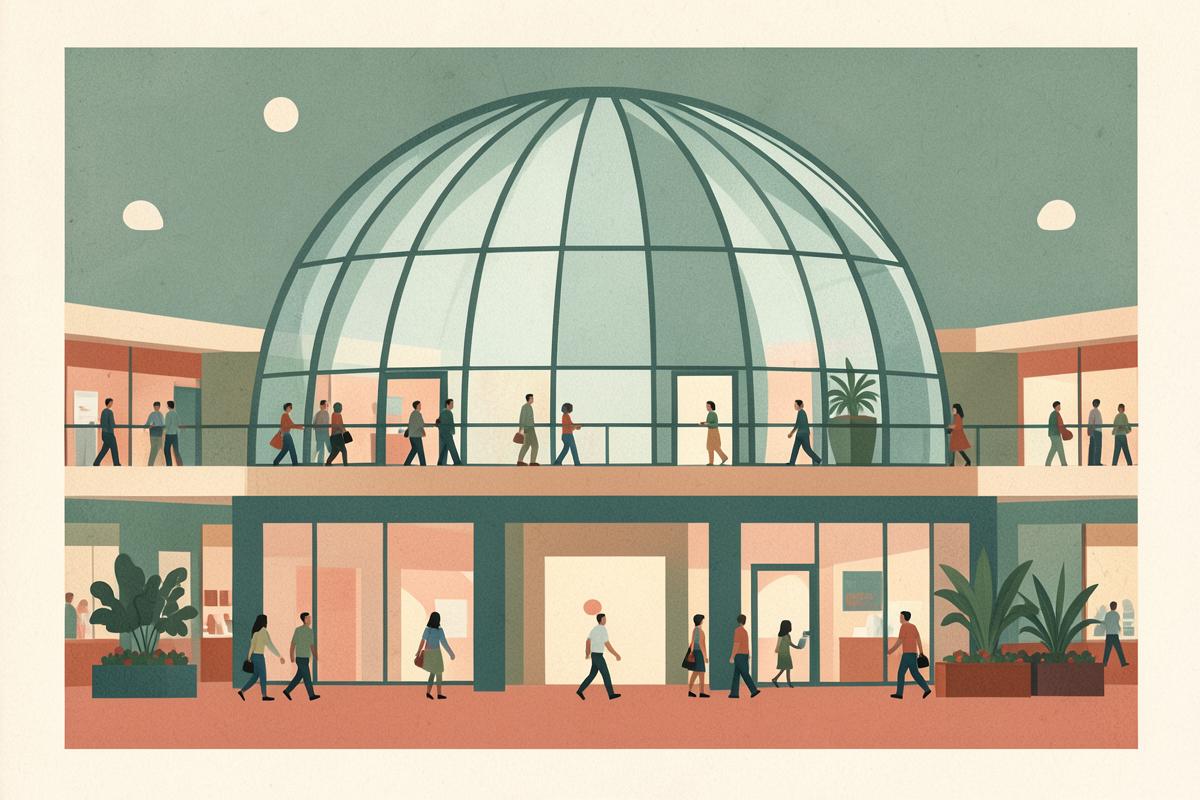
One of the UK's largest shopping centres, with its own tram, train and bus interchange.
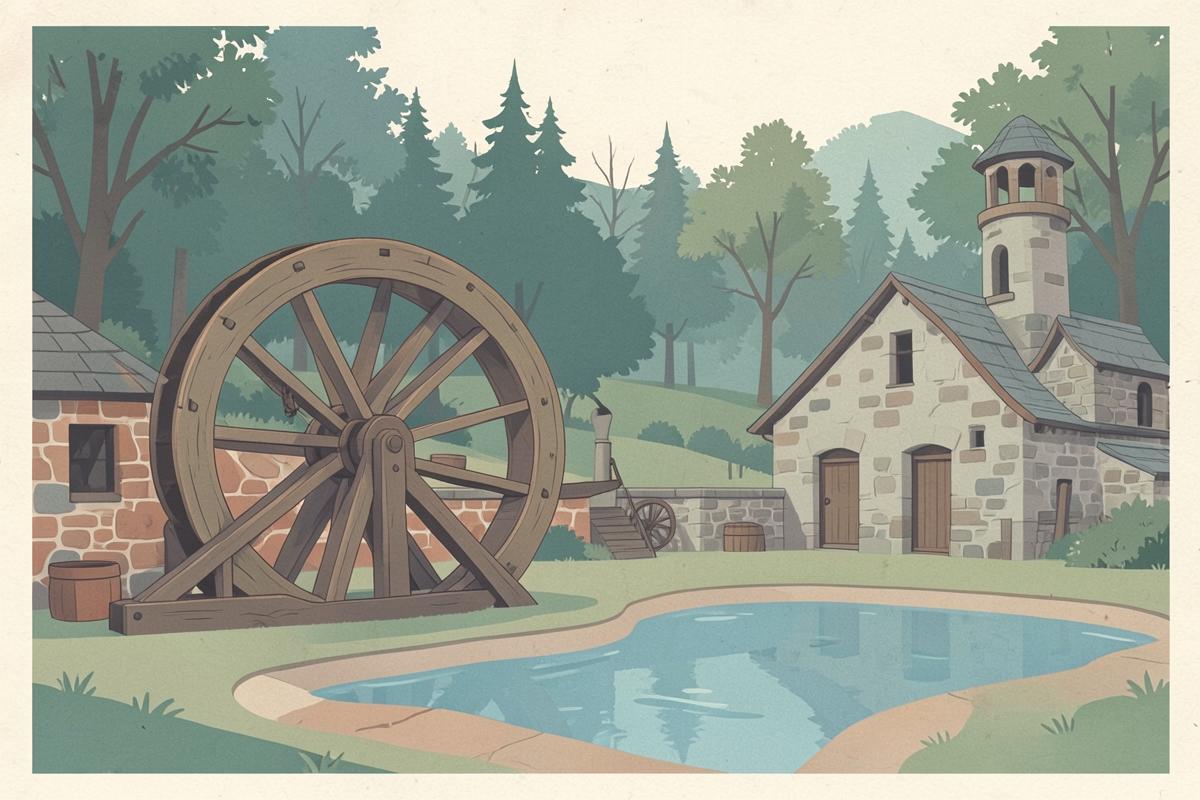
A complete Georgian scythe works with waterwheels, forges and workers' cottages, preserved in the Sheaf valley.
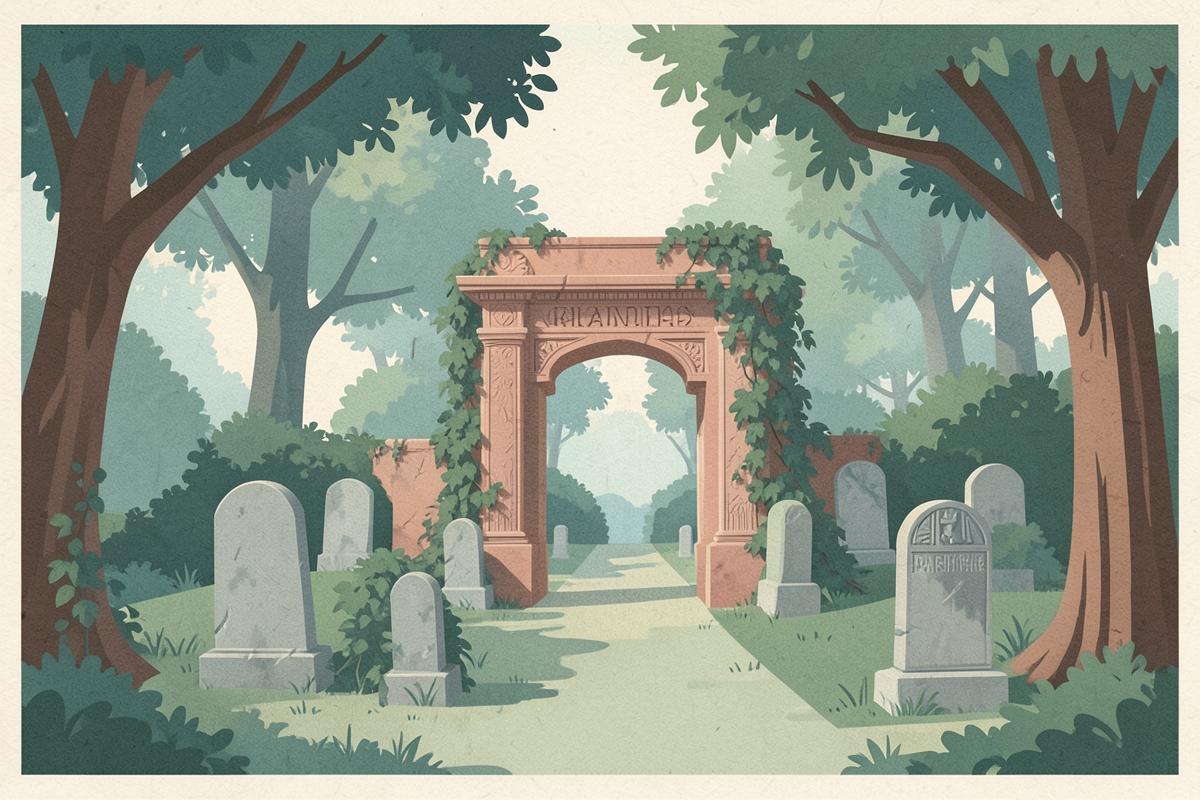
A wooded Victorian garden cemetery of Egyptian gateways and tumbling gravestones, now a nature reserve.
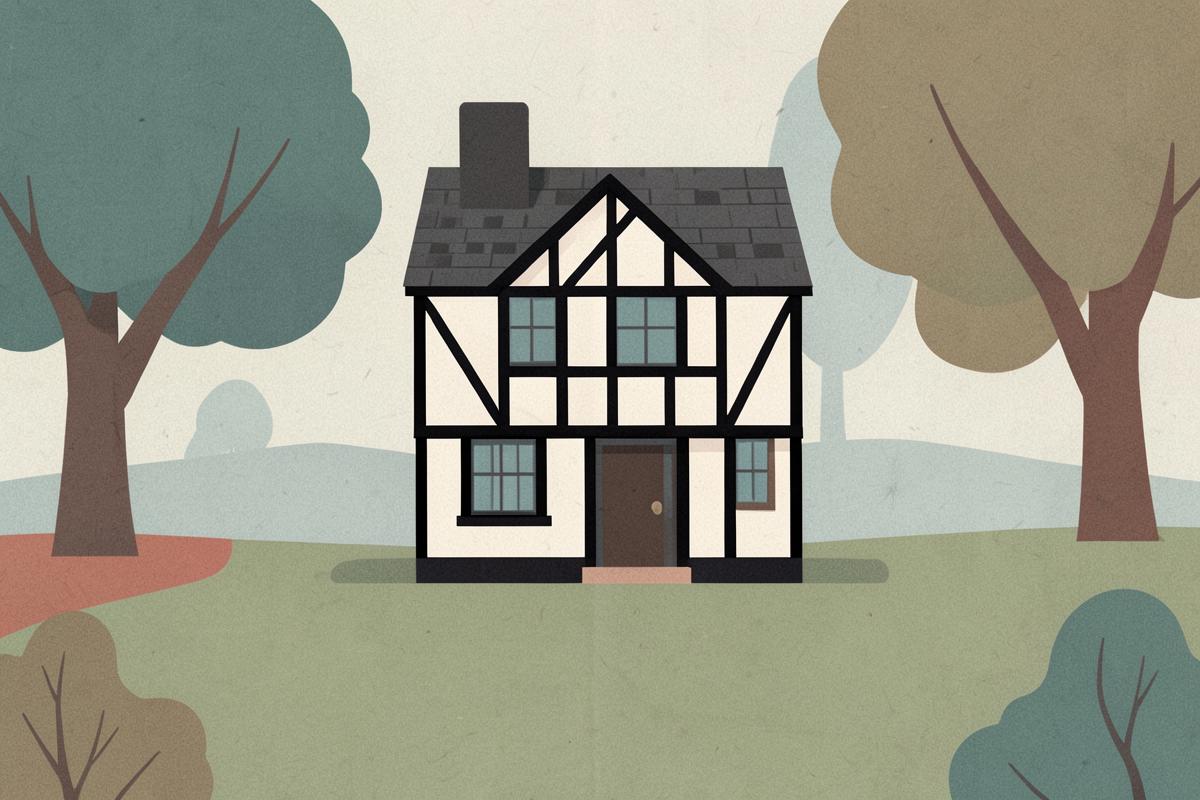
Sheffield's best-preserved timber-framed house, a 500-year-old yeoman's home above Meersbrook Park.
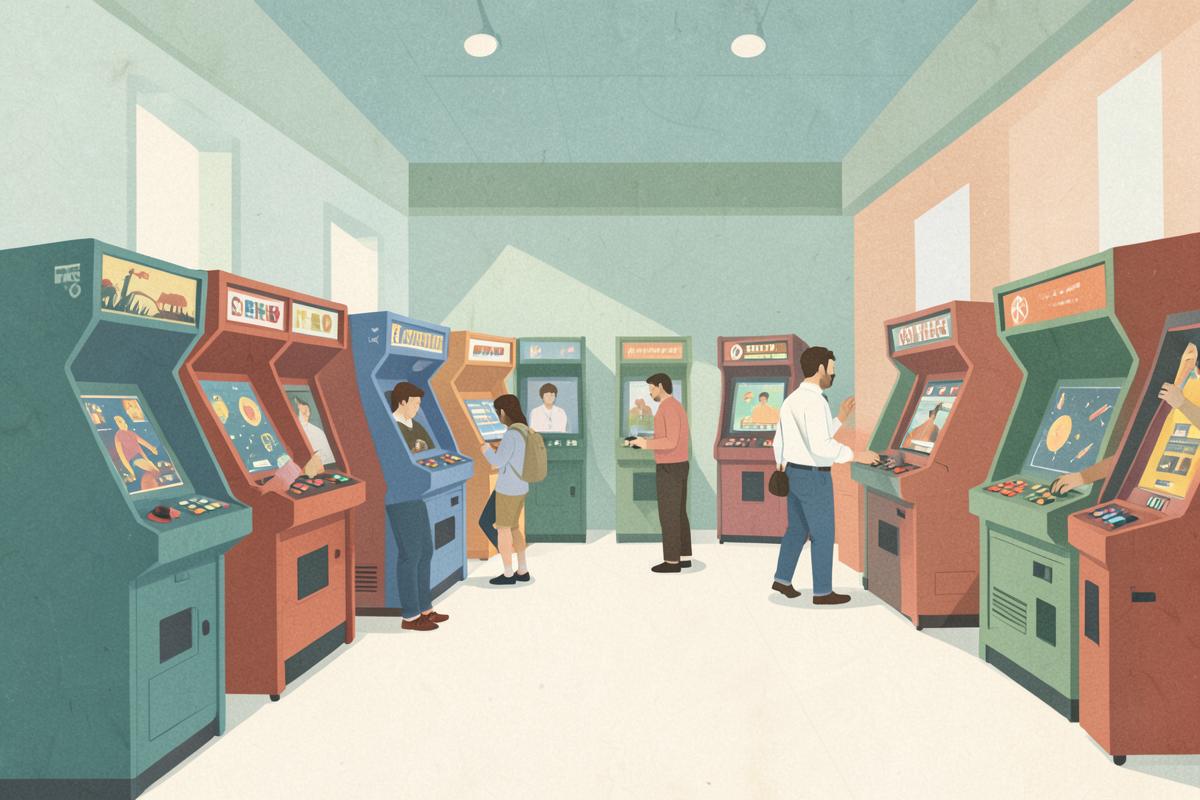
A hands-on museum of playable games, from arcade cabinets to the machines that built the industry.
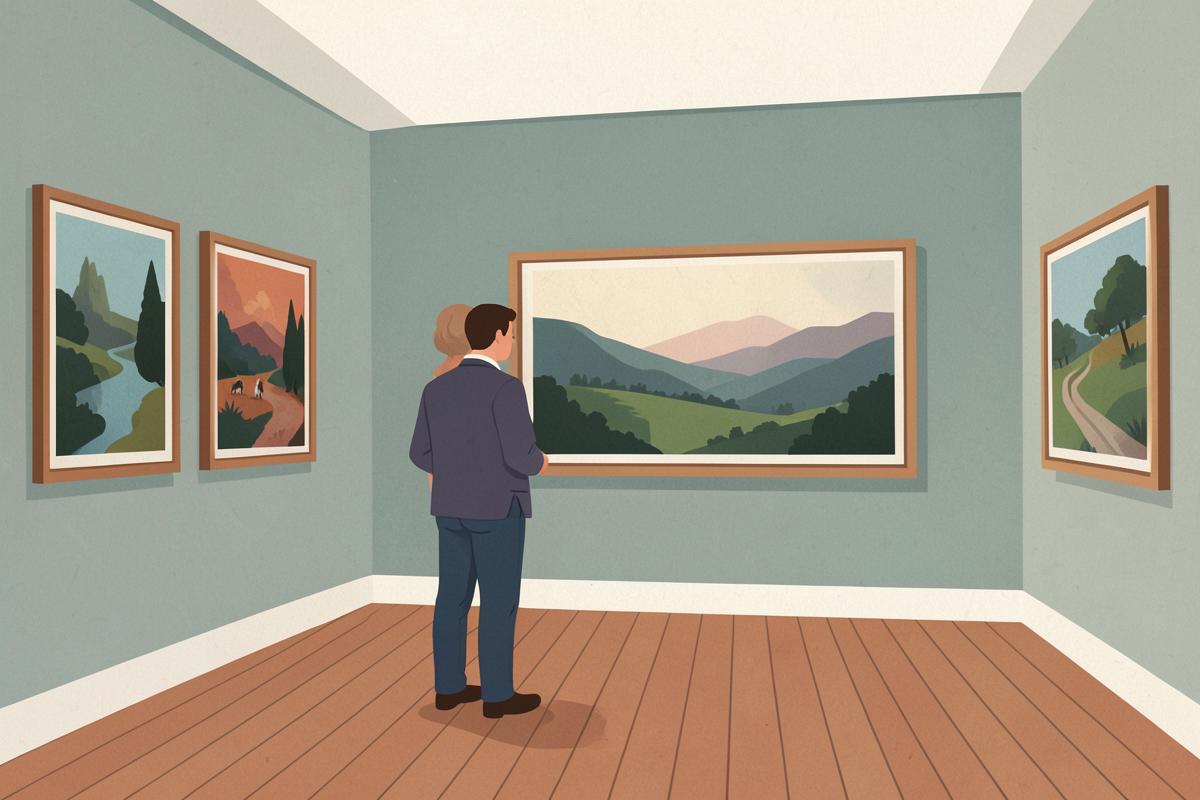
Sheffield's free art gallery on the top floor of the Central Library, strong on British modern art.
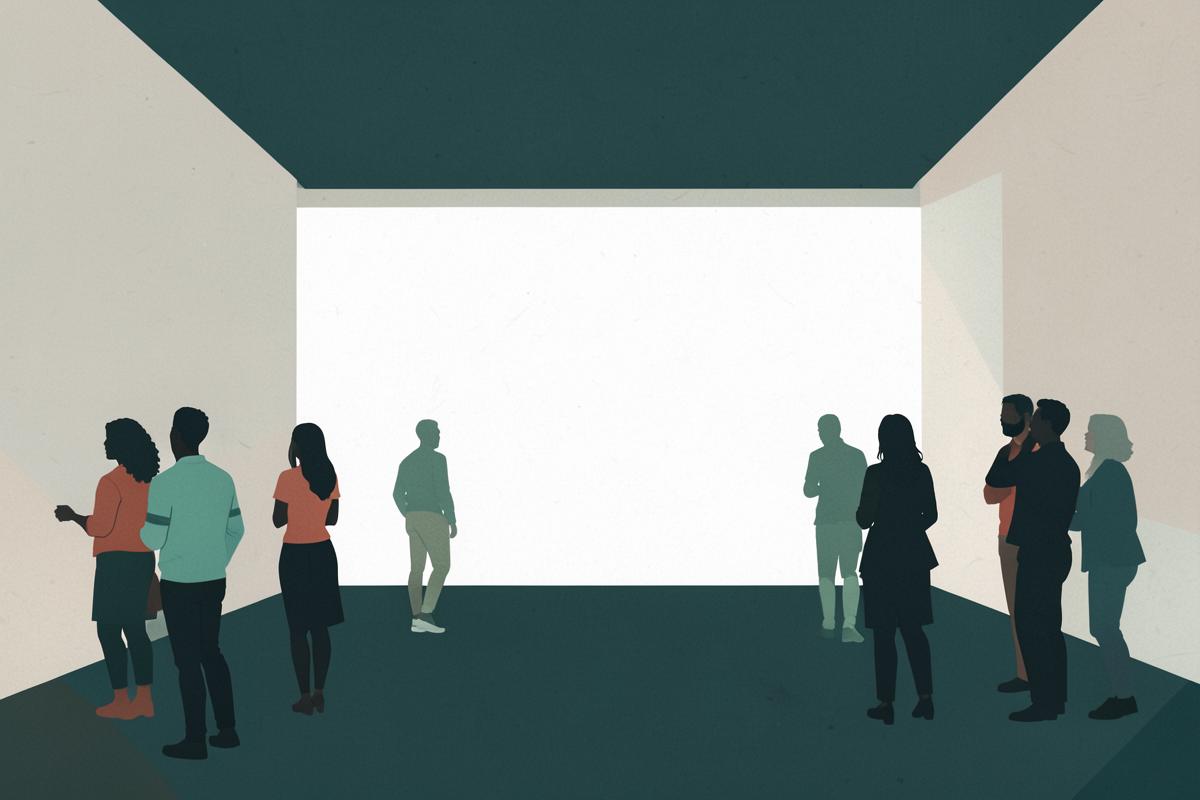
Contemporary art space in the Cultural Industries Quarter, focused on moving image and new media.
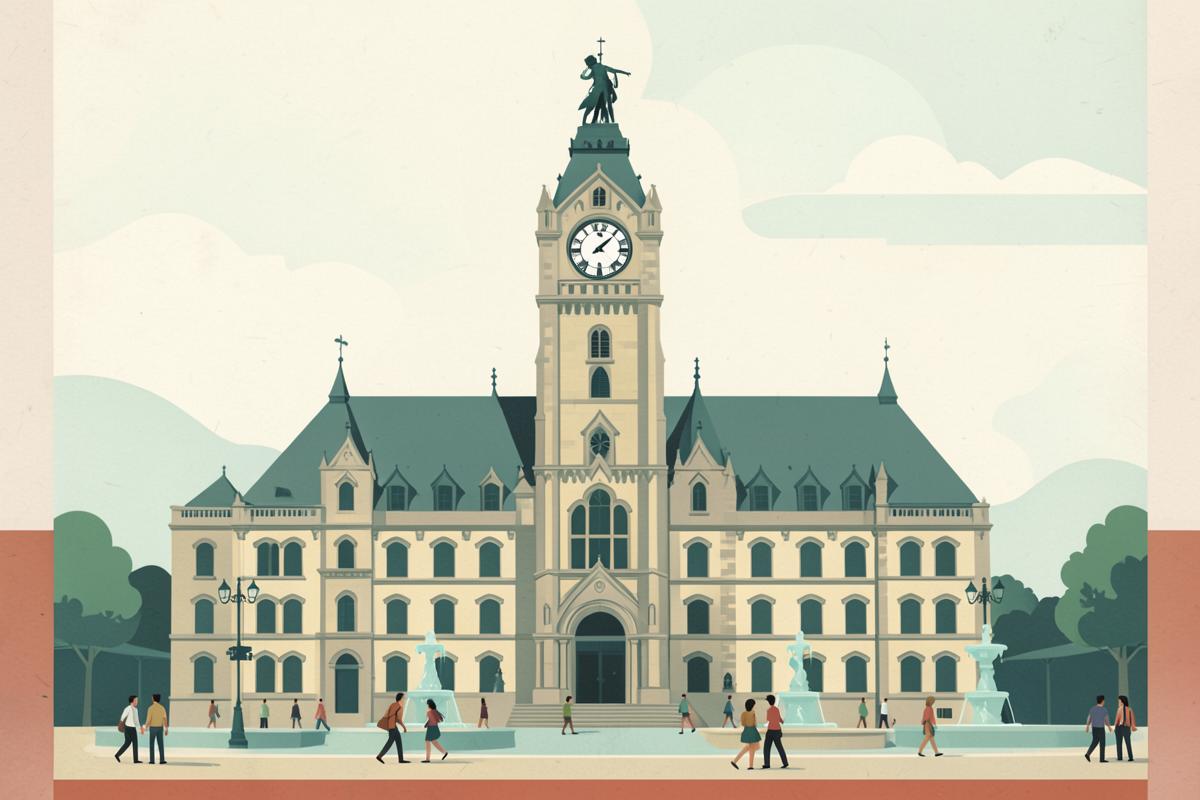
The Victorian Gothic town hall above the Peace Gardens, topped by Vulcan, god of the forge.
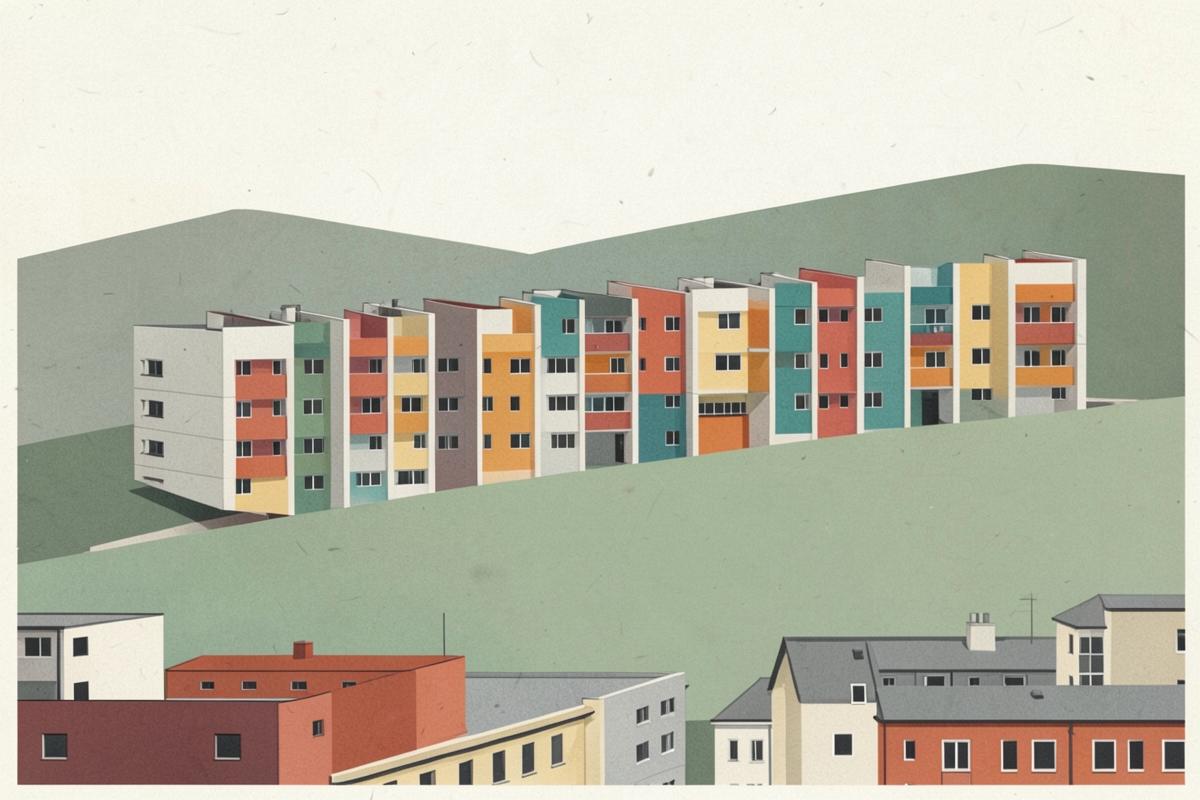
The vast streets-in-the-sky housing estate above the station — Europe's largest listed building.
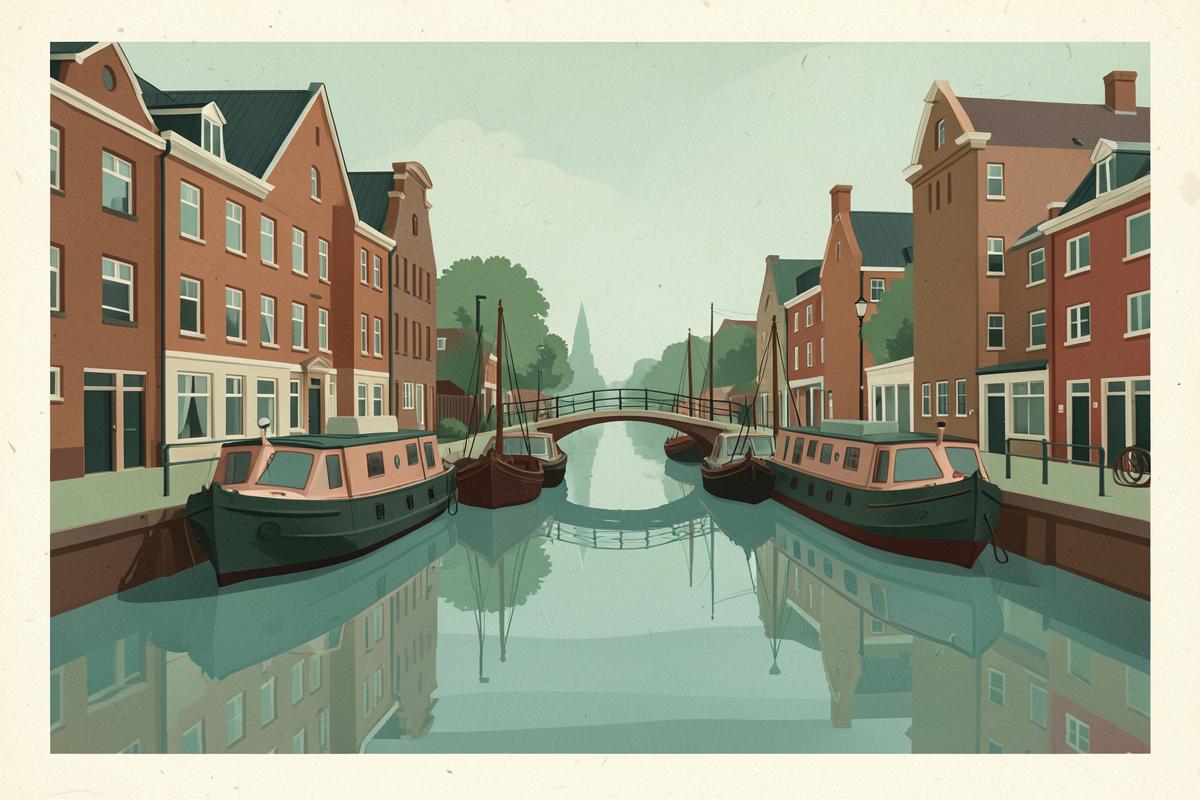
The restored canal basin behind the station, with Victorian warehouses, narrowboats and waterside bars.
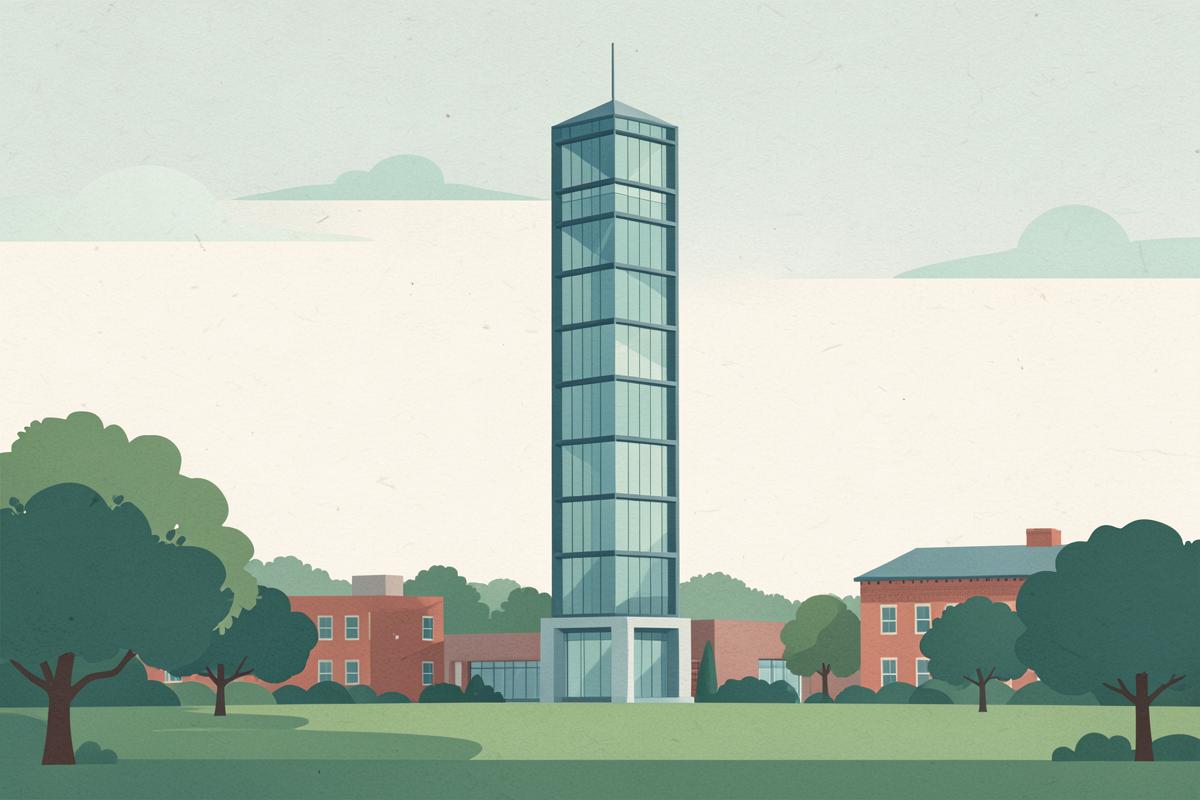
The tallest university building in the UK, with a paternoster lift that never stops moving.
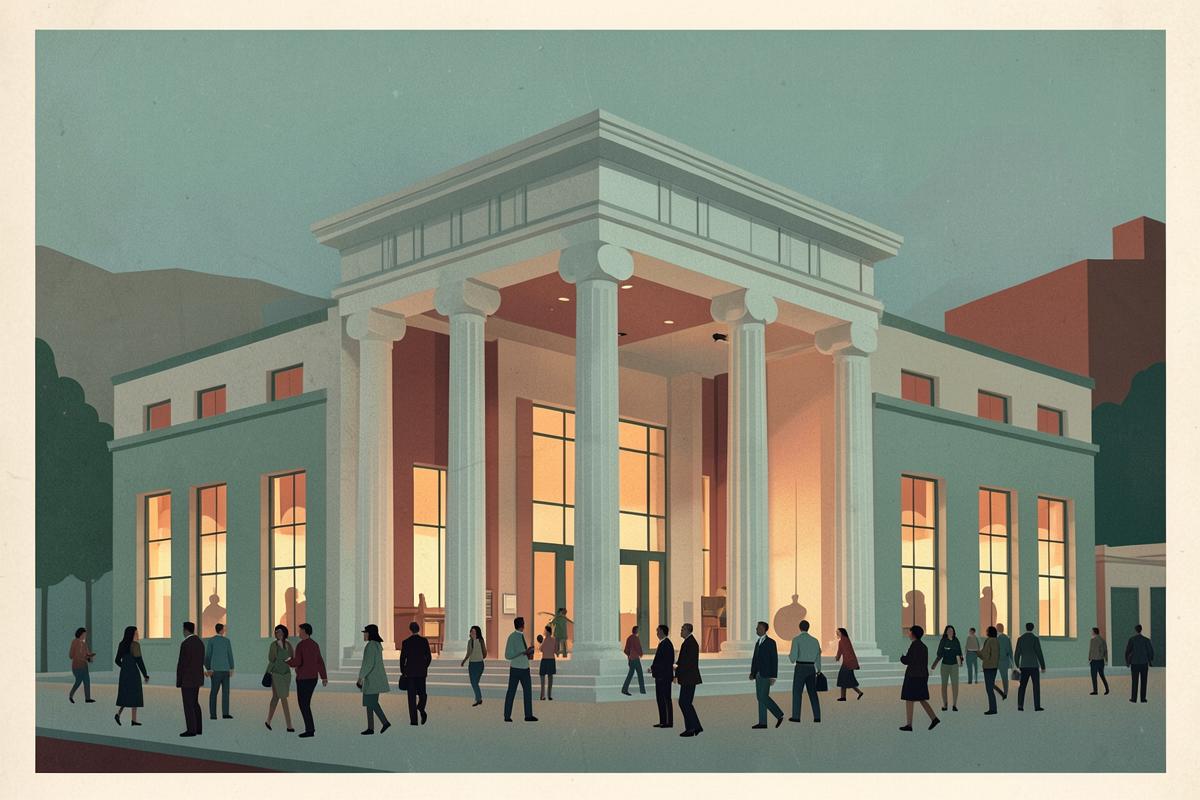
Grand 1930s concert hall behind a Corinthian colonnade, hosting touring music and comedy.
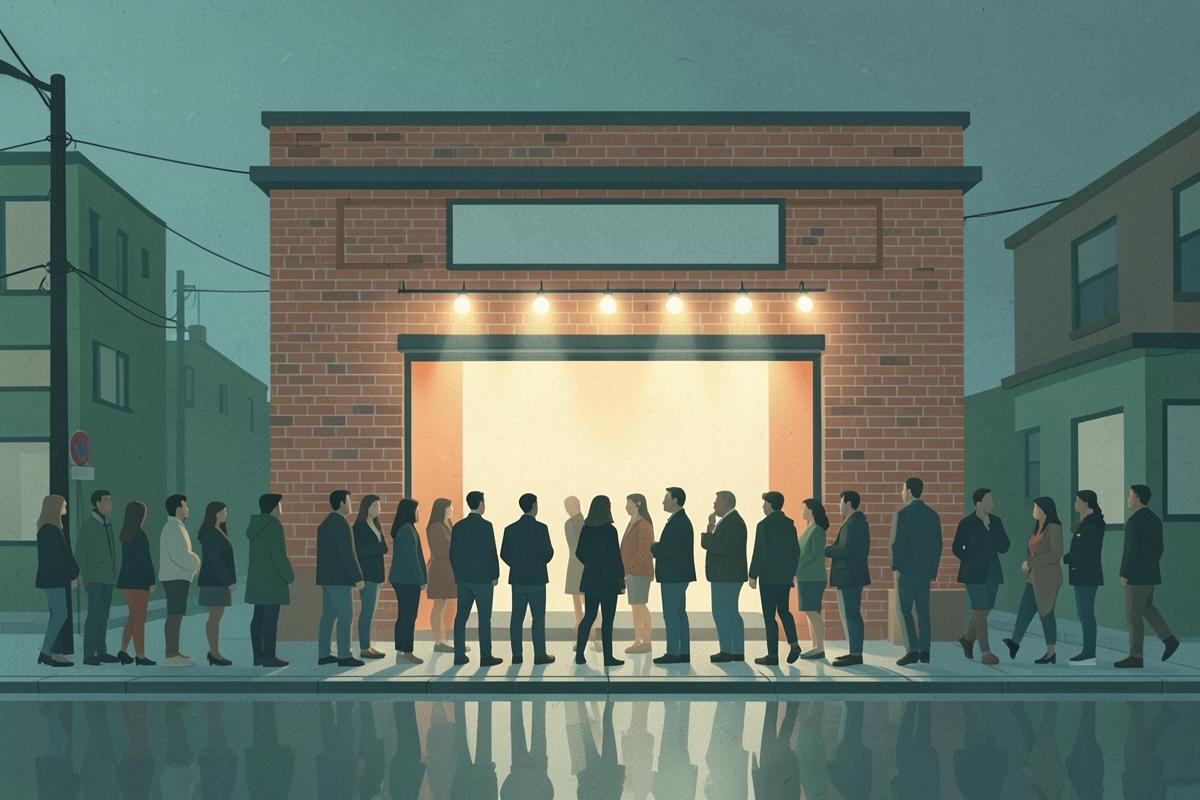
Sheffield's most famous independent music venue, where Pulp and the Arctic Monkeys cut their teeth.
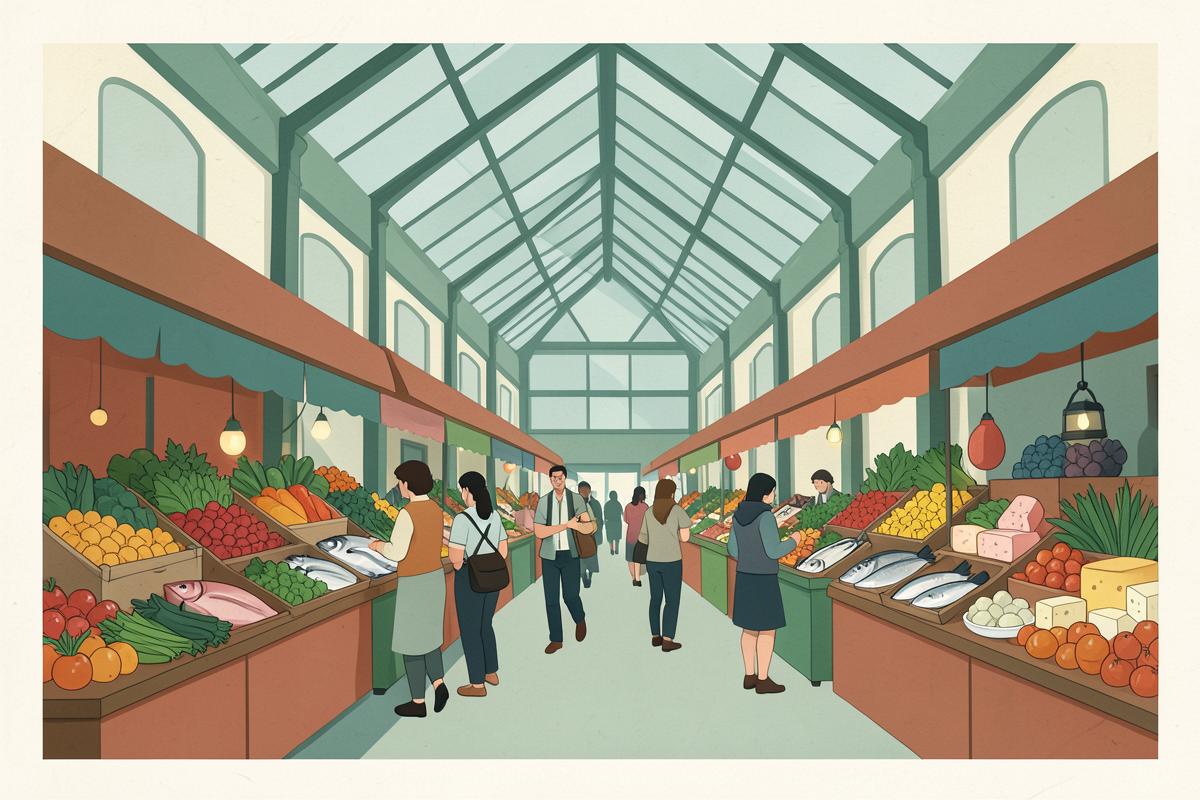
Sheffield's indoor market — fishmongers, butchers, bakers and cheap, excellent lunch counters.
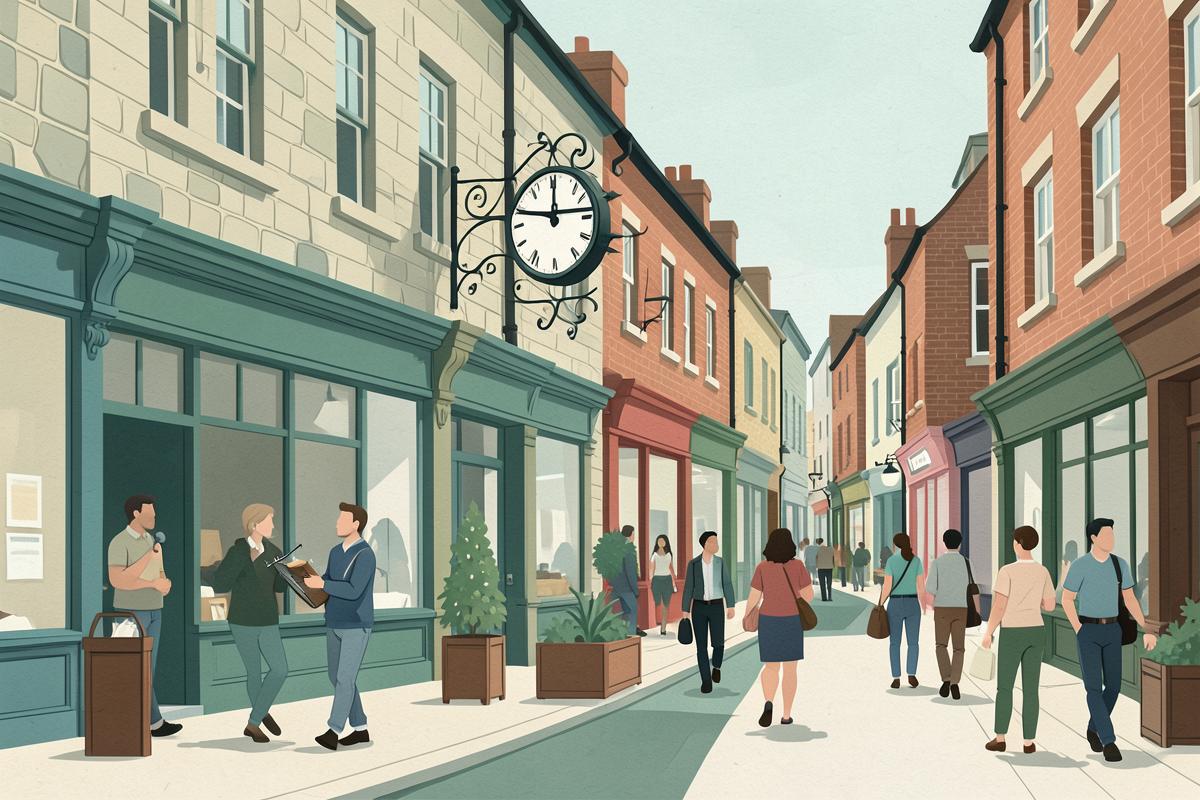
The pedestrianised heart of the city centre, with the famous clock and a run of high street shops.

Sheffield United's ground and the oldest major stadium in the world still hosting professional football.
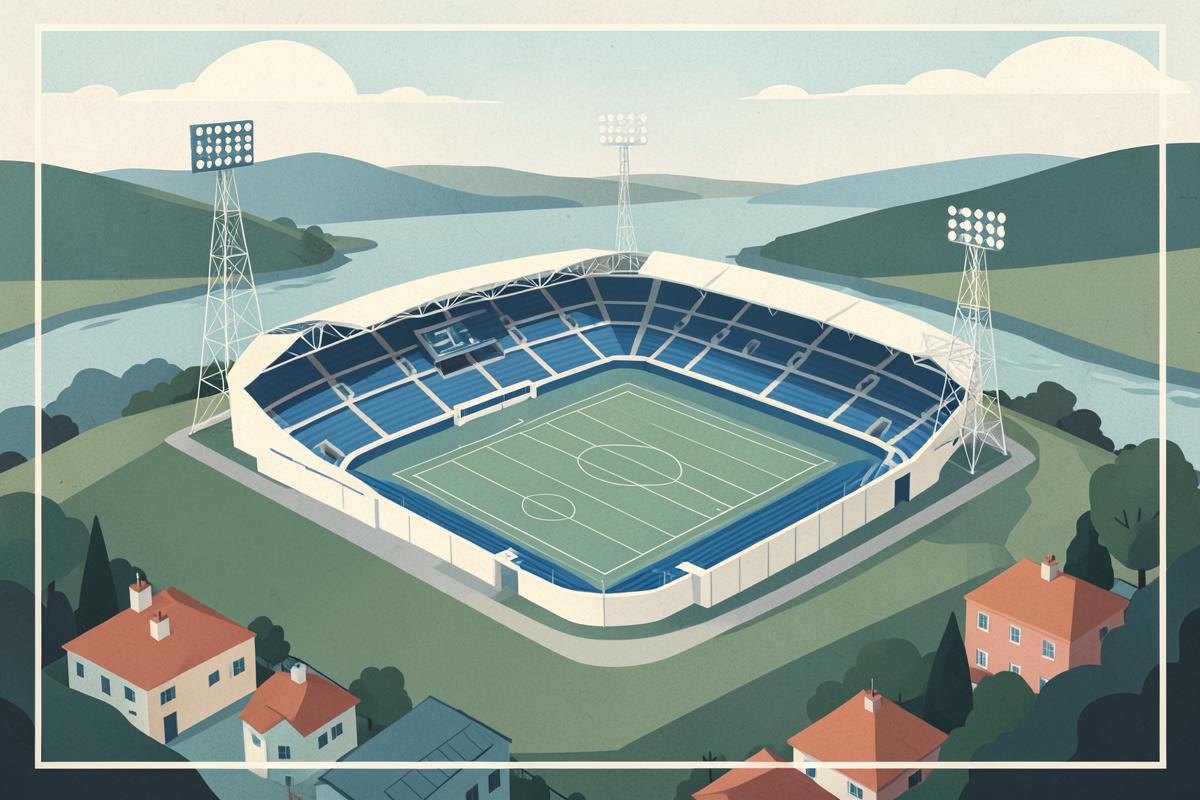
Sheffield Wednesday's home in the Don valley, one of English football's great old grounds.
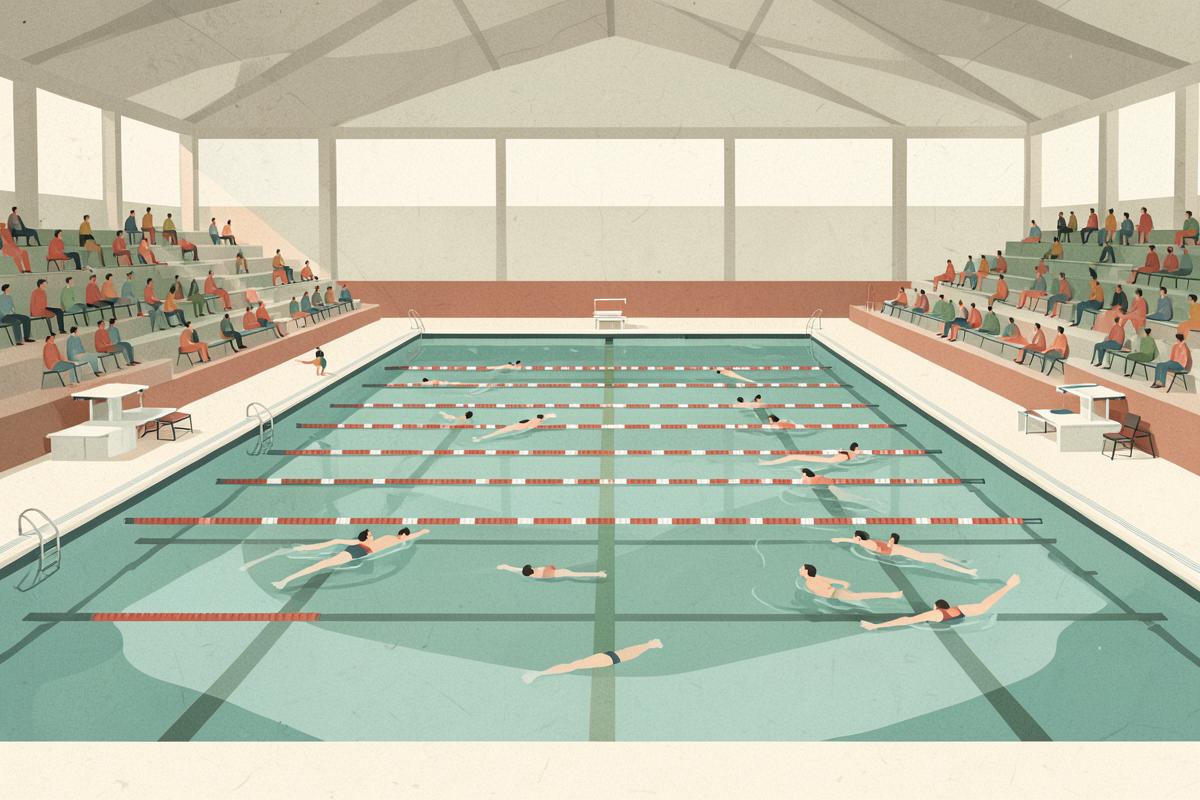
An Olympic-standard 50-metre pool and diving complex in the city centre, open to the public.
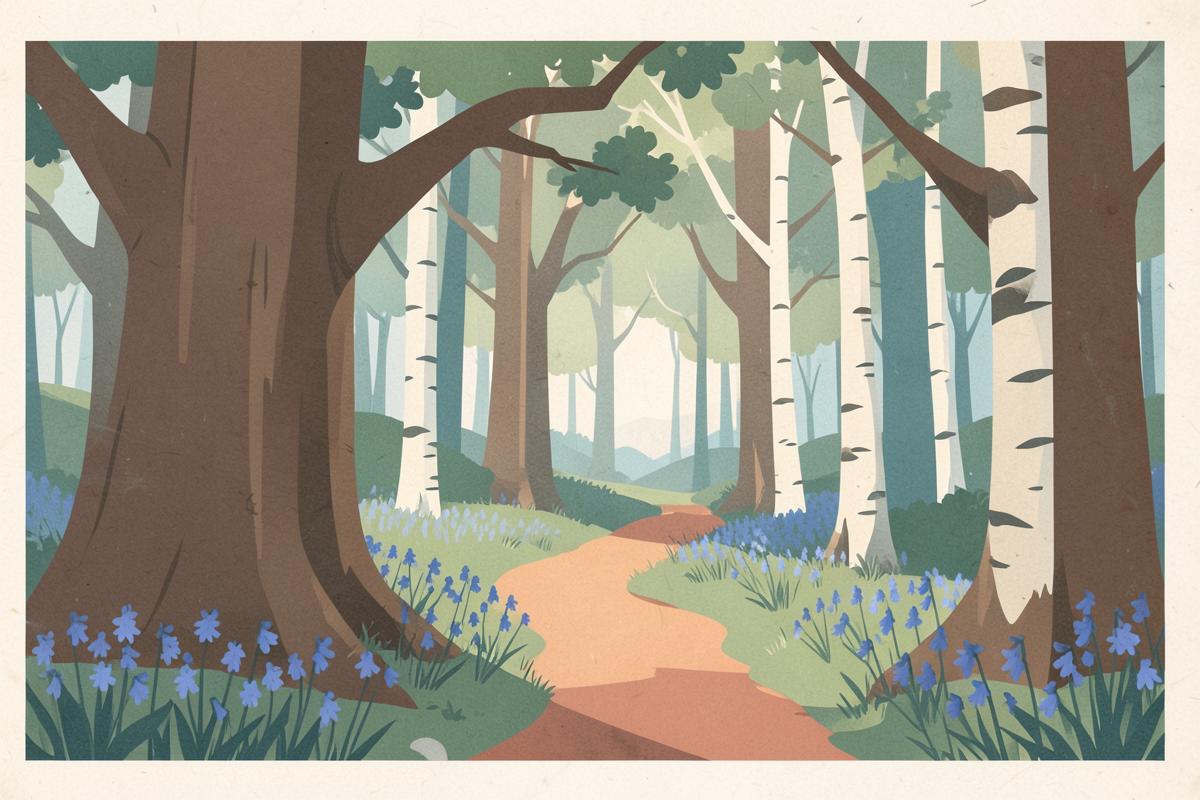
Sheffield's largest ancient woodland, 350 acres of oak and birch with waymarked trails.
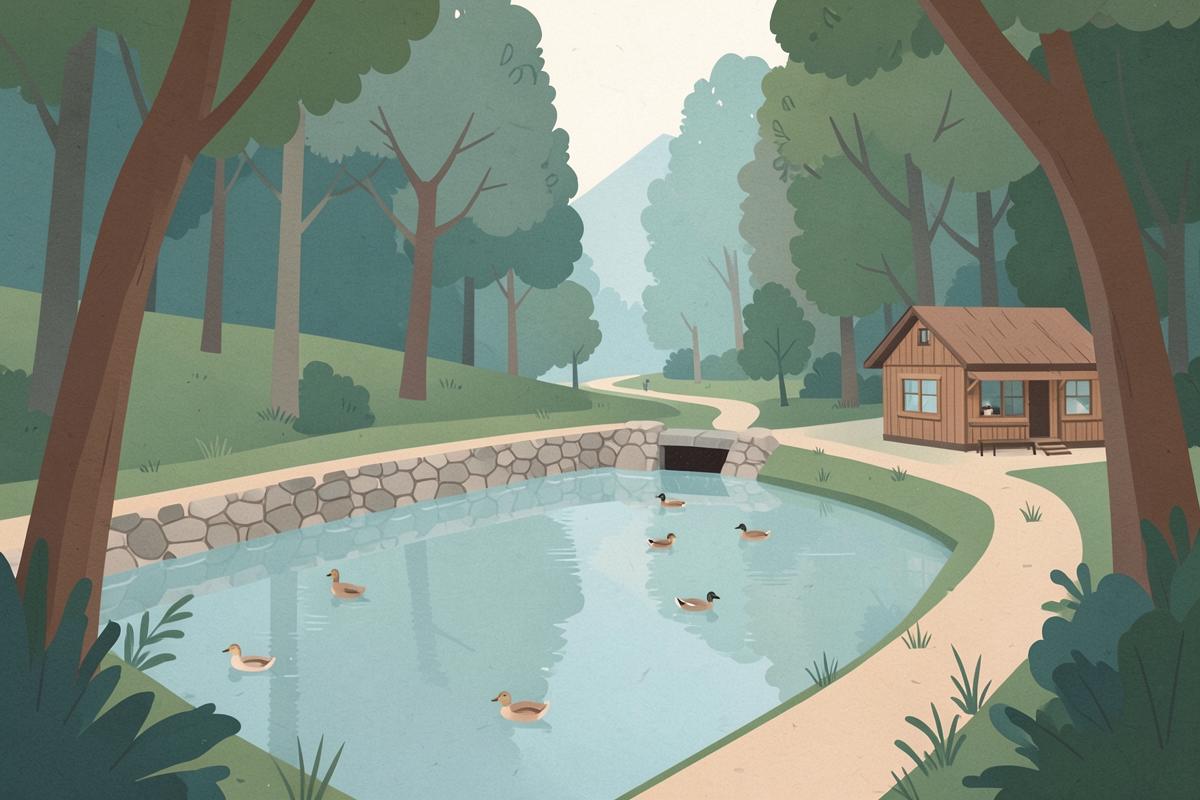
A green corridor of old mill dams and woodland running from the suburbs to the moor edge.
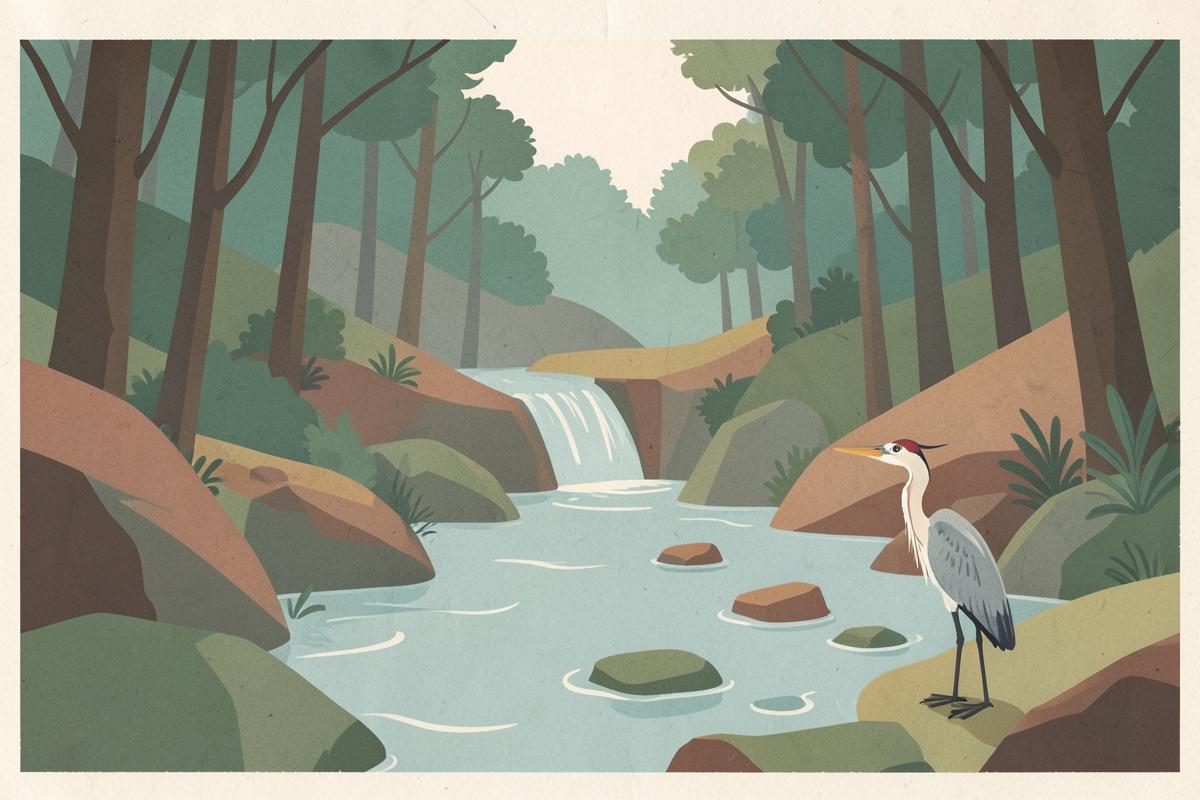
A wooded river valley of waterfalls and old mill ponds on the western edge of the city.
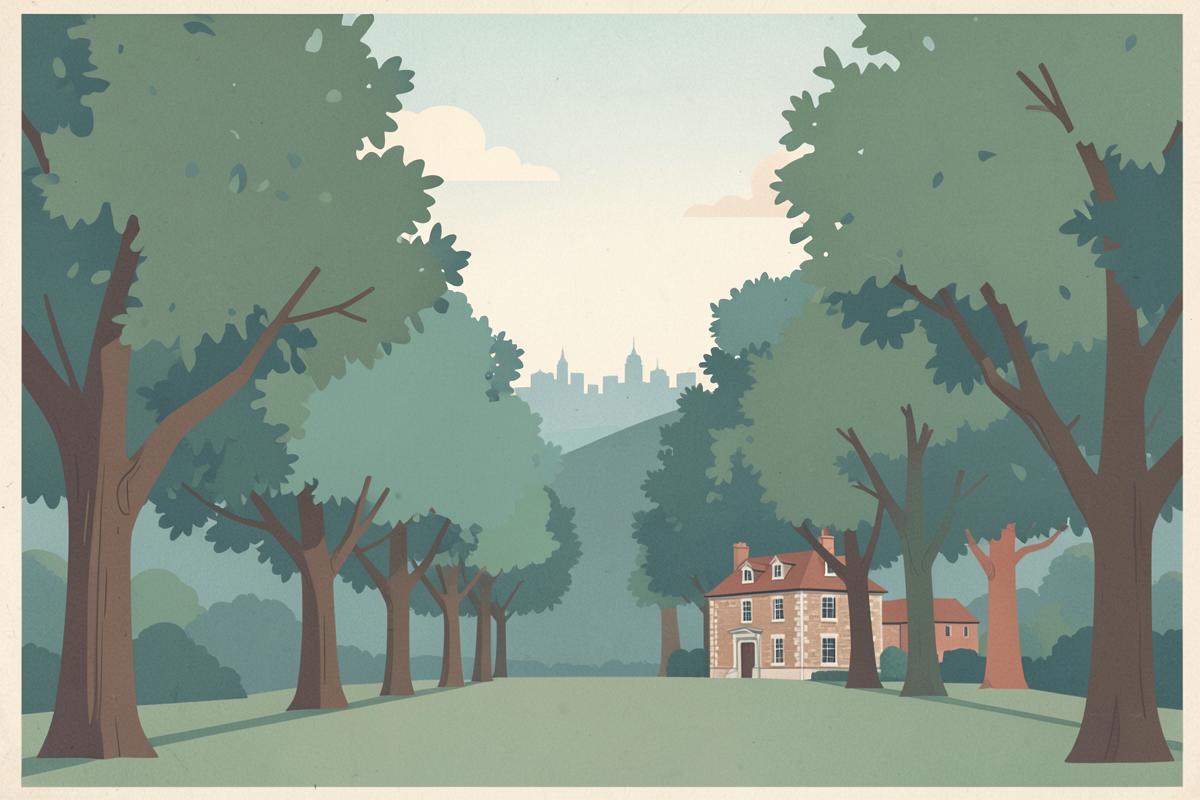
One of Britain's first public parks, with sweeping Victorian avenues and a grand view of the city.
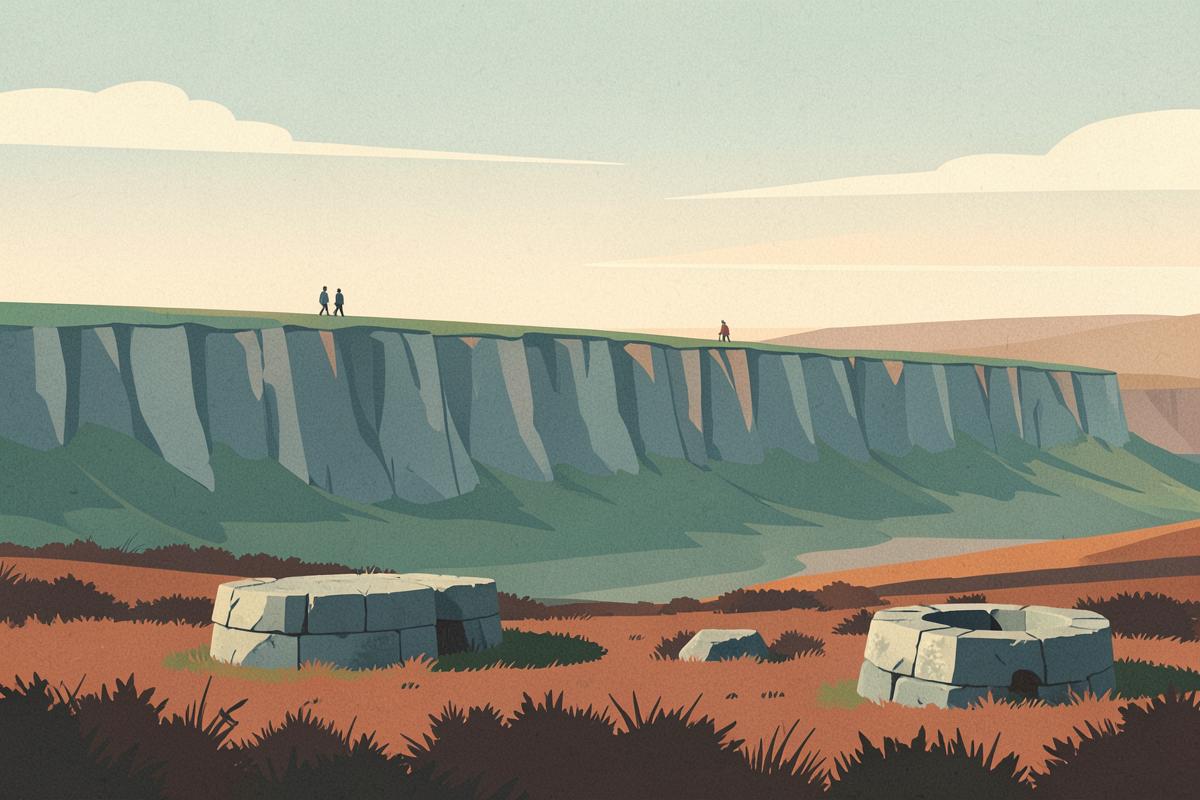
The four-mile gritstone escarpment on Sheffield's doorstep — the spiritual home of British climbing.
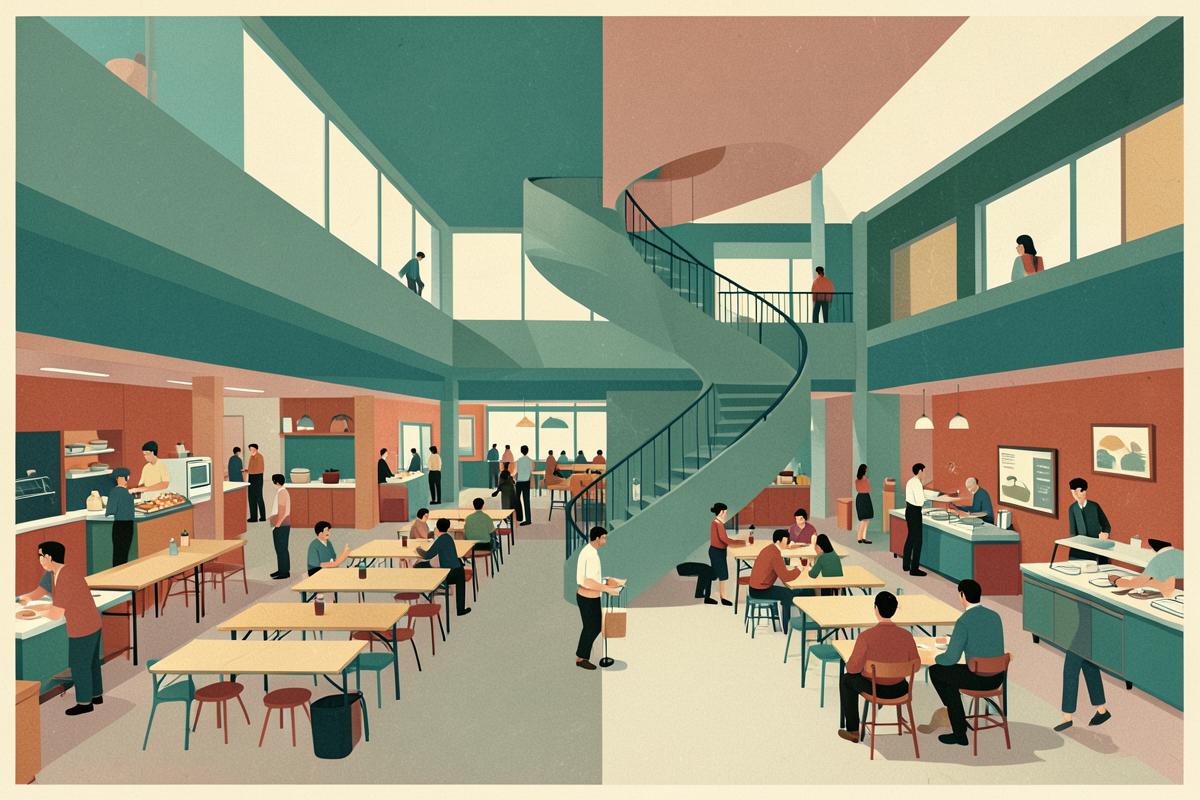
A food hall in the old Castle House co-op building, with a dozen independent kitchens under one roof.
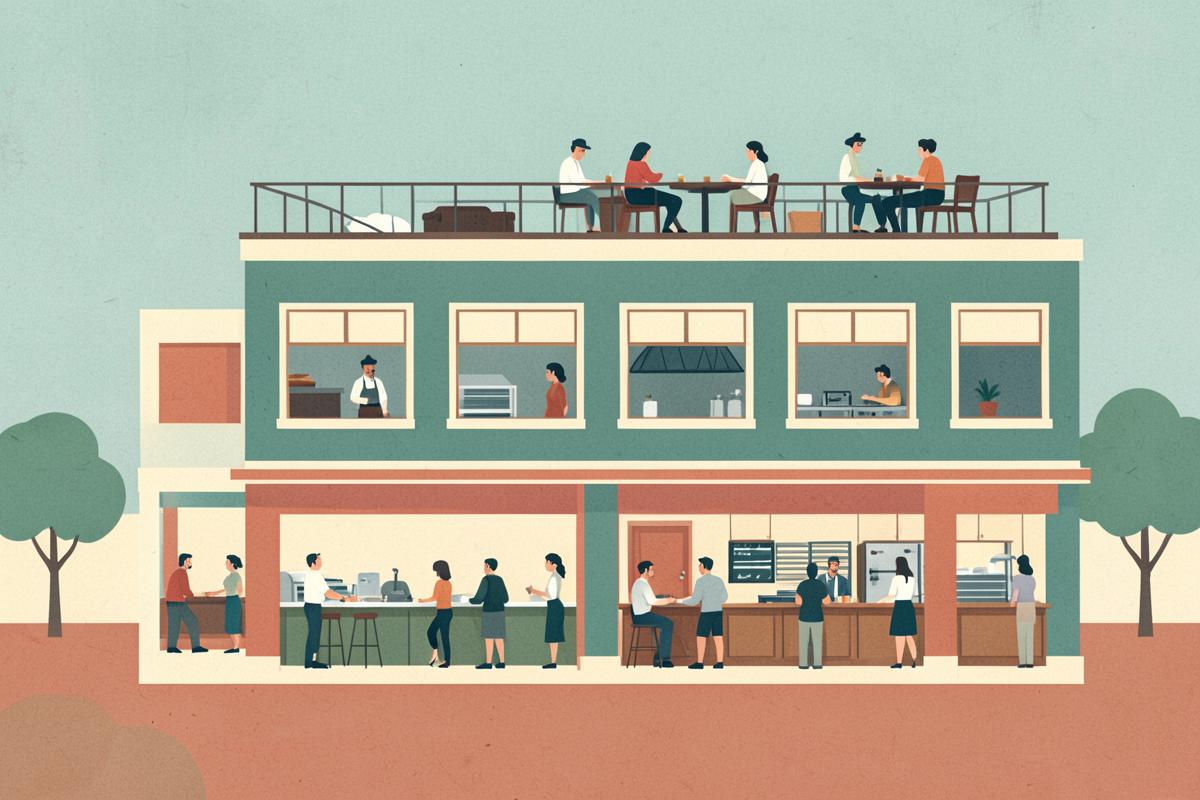
Europe's largest food hall, with kitchens, a cookery school and a rooftop bar.
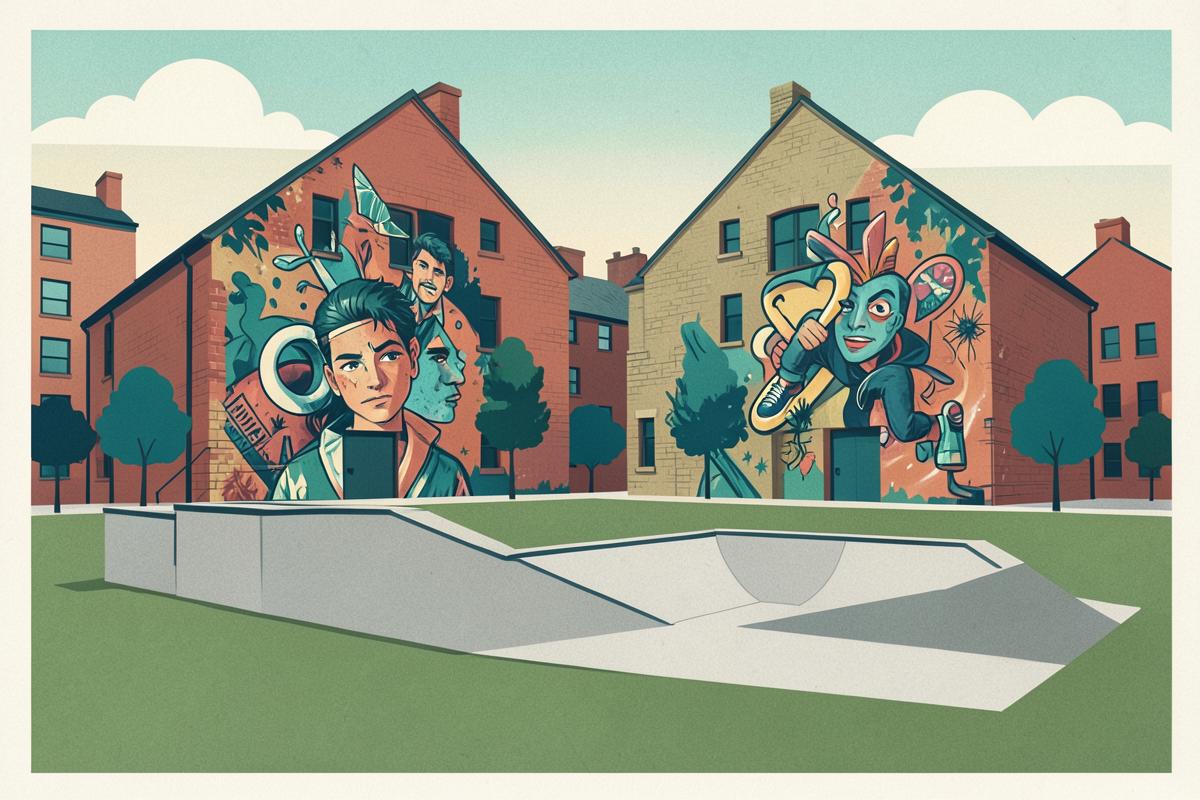
The city centre's green lawn and skate park, ringed by independent shops and street art.
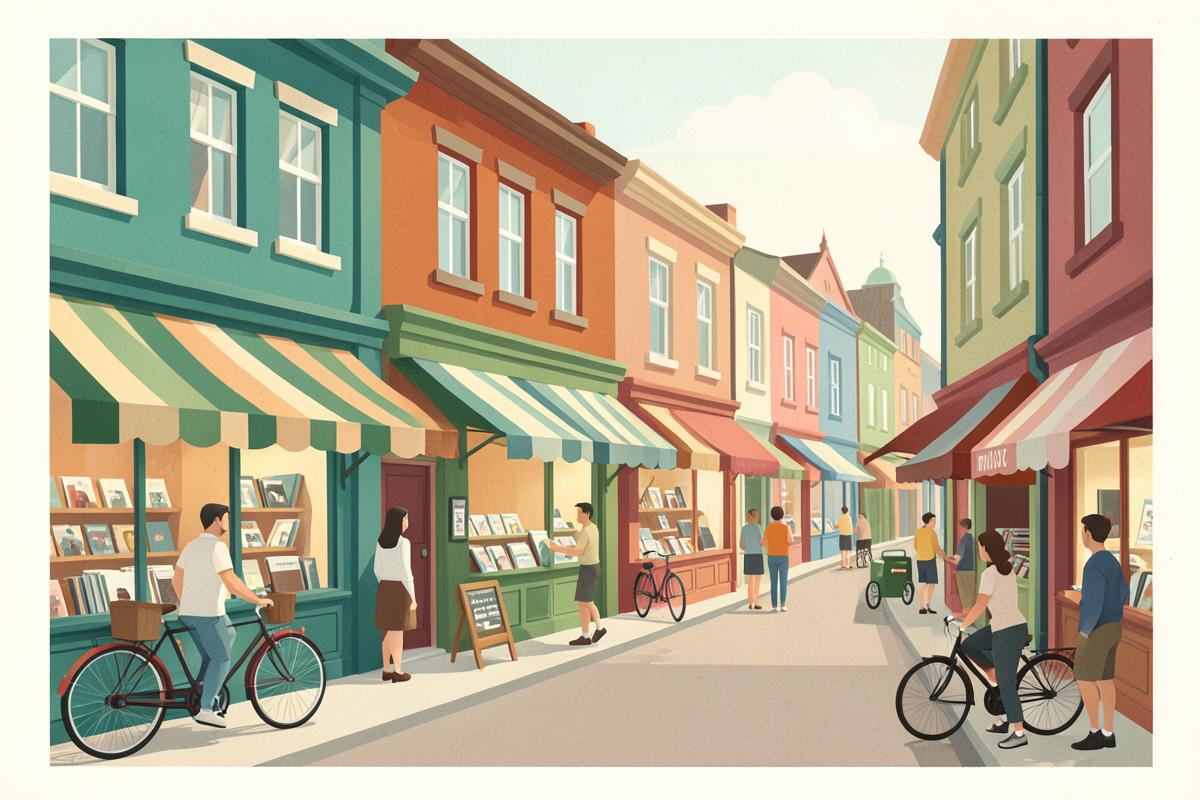
Sheffield's independent shopping street — records, vintage, coffee and small bars.

The civic square in front of the City Hall, with Sheffield's striking flagpole war memorial.
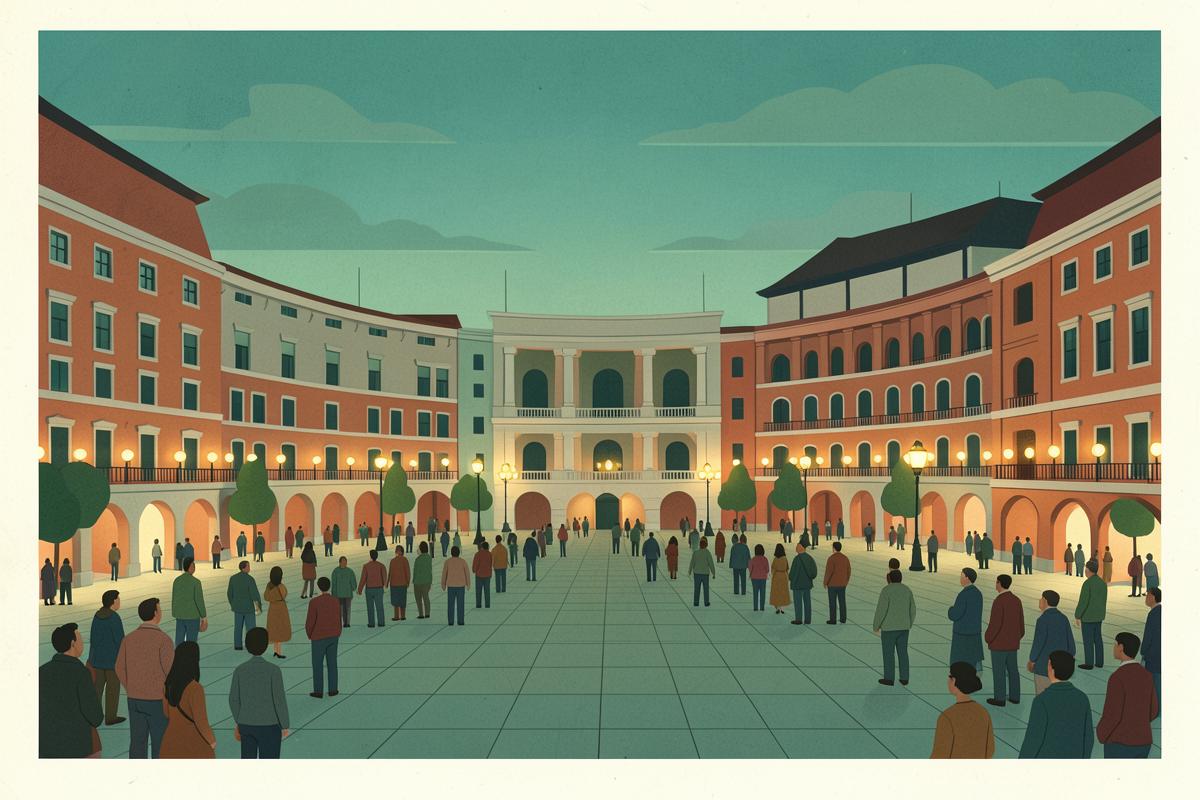
The paved theatre square linking the Crucible, the Lyceum, the Winter Garden and the library.
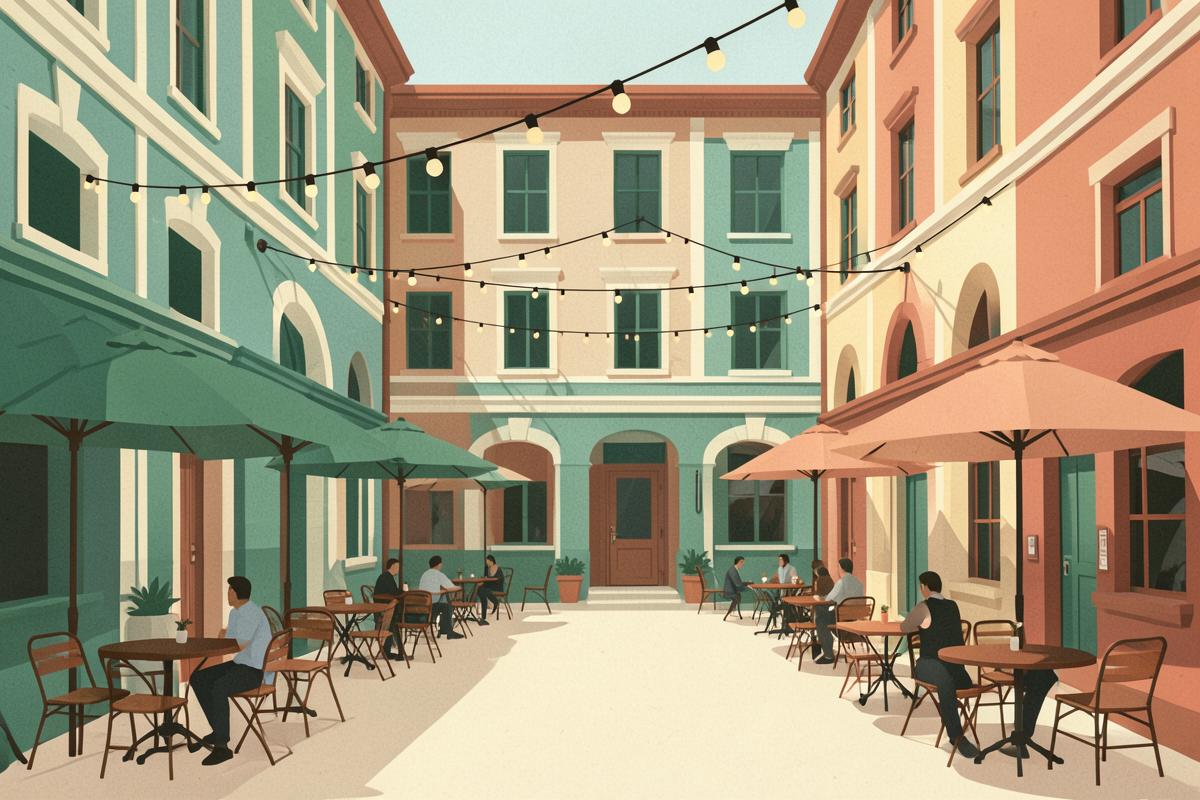
A courtyard of restaurants and bars in a converted Victorian grammar school.
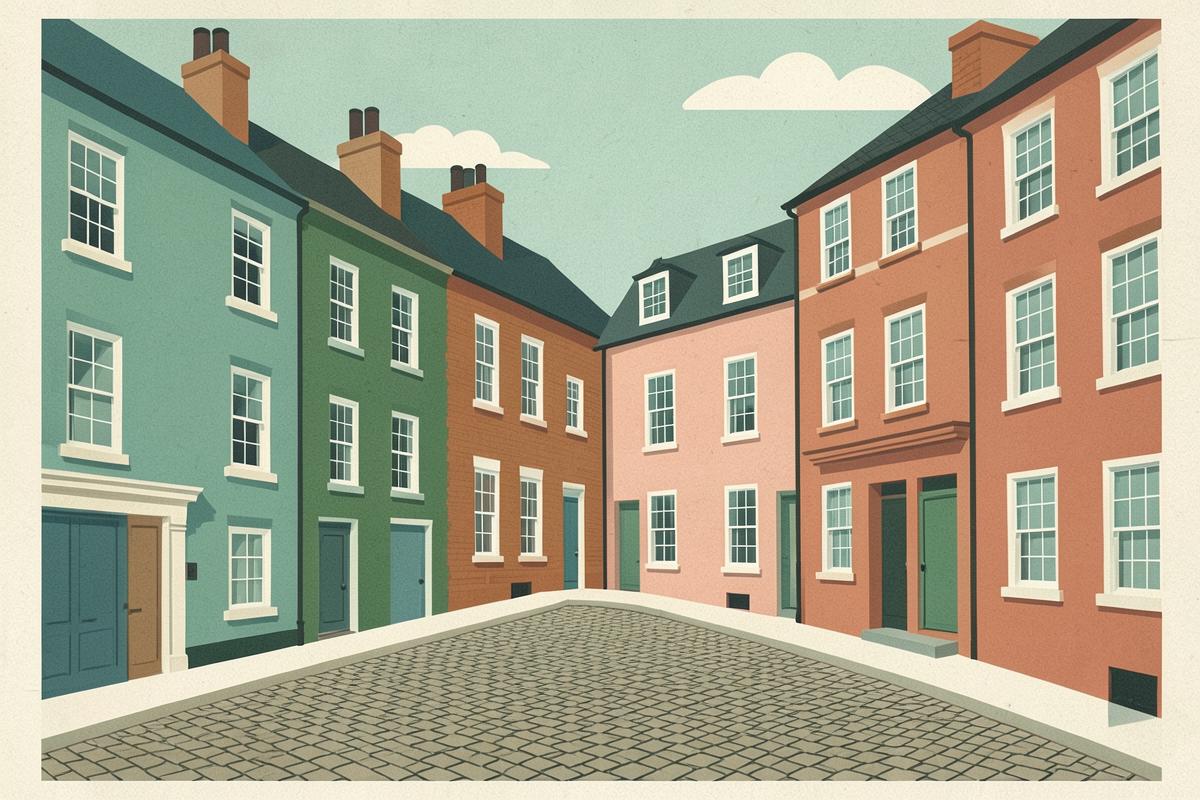
A cobbled Georgian square beside the cathedral where John Wesley preached to thousands.
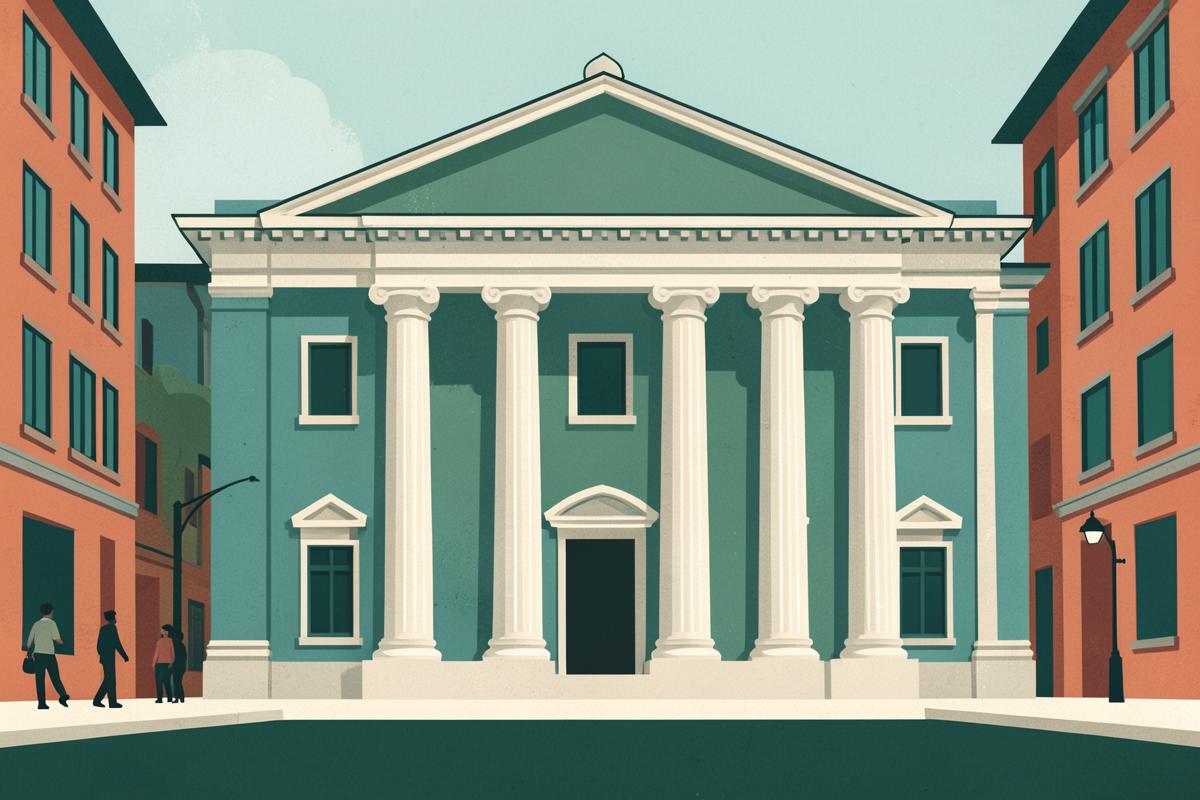
The grand home of the Company of Cutlers, opposite the cathedral, full of silver and history.
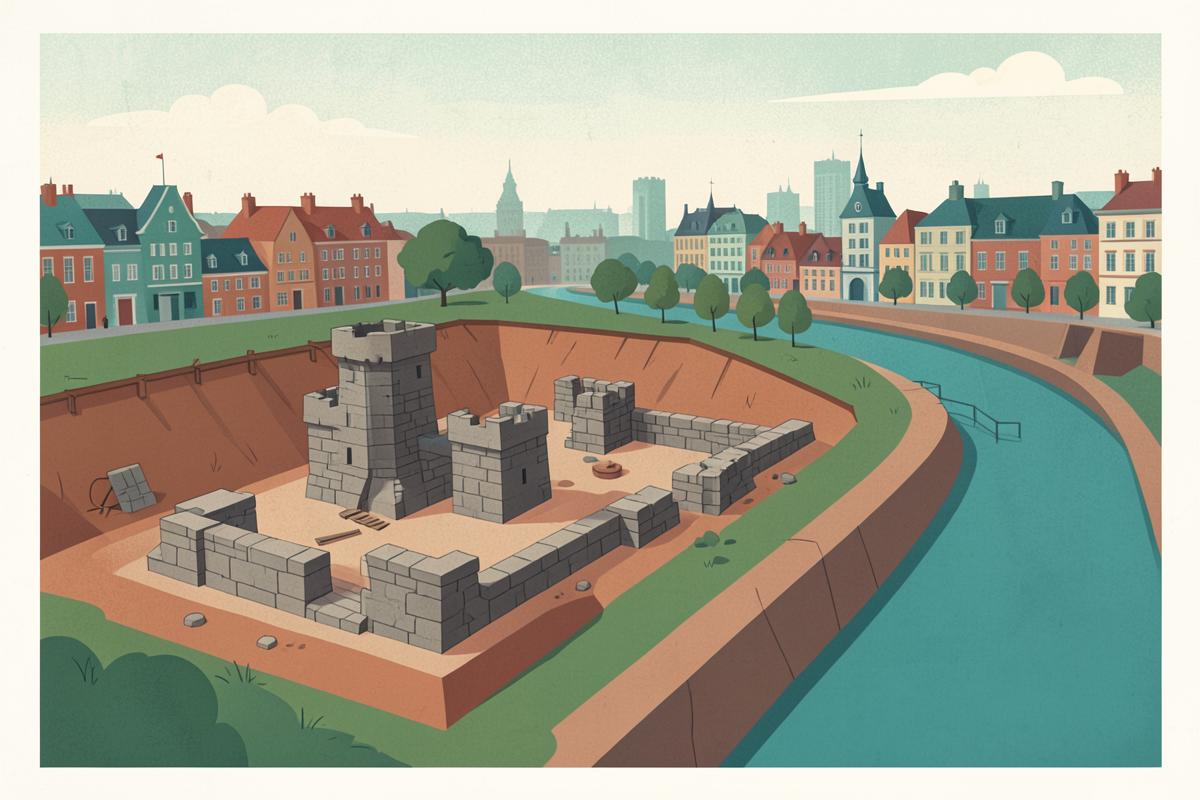
The site of Sheffield Castle, where Mary, Queen of Scots was held, now being opened up again.
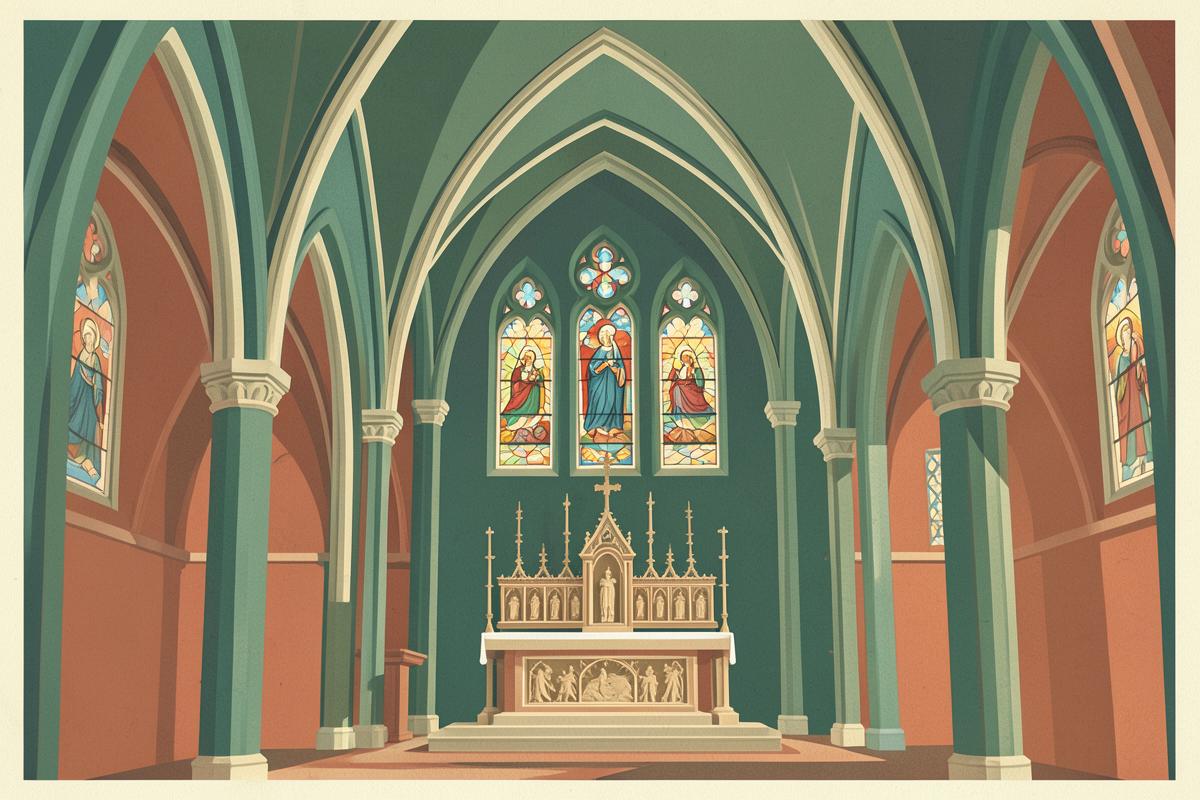
A jewel-box Victorian Gothic revival cathedral tucked just off Fargate.
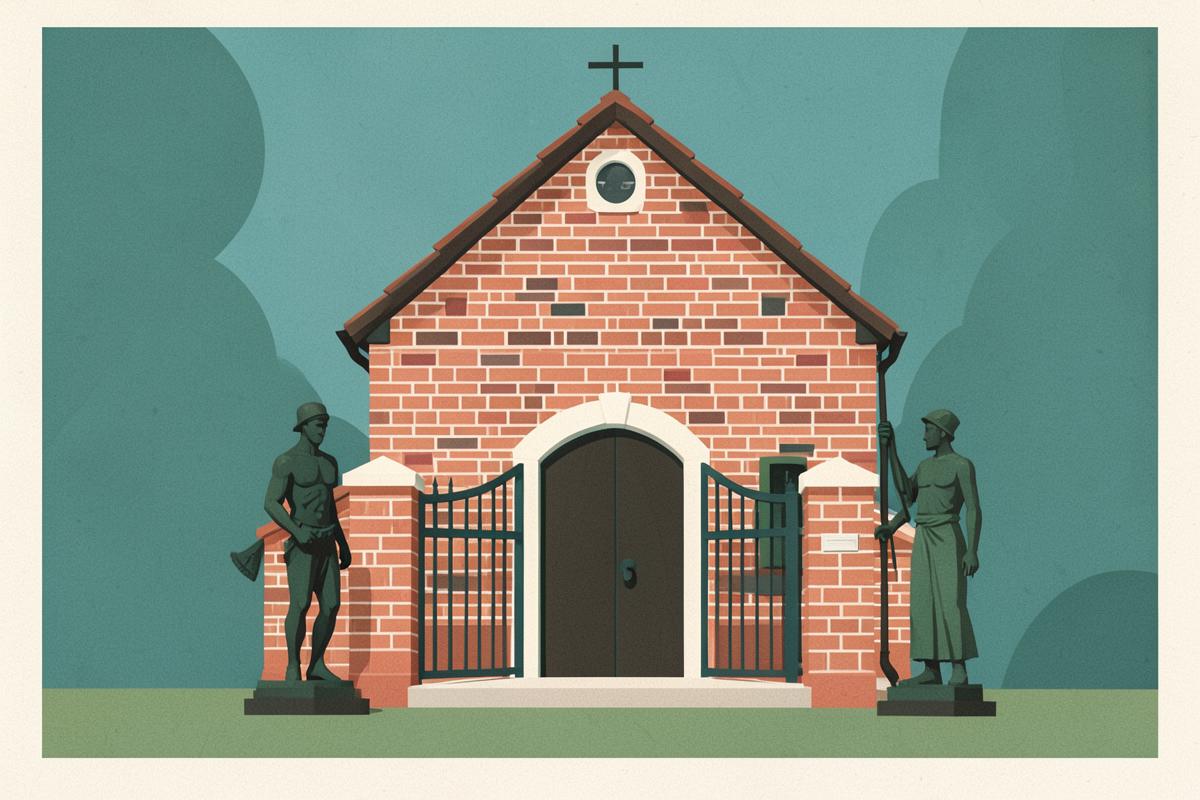
Sheffield's oldest nonconformist chapel, with a courtyard of sculpture by George Fullard.
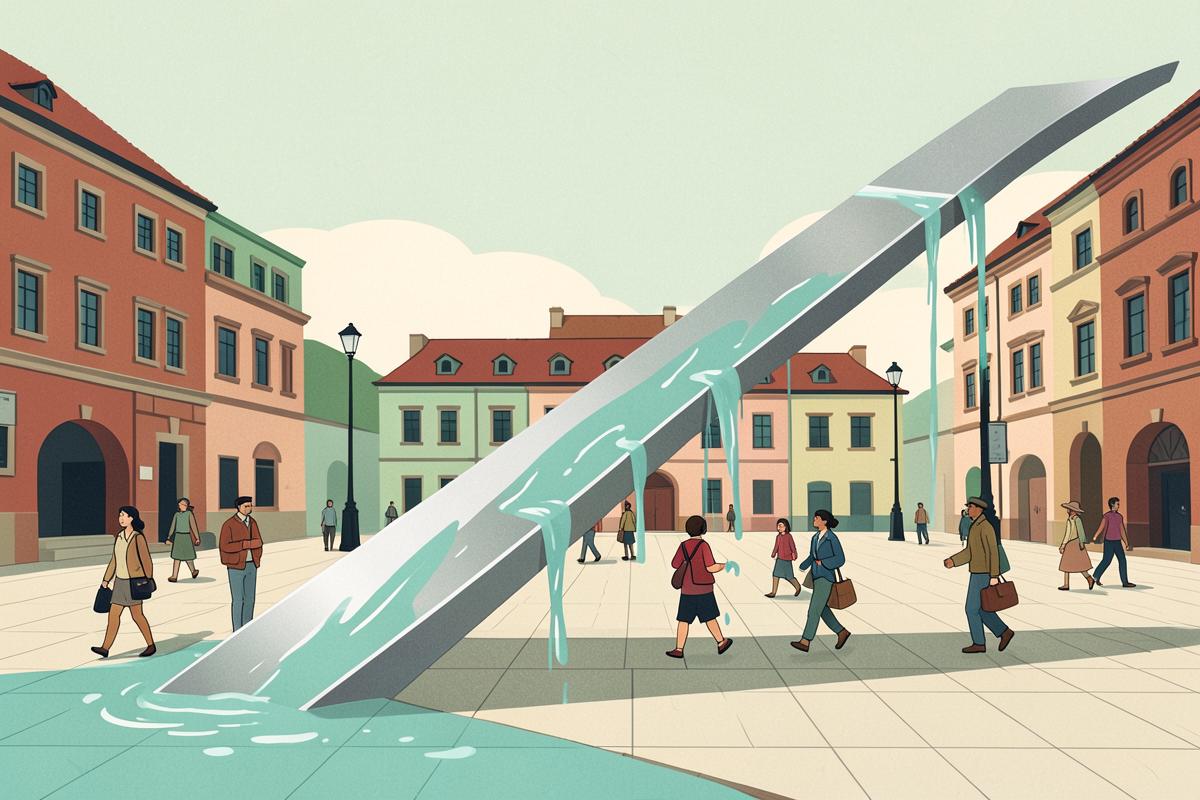
The station forecourt fountain — a ninety-metre blade of polished steel and falling water.
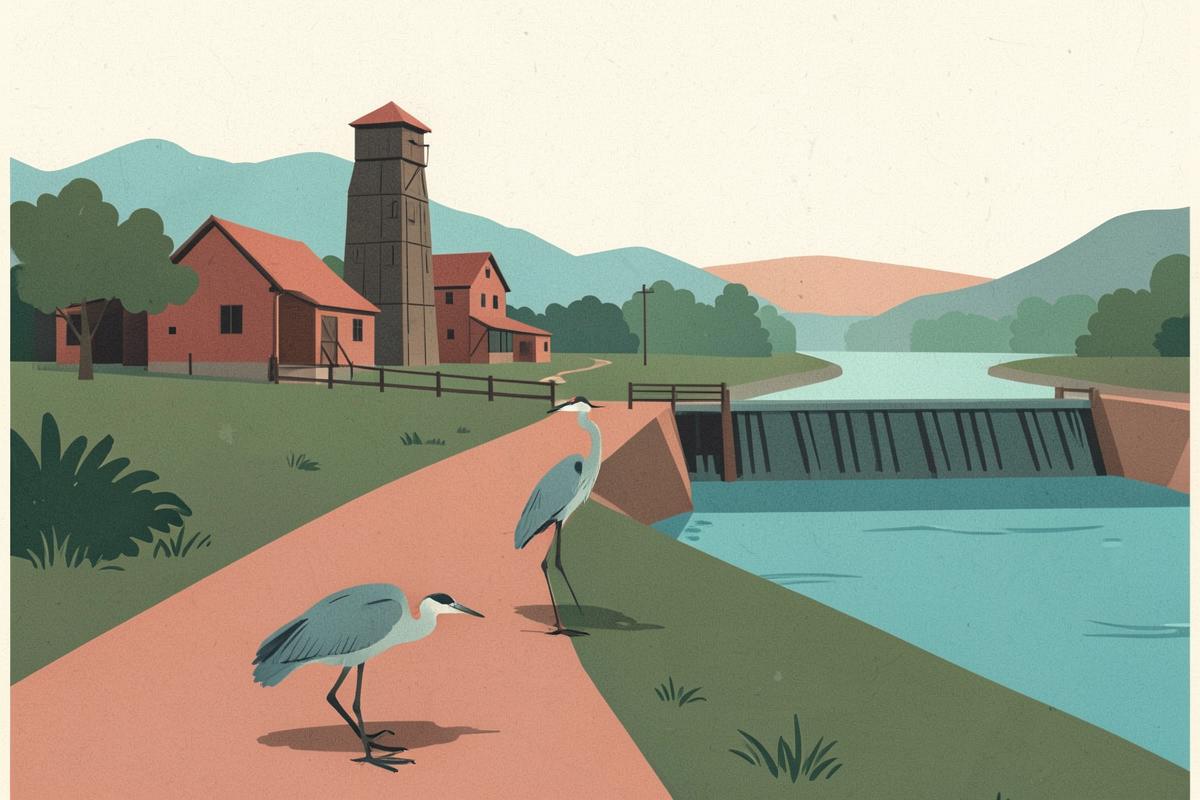
A riverside path along the Don, past the weirs and mills that powered the steel city.
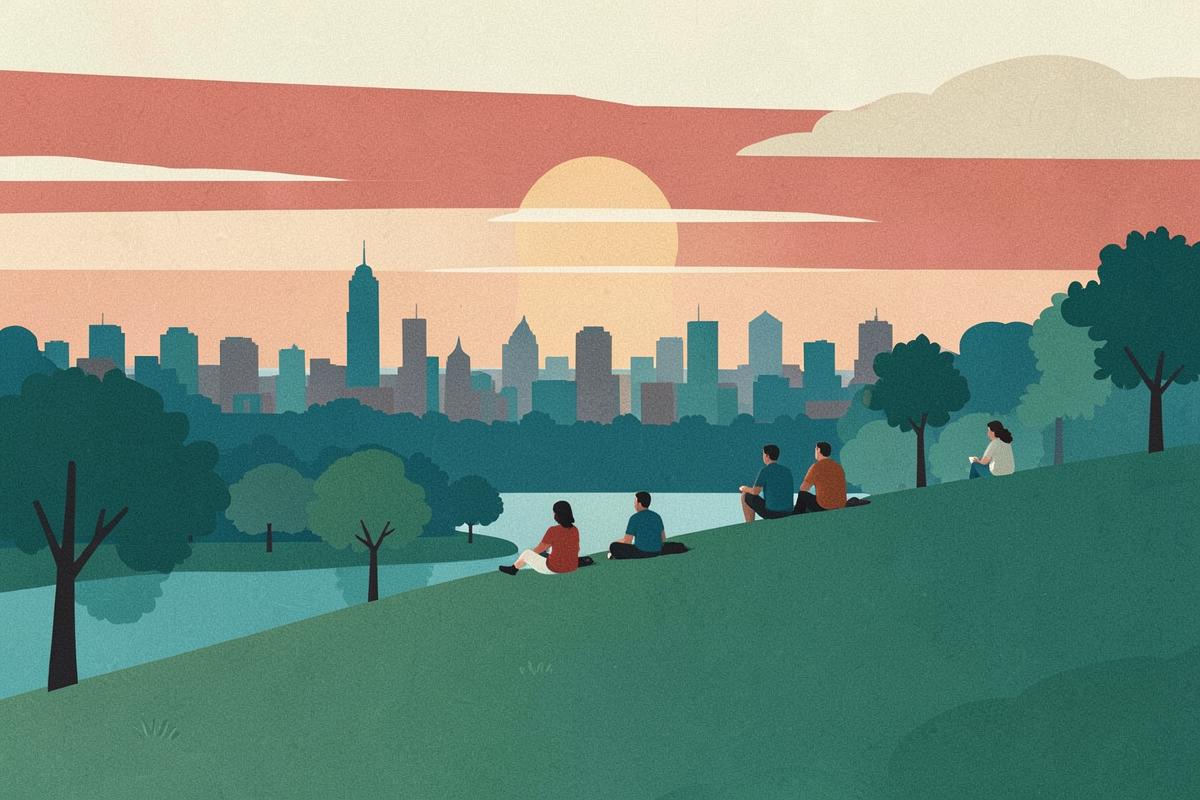
A grassy hillside park just above the centre with one of the best skyline views in Sheffield.
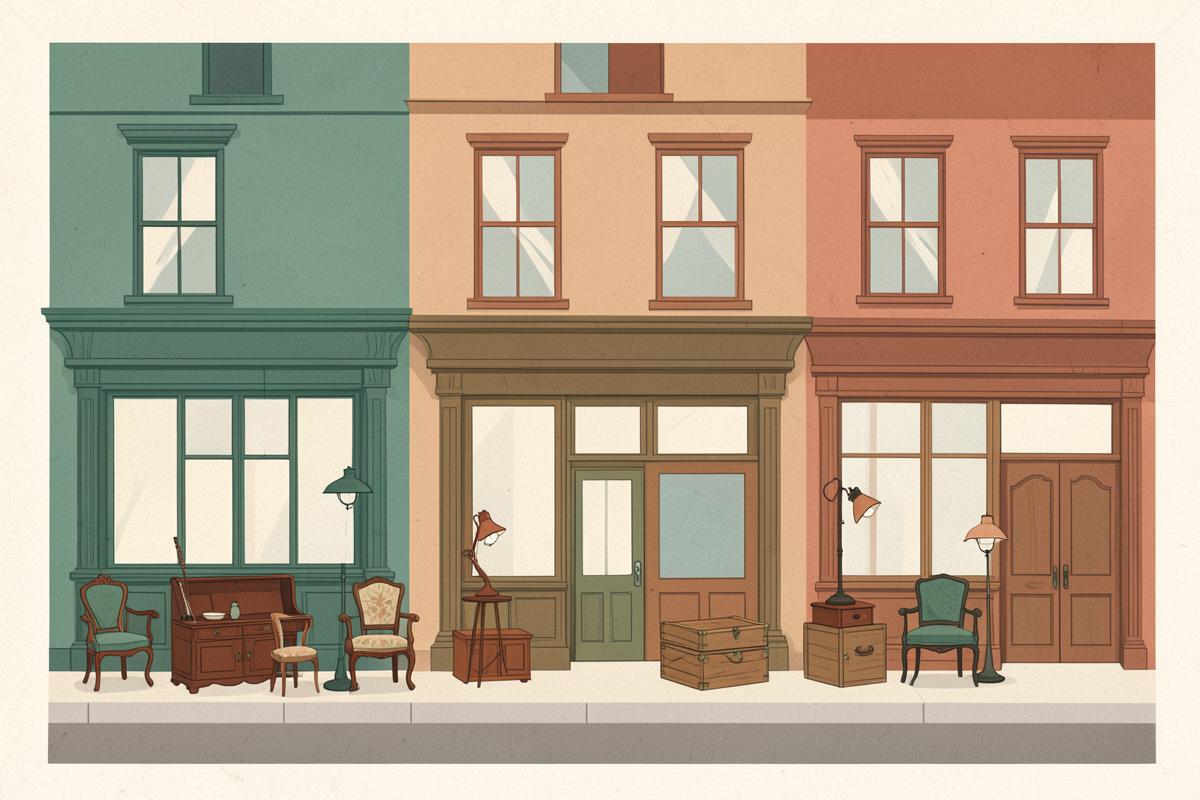
Around twenty antique, vintage and retro dealers strung along Abbeydale Road.
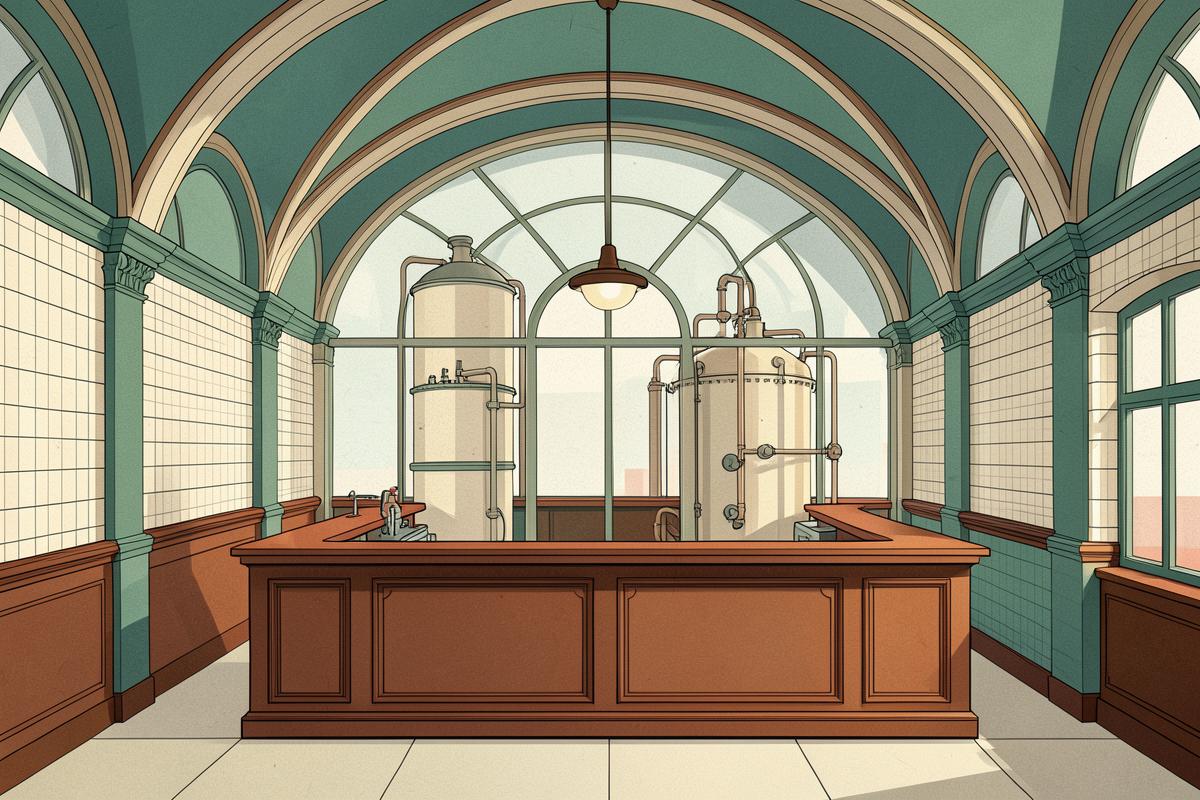
A restored Edwardian station refreshment room with its own brewery behind the bar.
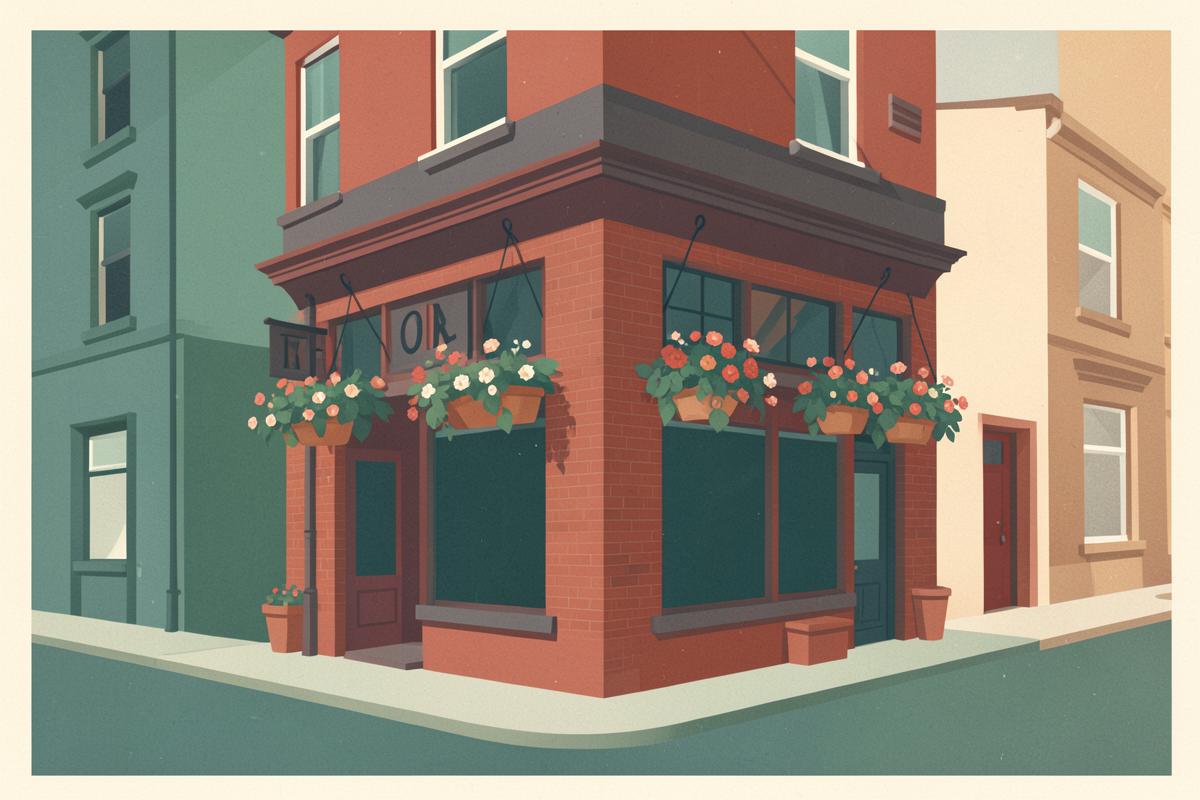
A much-loved corner pub between the station and the Moor, known for beer and proper food.
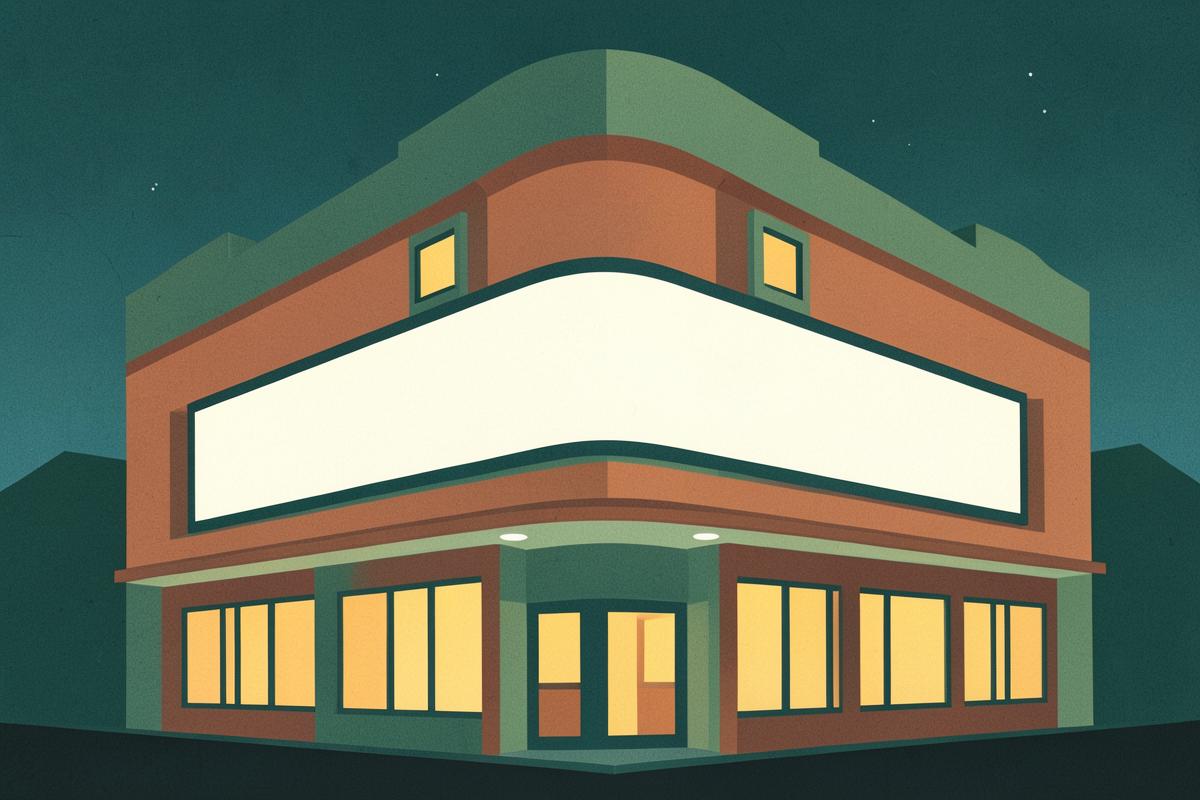
One of the largest independent cinemas in Europe, in an art deco former car showroom.
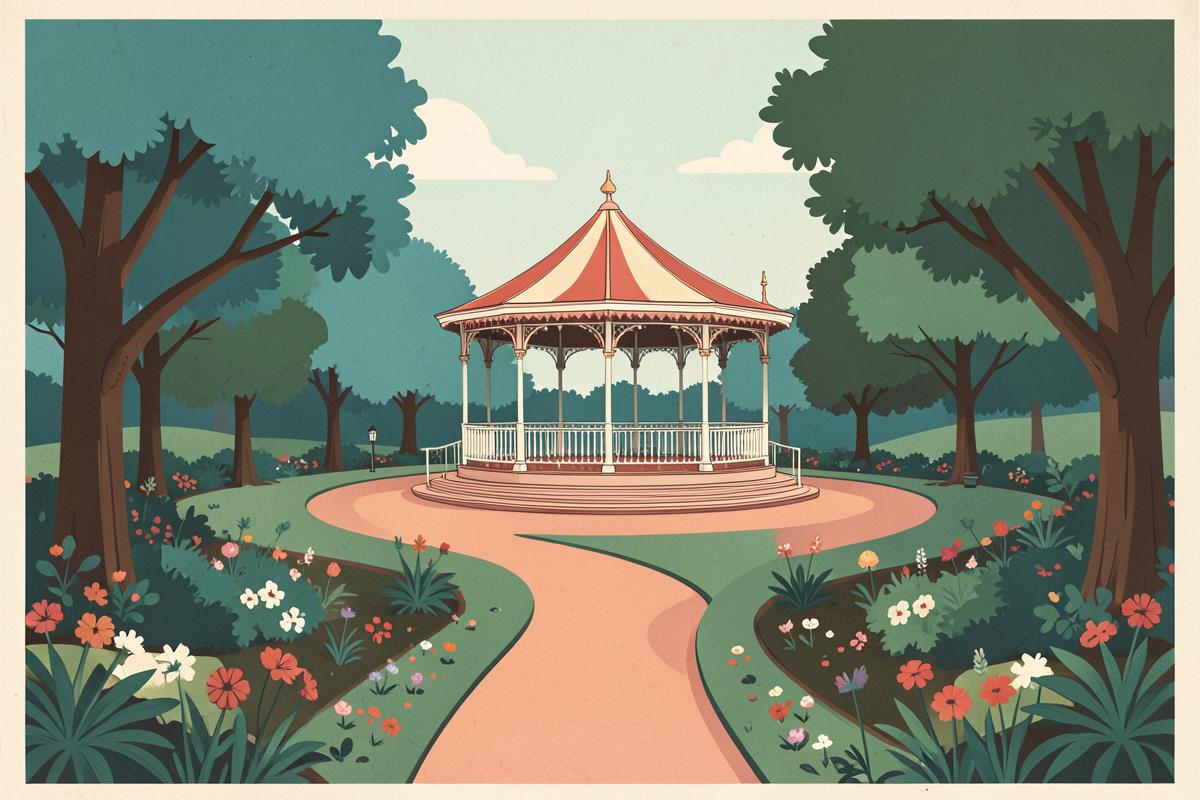
Sheffield's first public park, a Victorian garden between the university and the museum.
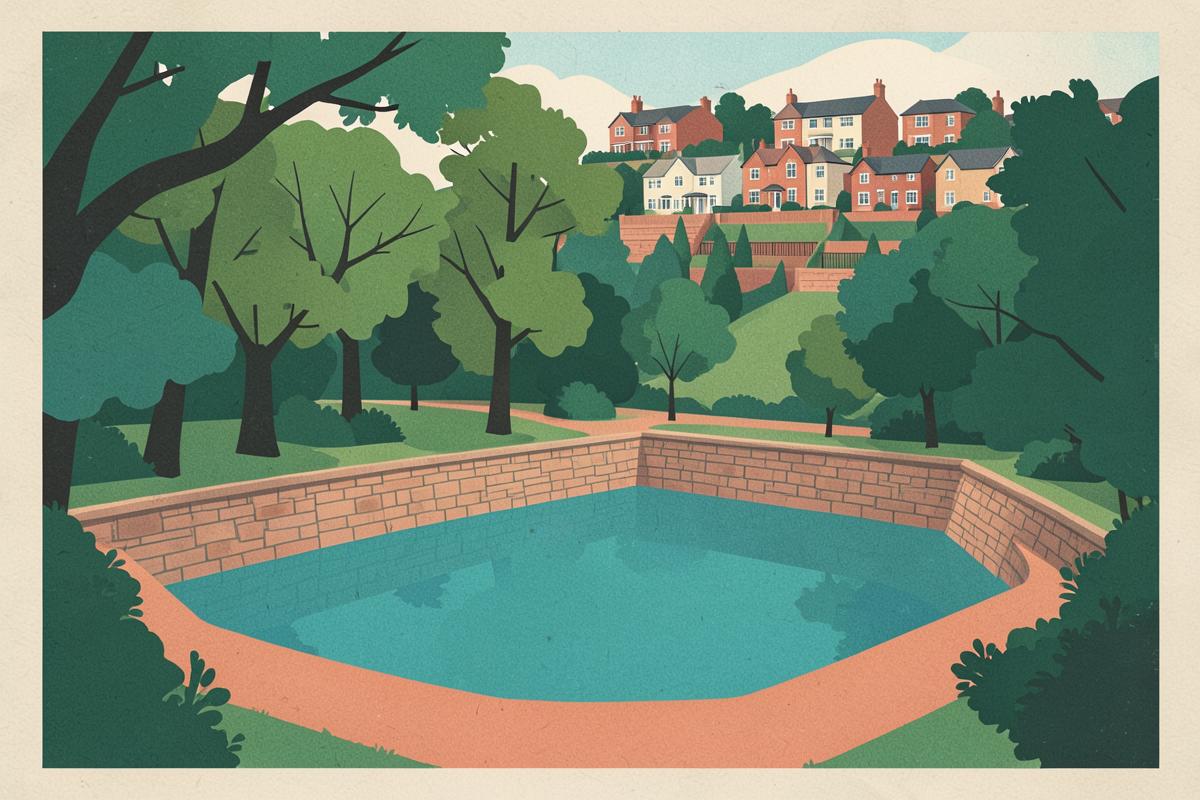
A steep-sided park around an old dam, joined to Weston Park by a green corridor.
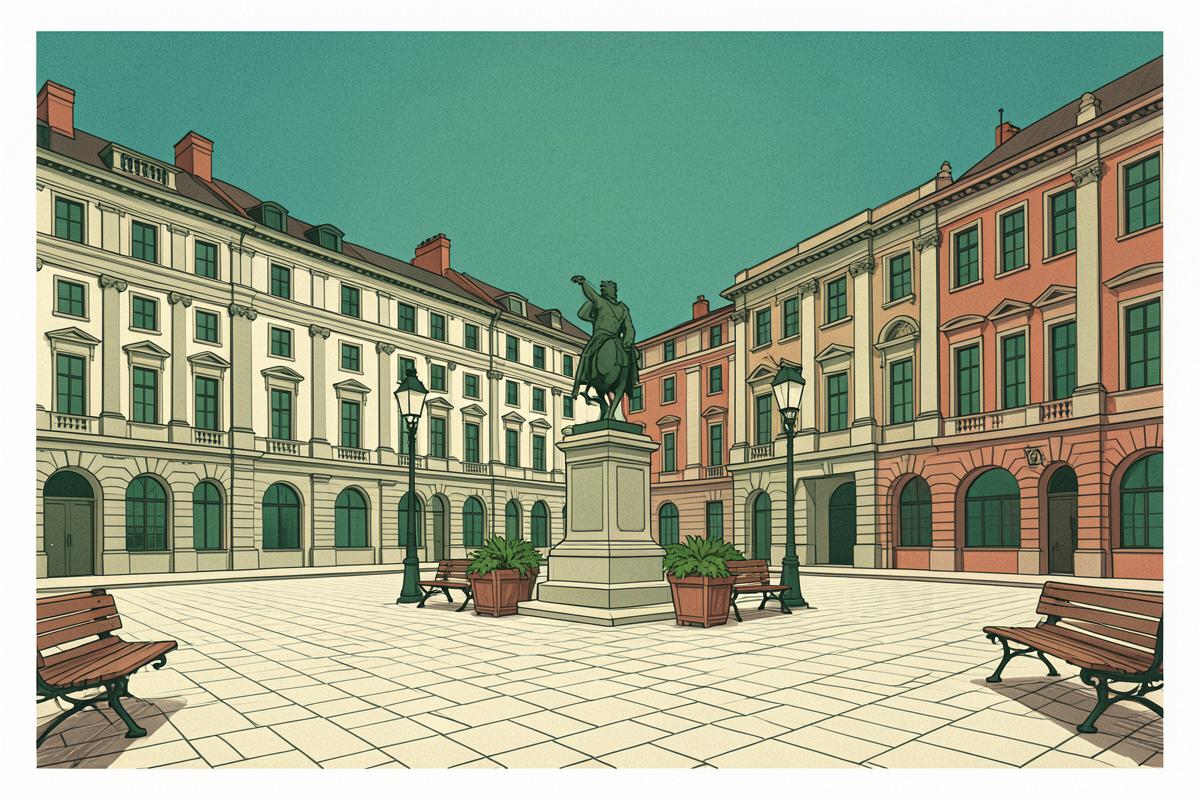
A restored Edwardian square of grand facades between the city centre and Castlegate.
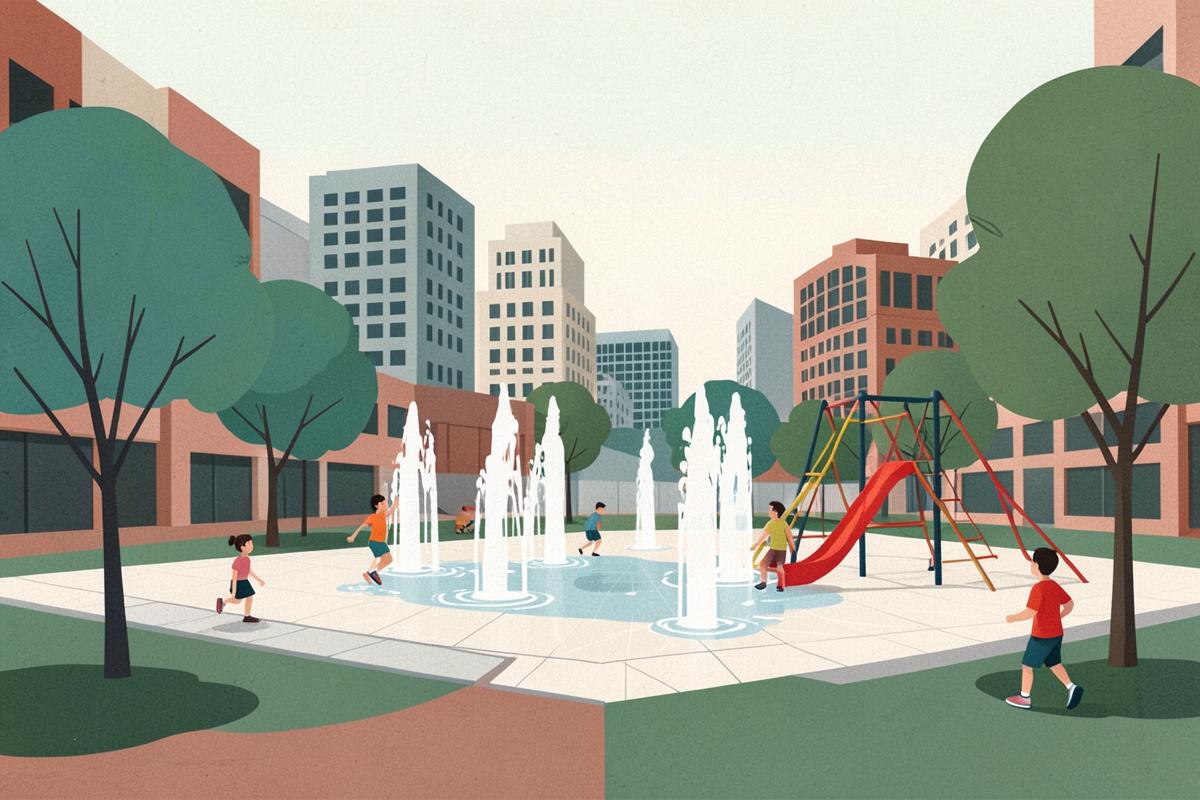
A brand-new city-centre park with water jets, play equipment and lawns, built on an old fire station site.
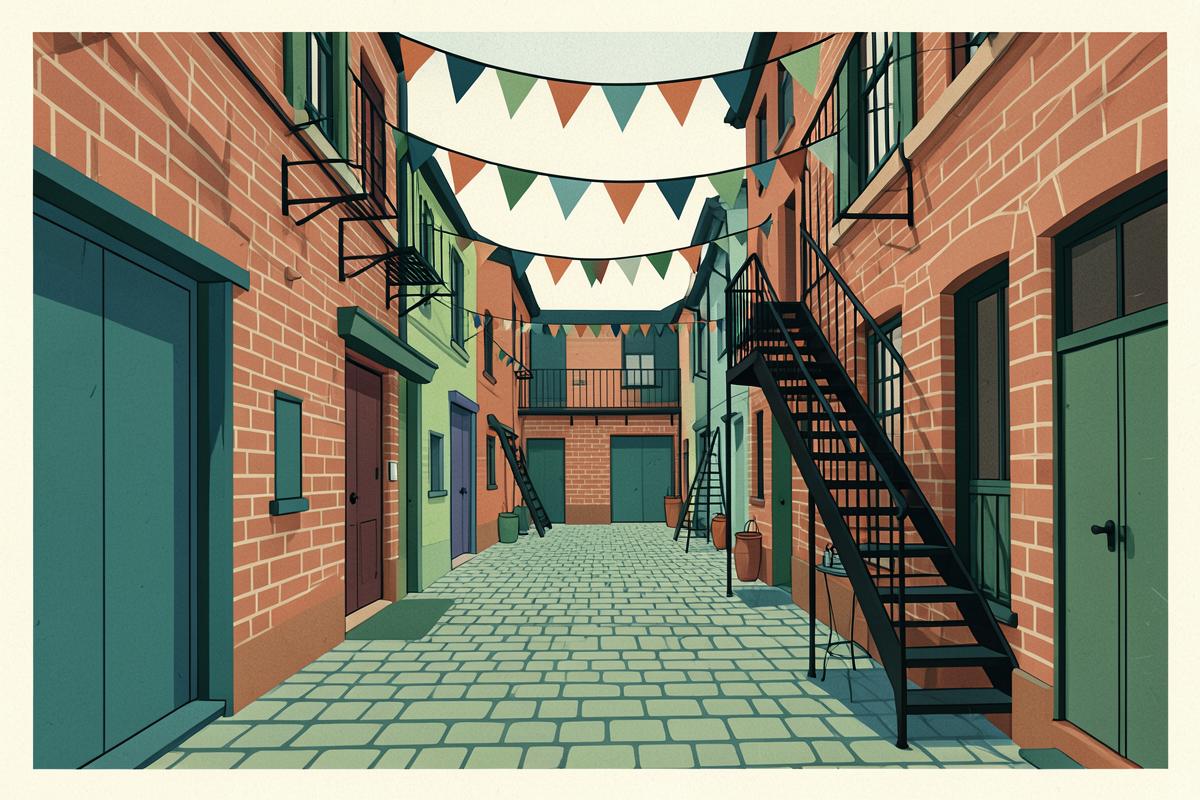
A restored Victorian courtyard of little workshops, now full of independent shops and studios.
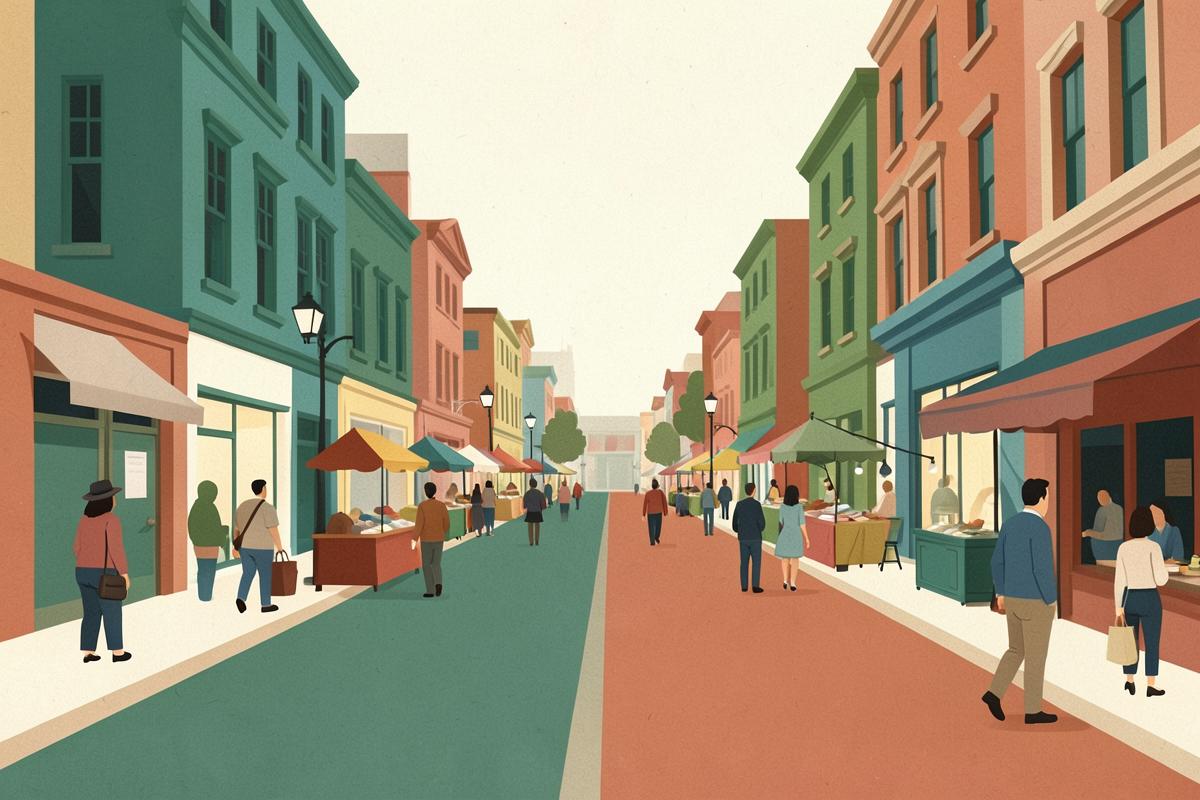
The city's long pedestrian shopping street, running from the market down to the cinema.
Sheffield's best-known night-out street, lined with bars, pubs and late kitchens.

A small artist-led gallery showing experimental contemporary work, free to visit.
A purpose-built studio block for makers, with open studio weekends twice a year.
A free university gallery inside the grand old Head Post Office on Fitzalan Square.
An intimate Victorian theatre on Surrey Street hosting comedy, drama and community shows.
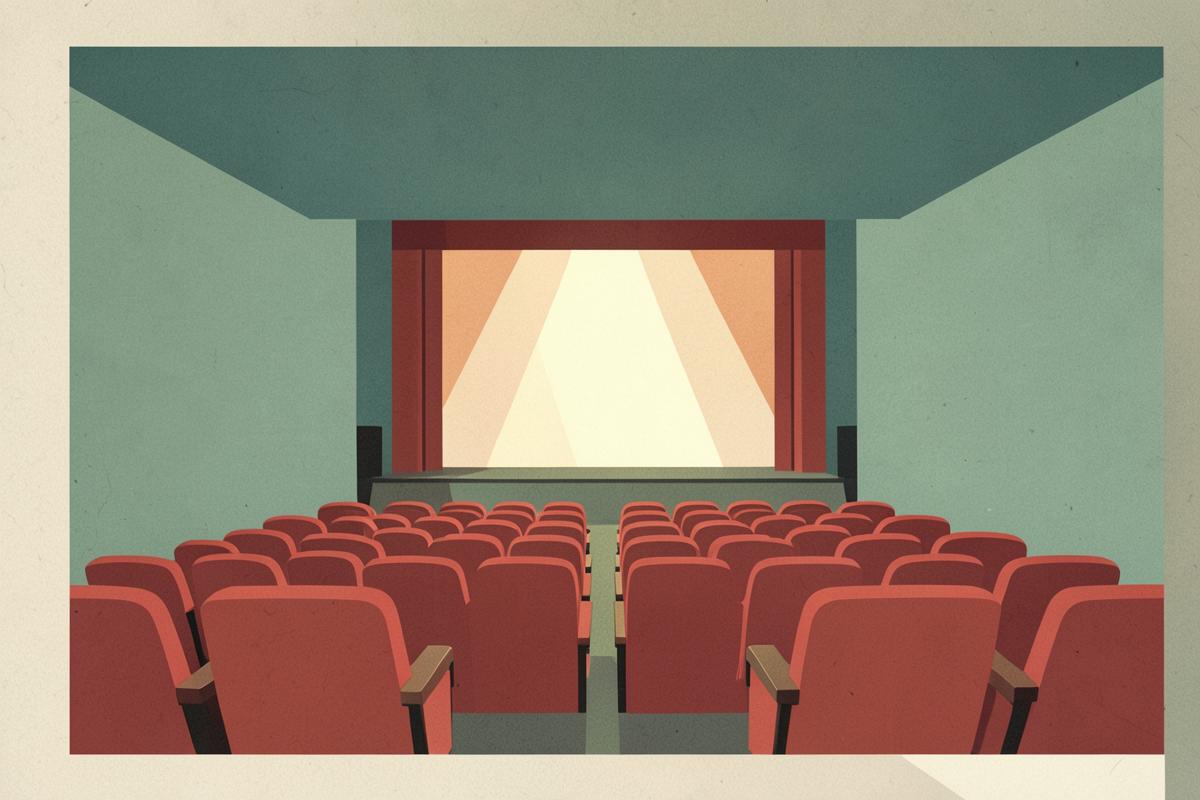
A 260-seat theatre in the basement of the Central Library, right on Tudor Square.
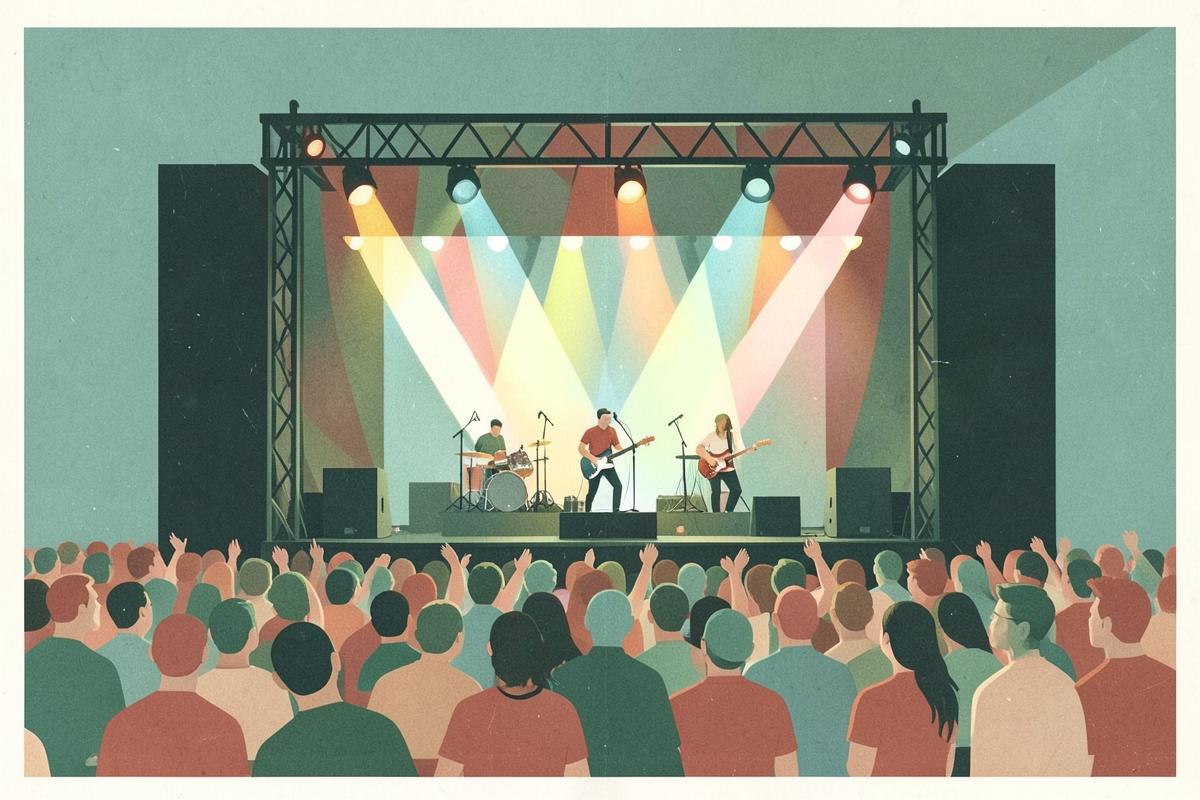
The city centre's main mid-size gig venue, hosting touring bands most nights of the week.
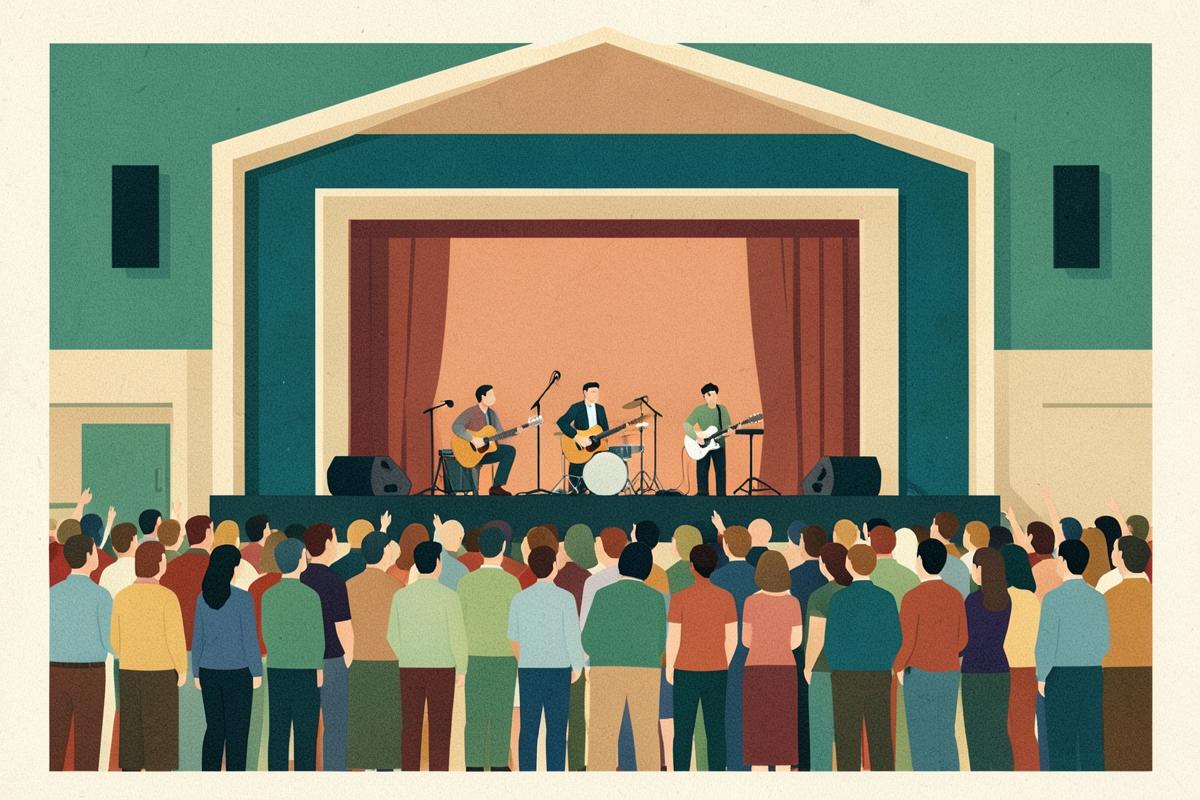
The students' union live venue at the University of Sheffield, open to everyone for gigs.

A long-running rock, metal and alternative club with several rooms and very late hours.
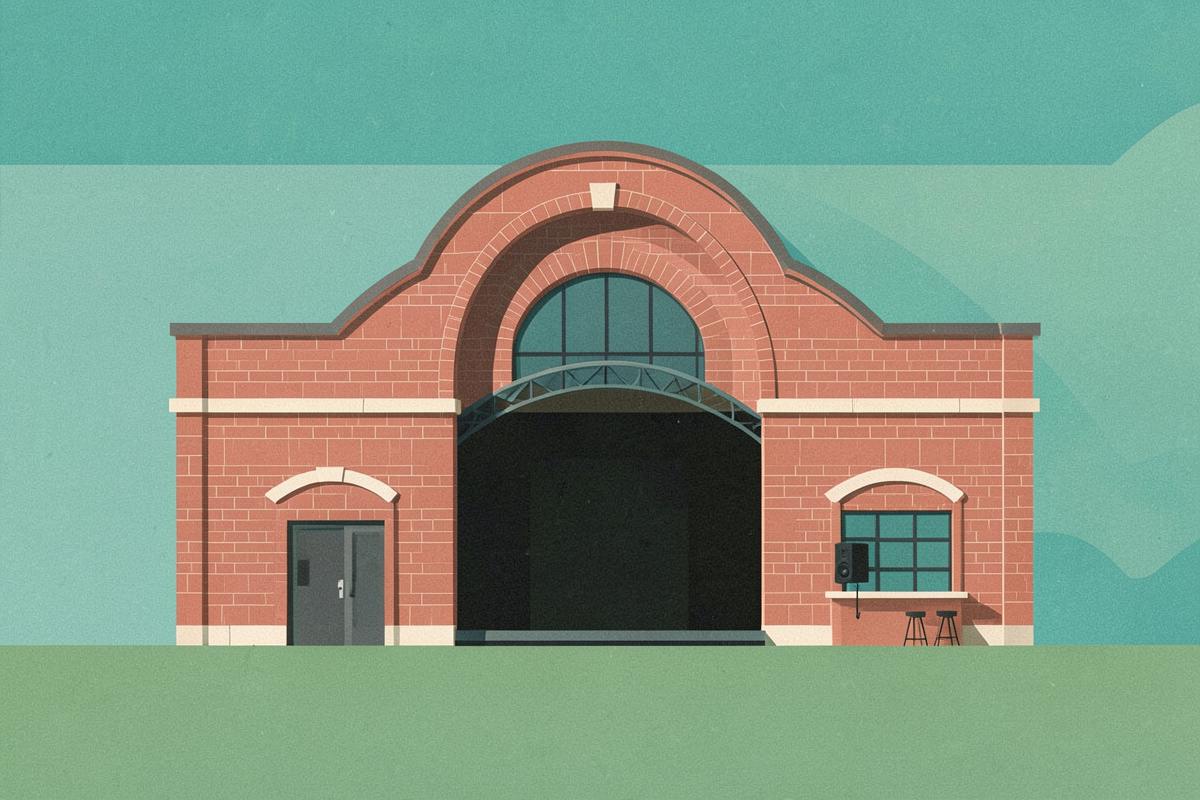
A converted warehouse venue and bar in the Cultural Industries Quarter, strong on new music.
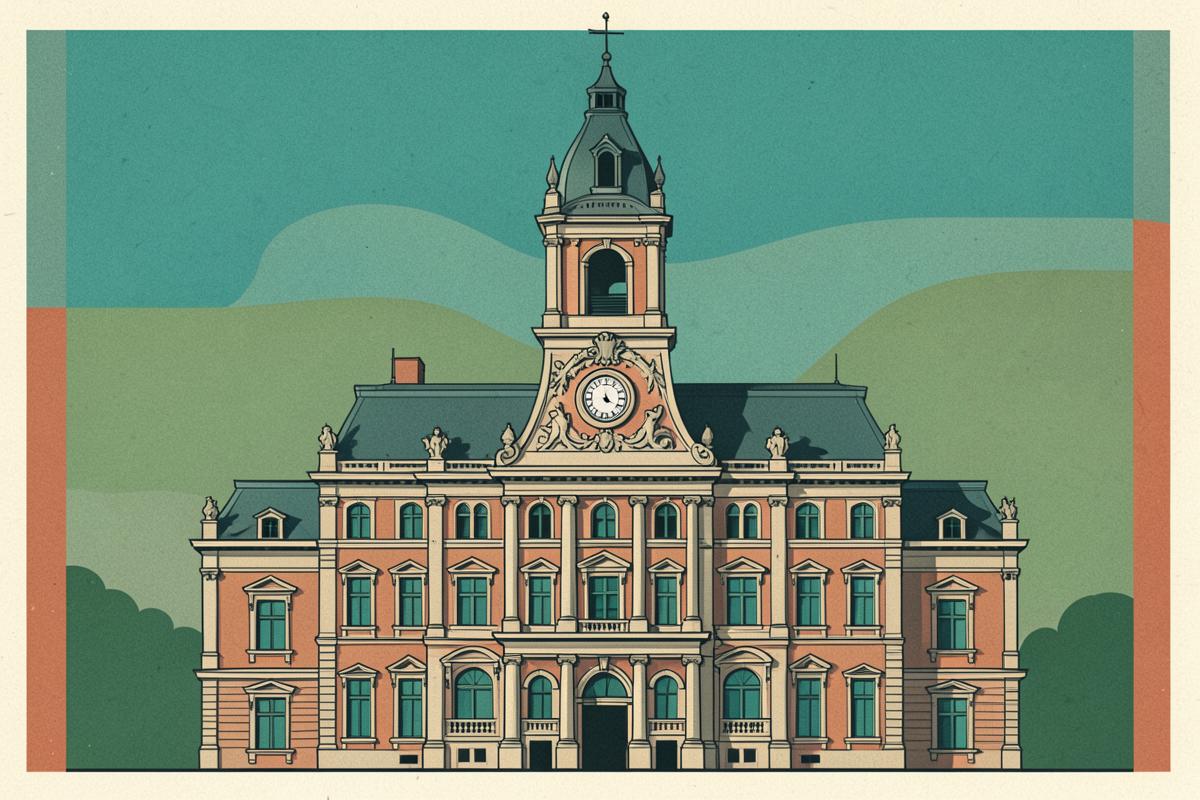
A grand, long-empty Victorian courthouse and town hall being brought back to life at Castlegate.
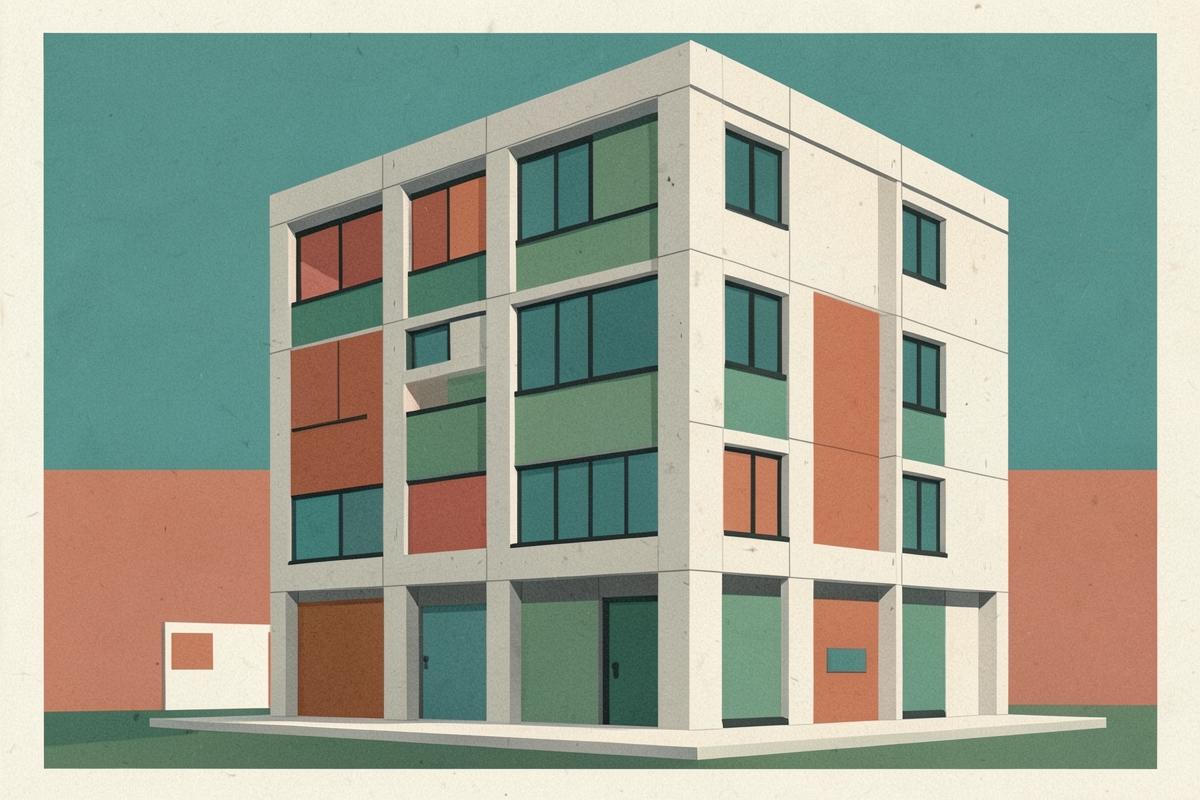
A contemporary art gallery and studios inside the Park Hill flats, free to visit.
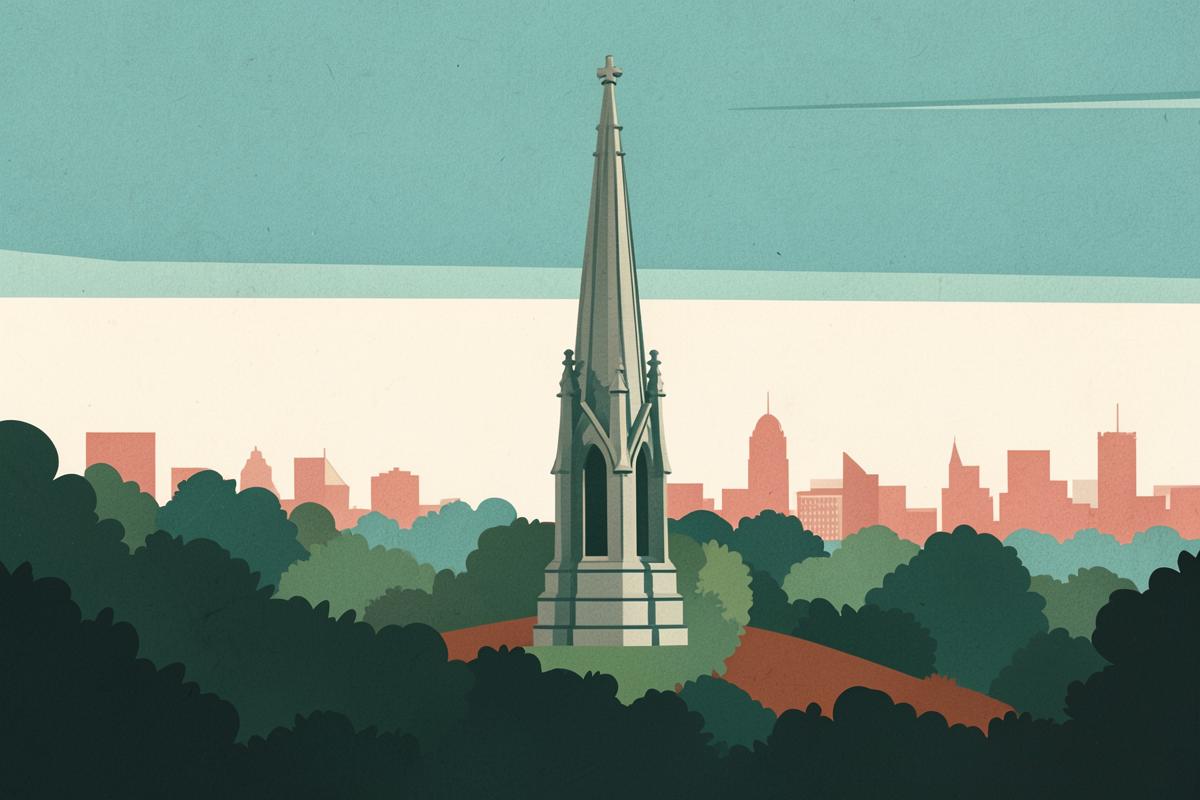
A Gothic spire on a wooded hill above the station, marking the 1832 cholera burial ground.
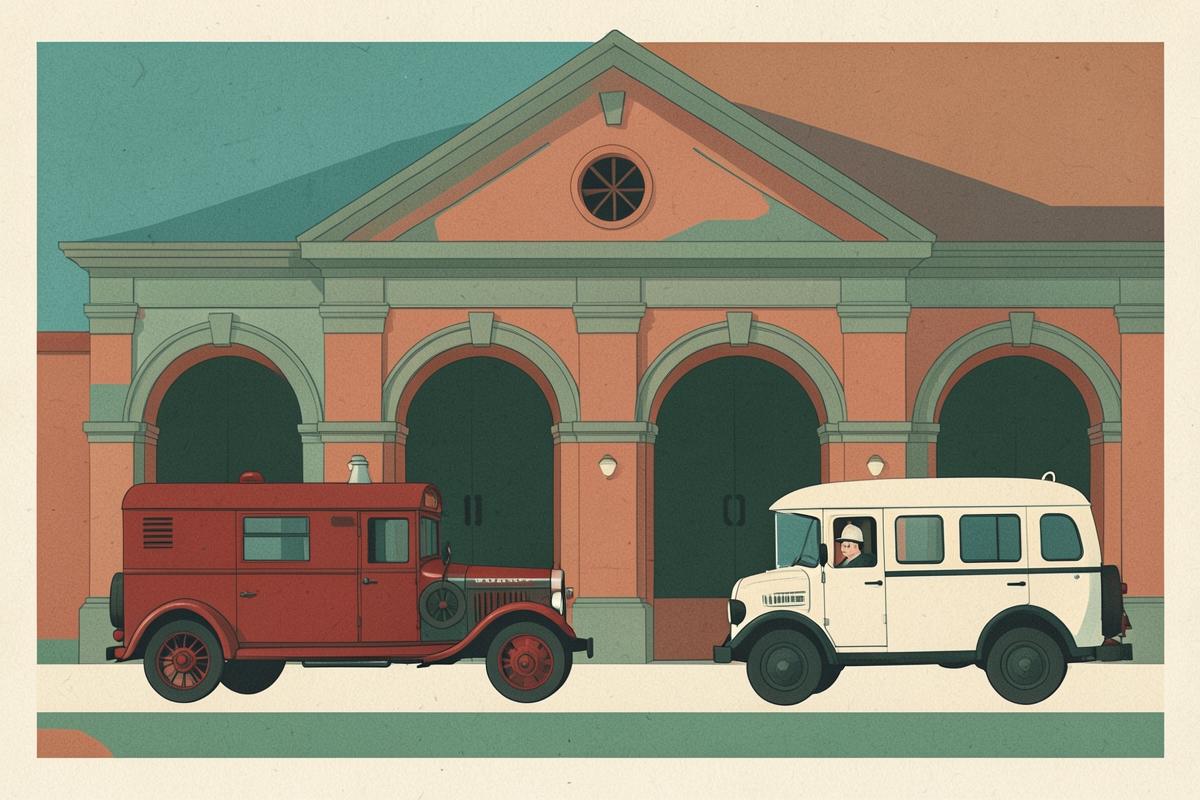
Fire engines, police cells and ambulances in a Victorian police and fire station you can climb over.
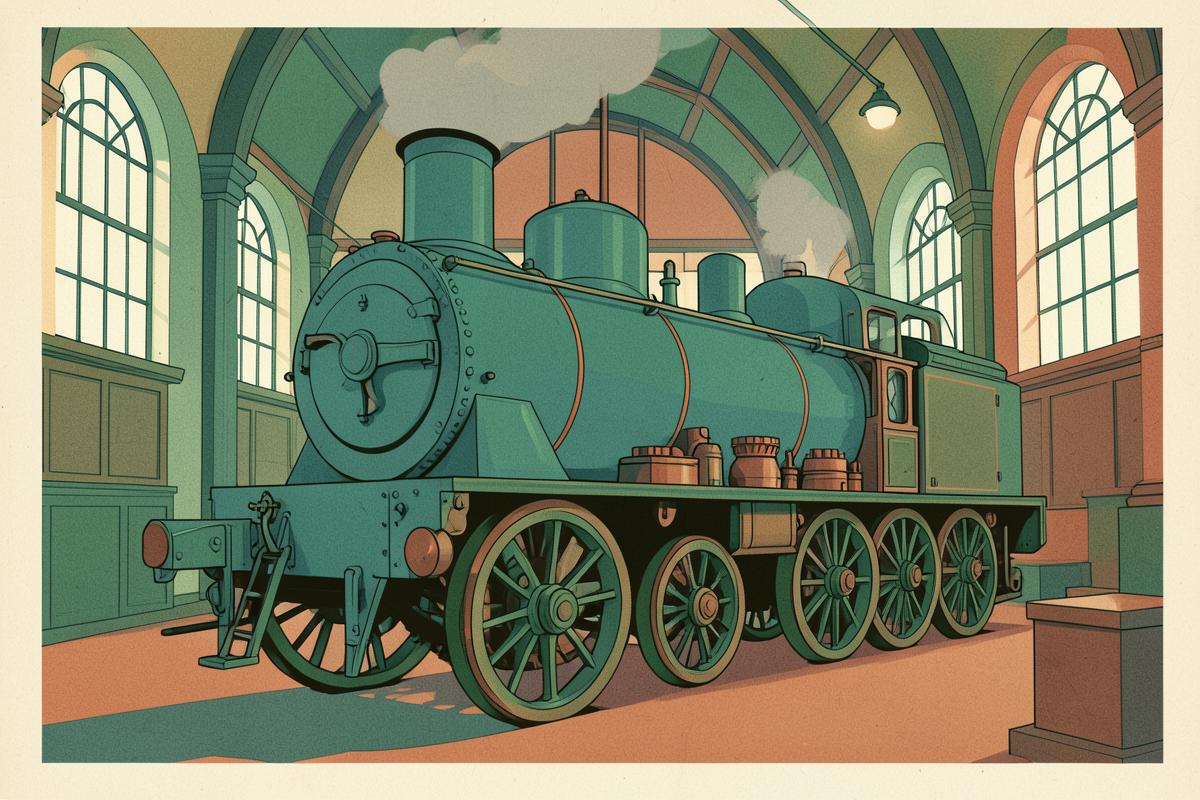
Europe's most powerful working steam engine, fired up for visitors at Kelham Island.
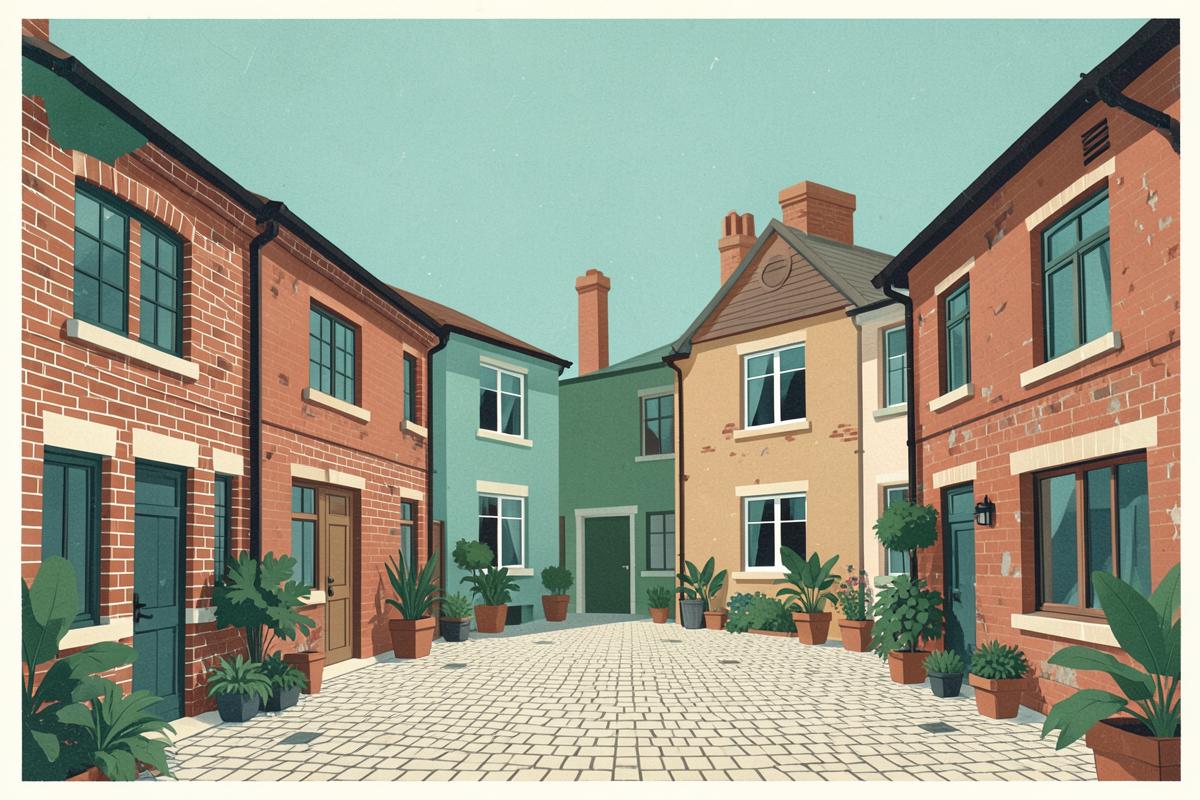
A restored cluster of old works turned into low-energy homes, courtyards and small businesses.
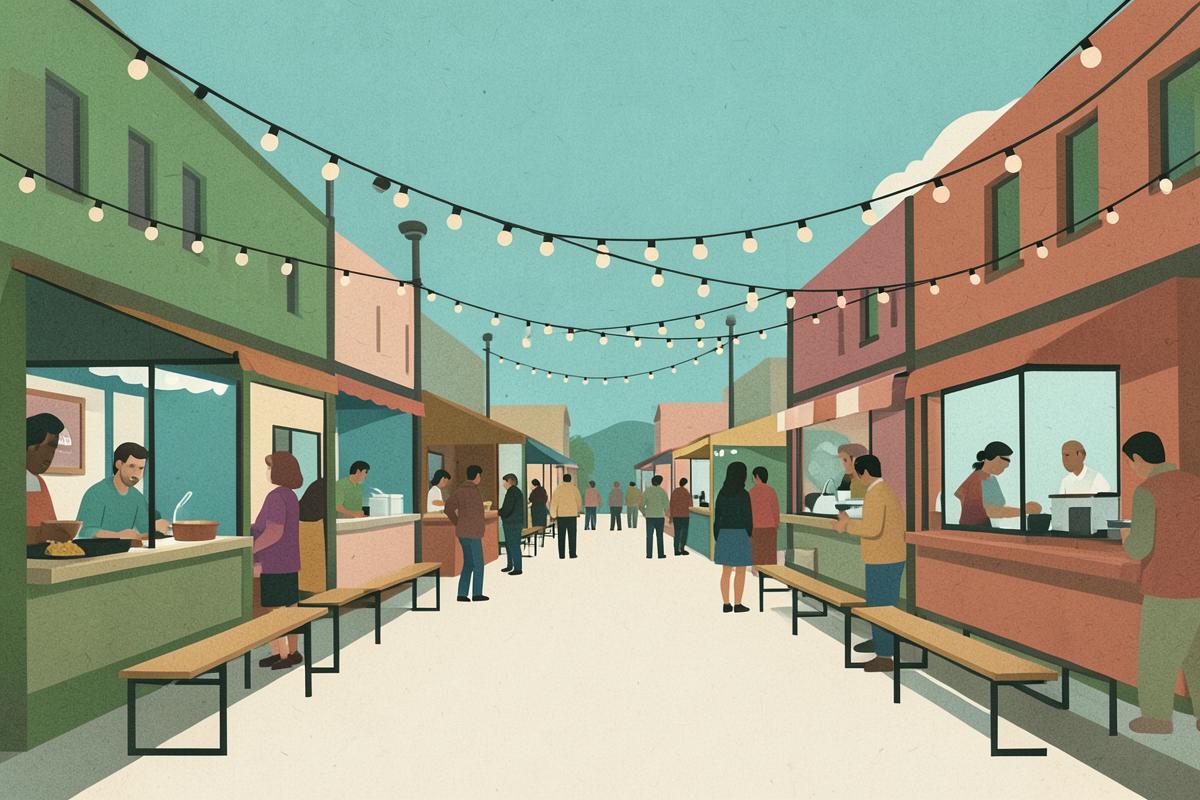
A monthly warehouse street-food and music night in Neepsend, cash-free and lively.
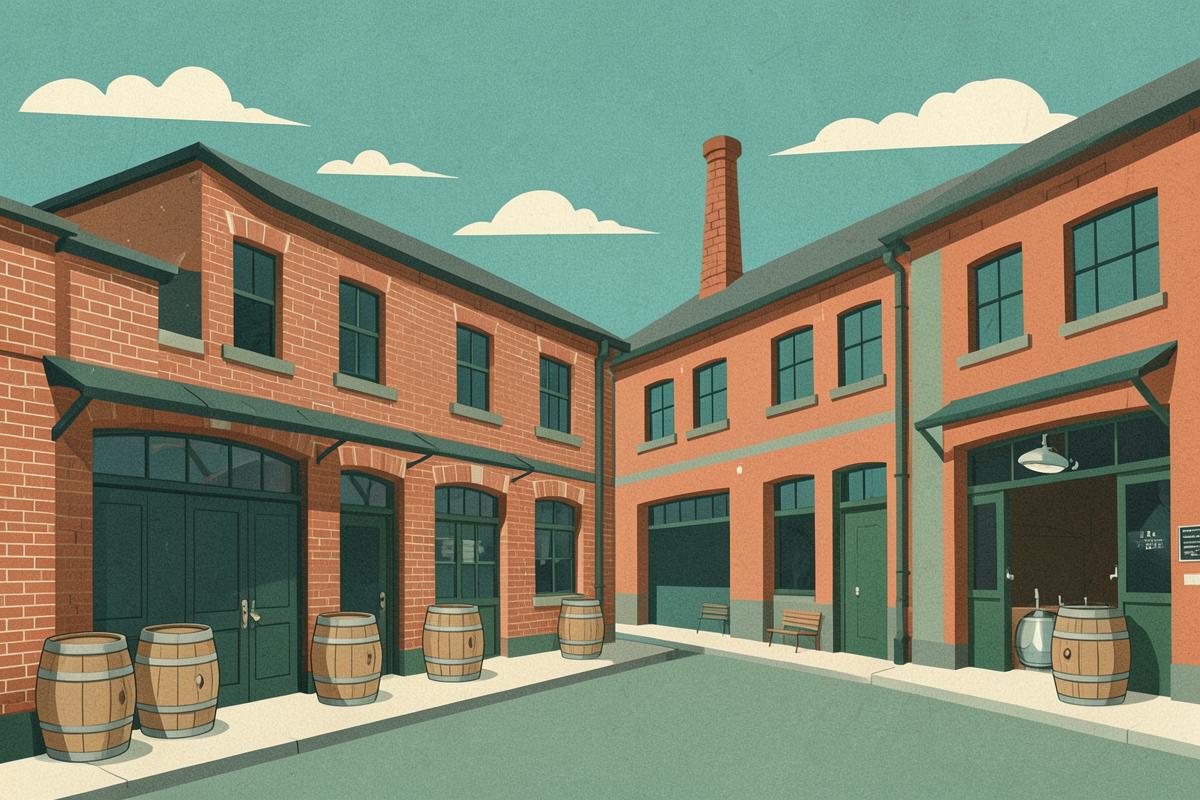
The rougher-edged strip of breweries, taprooms and warehouse venues just beyond Kelham.
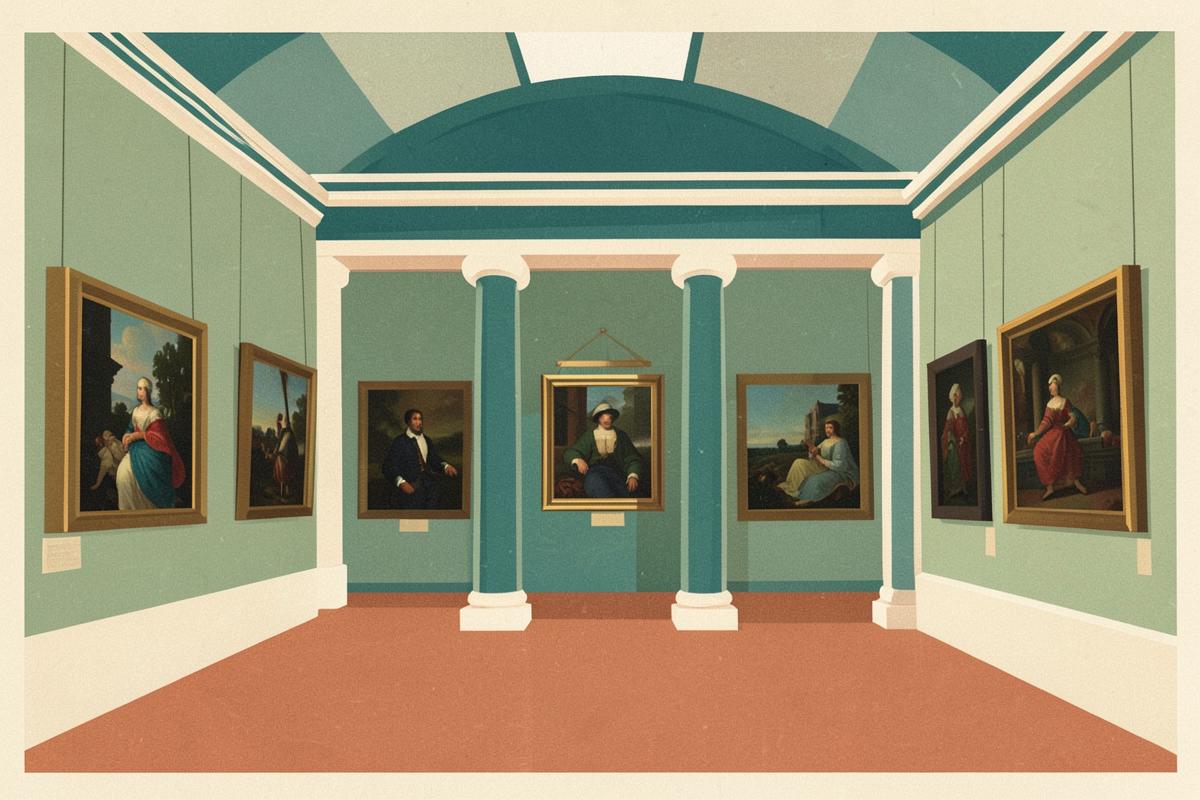
A grand neoclassical gallery attached to Weston Park Museum, free to enter.
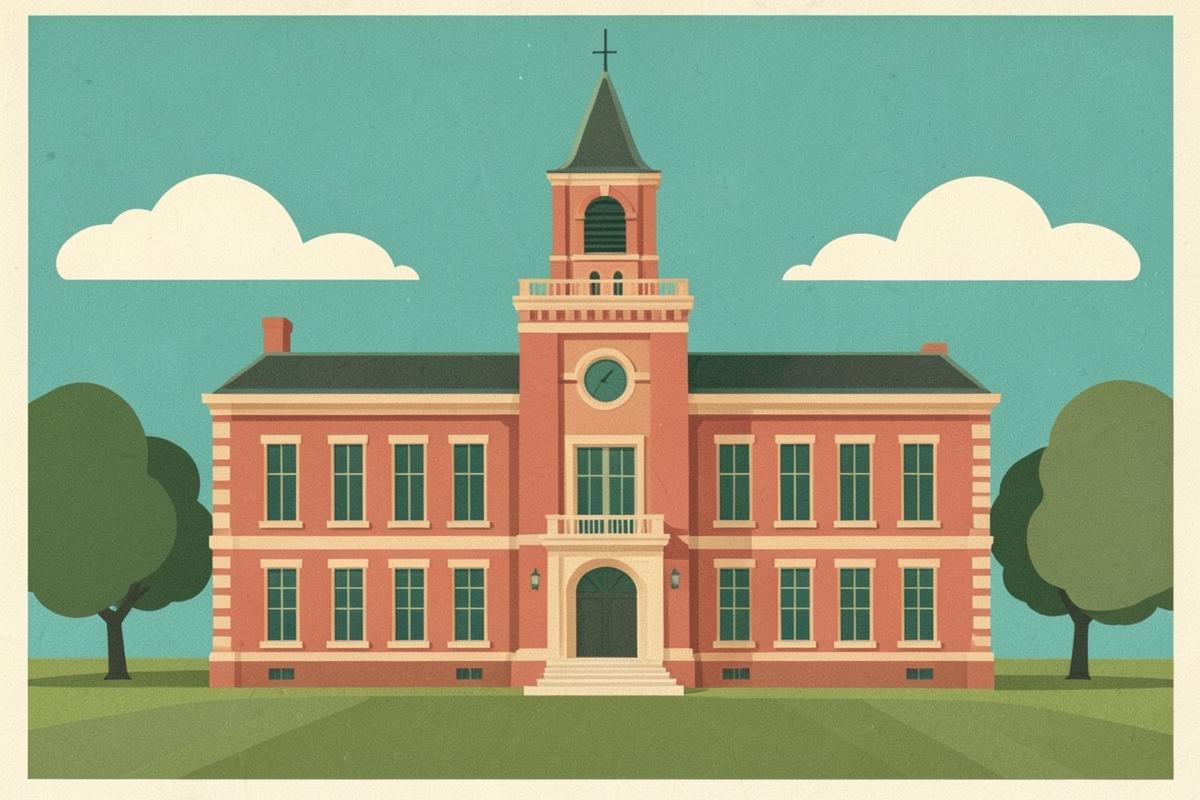
The red-brick Edwardian heart of the University of Sheffield, opened by Edward VII.
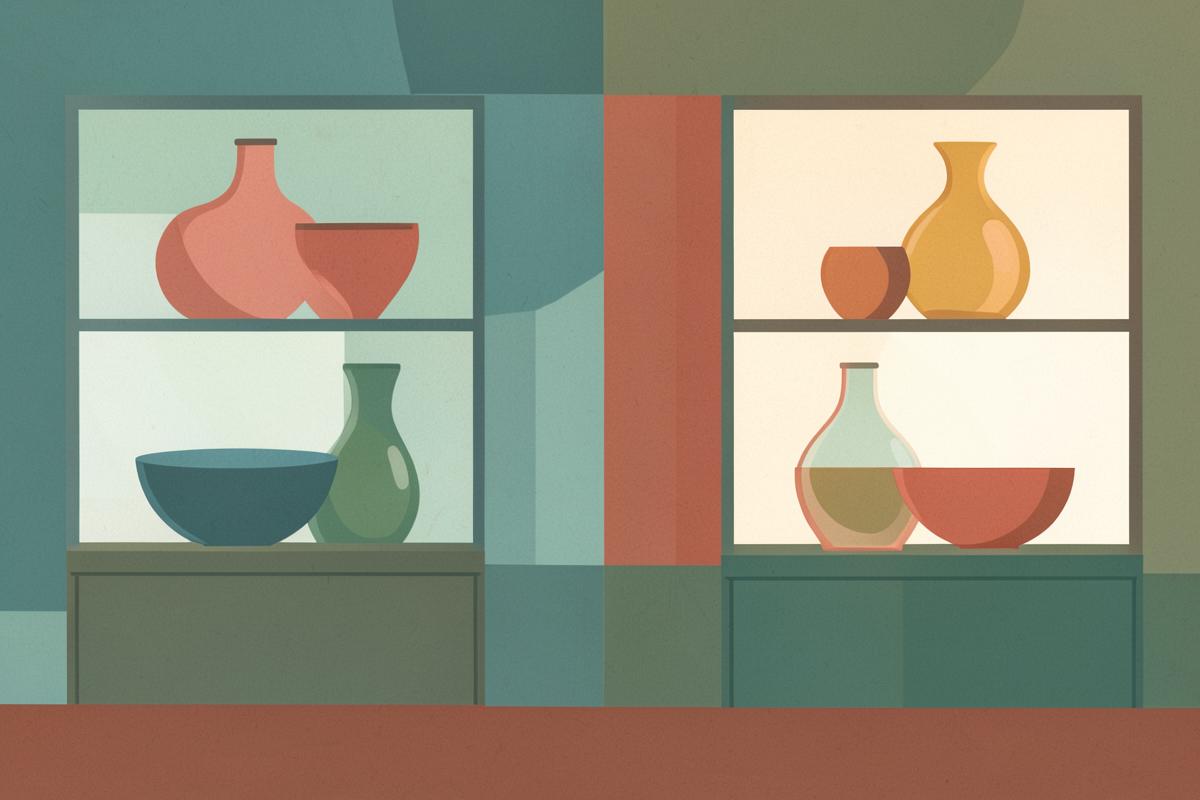
A free, little-known collection of studio and historic glass inside the university's engineering building.
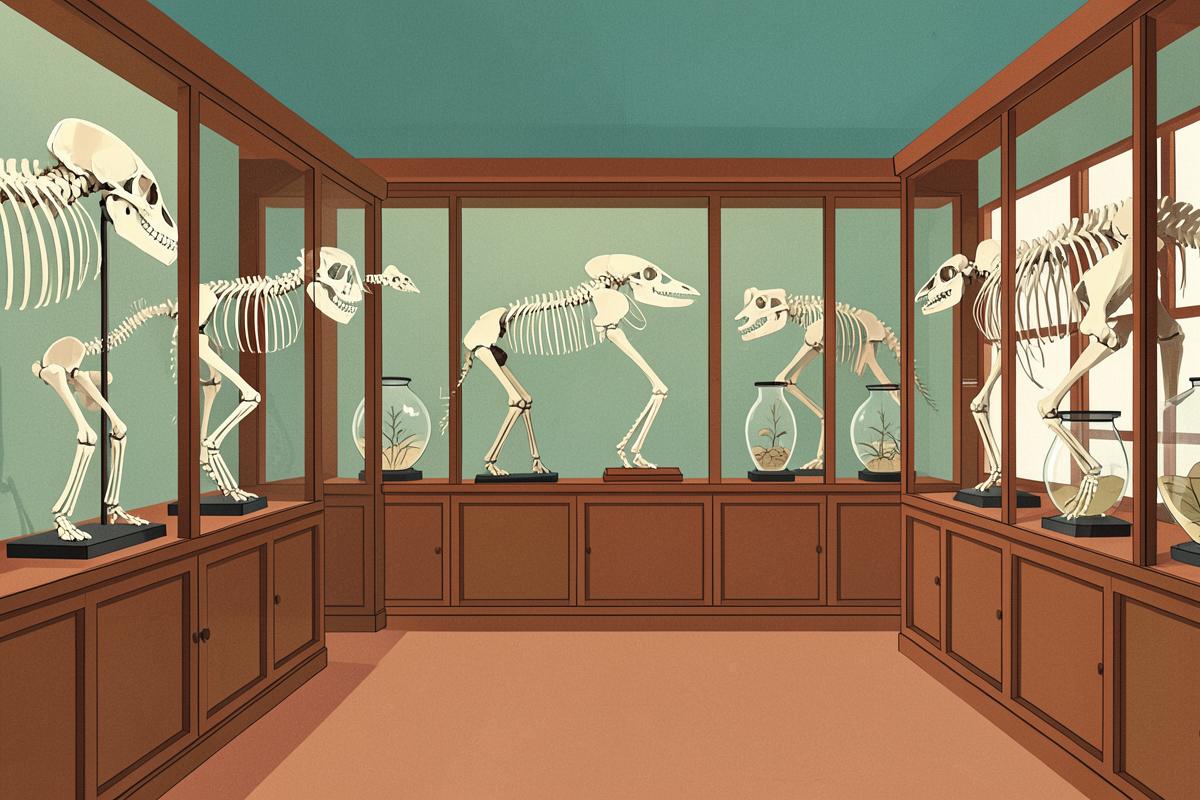
A Victorian-style zoology museum of skeletons and specimens, open on selected days.
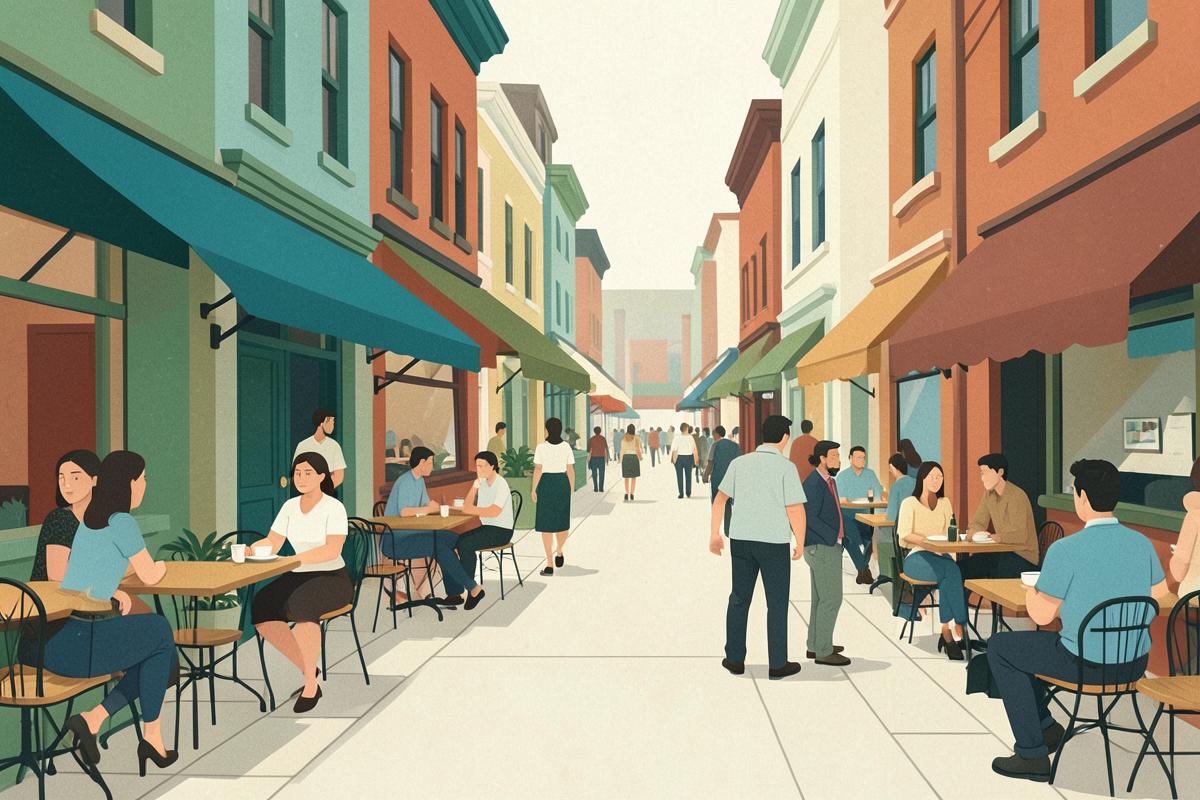
A long, busy strip of independent restaurants, cafes and shops heading out to the Botanical Gardens.
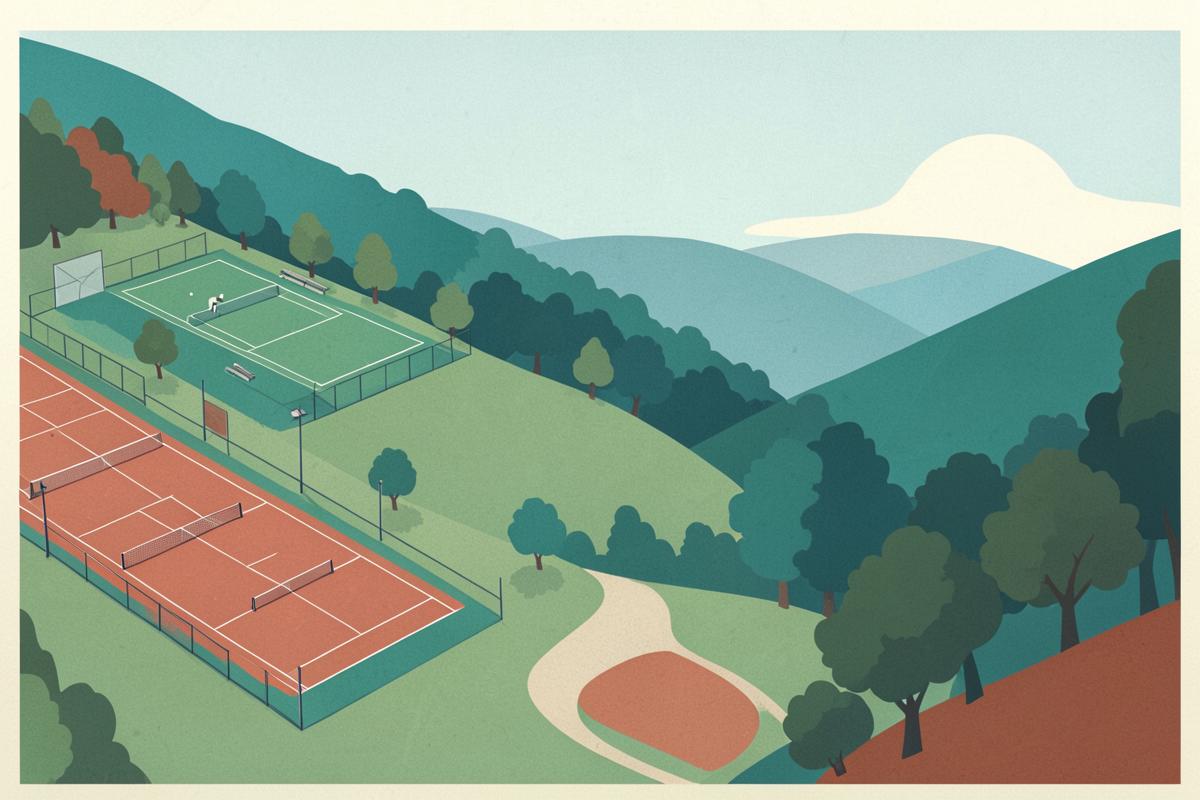
A hillside park of tennis courts and woodland paths in the middle of the Porter Valley walk.
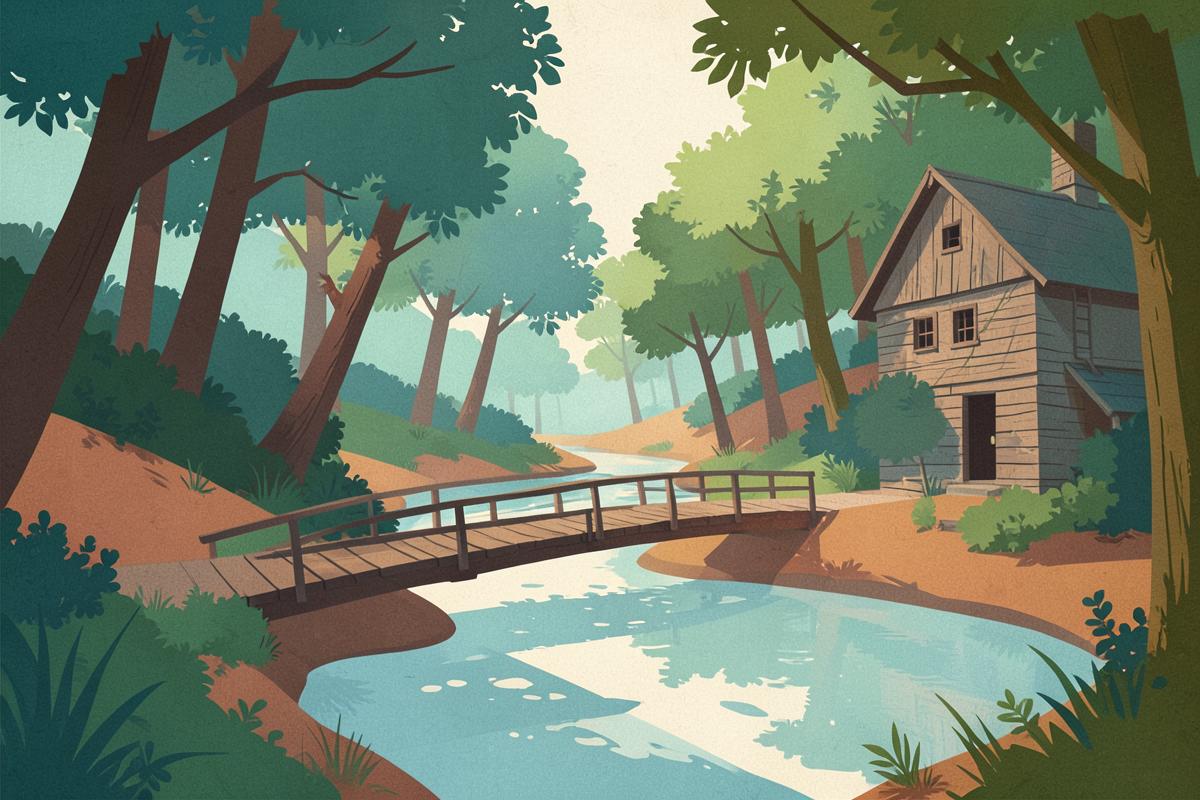
Ancient woodland and mill ponds along the Porter Brook, between Bingham Park and Forge Dam.
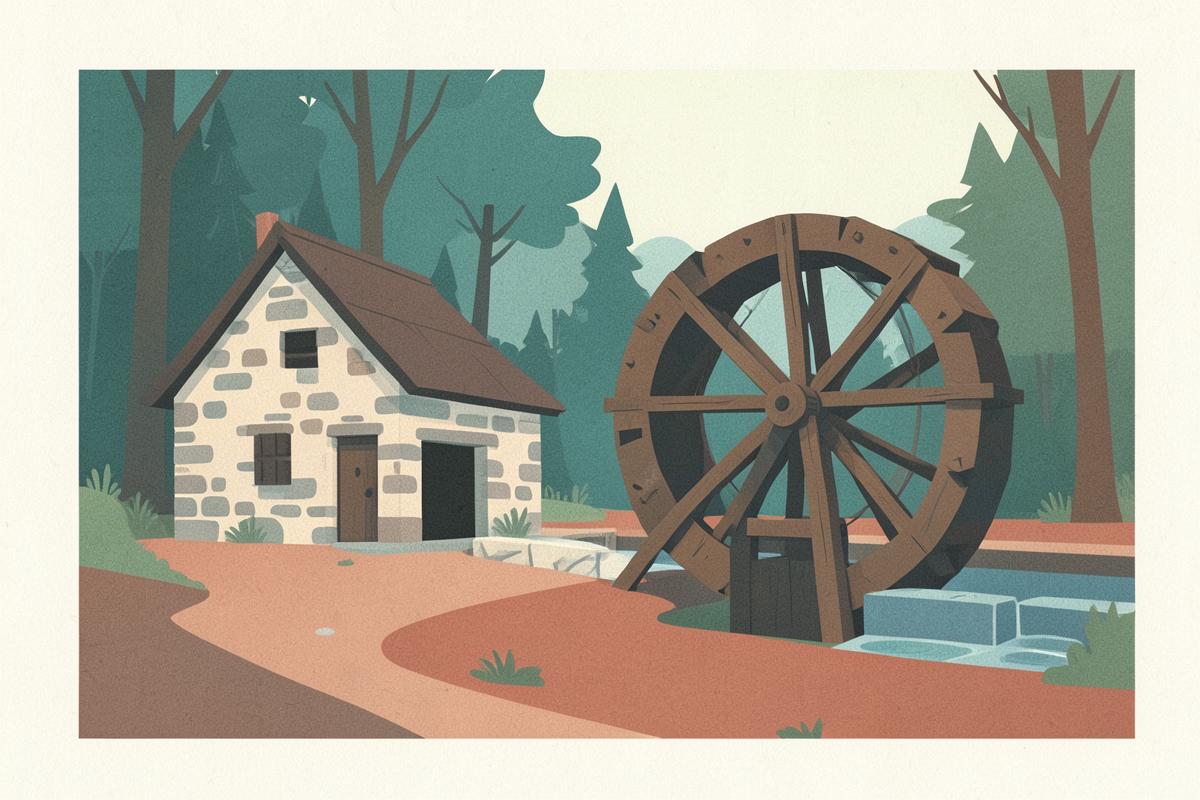
A working water-powered knife-grinding workshop in the woods, free to visit.
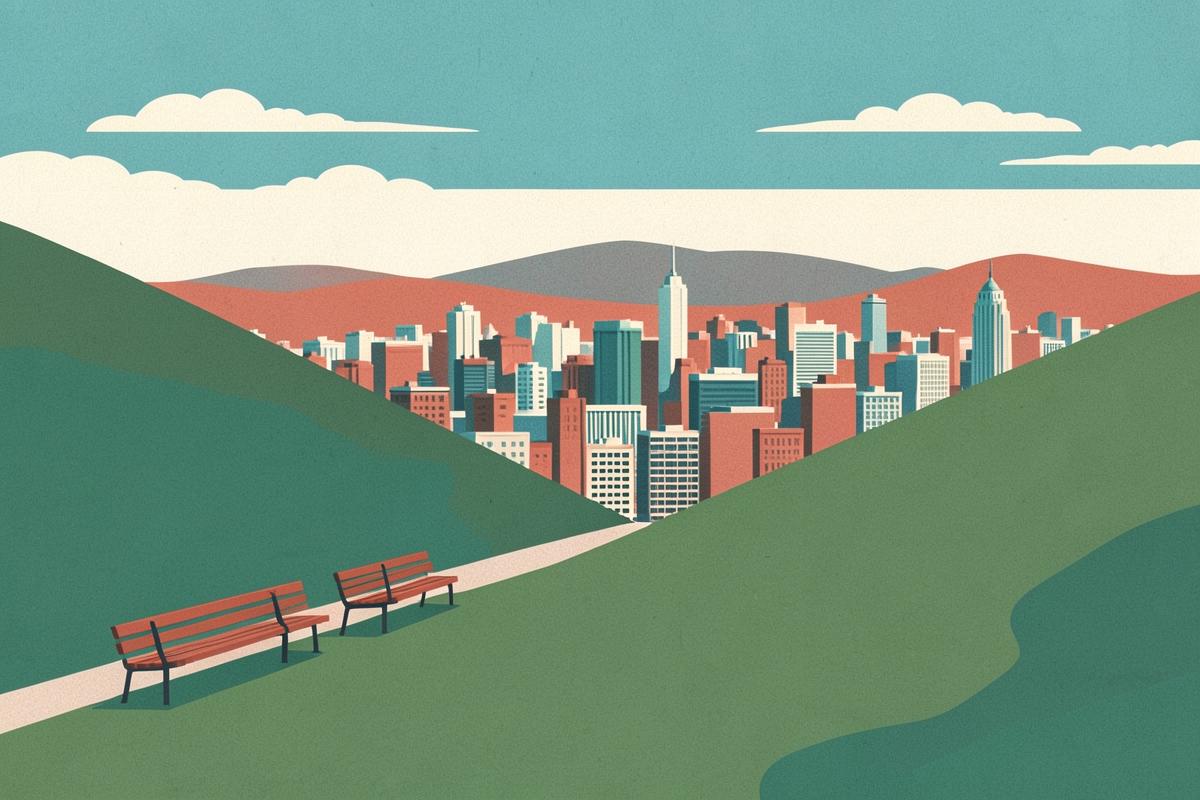
A steep park with the best skyline view of Sheffield, plus a walled garden and Bishops' House.
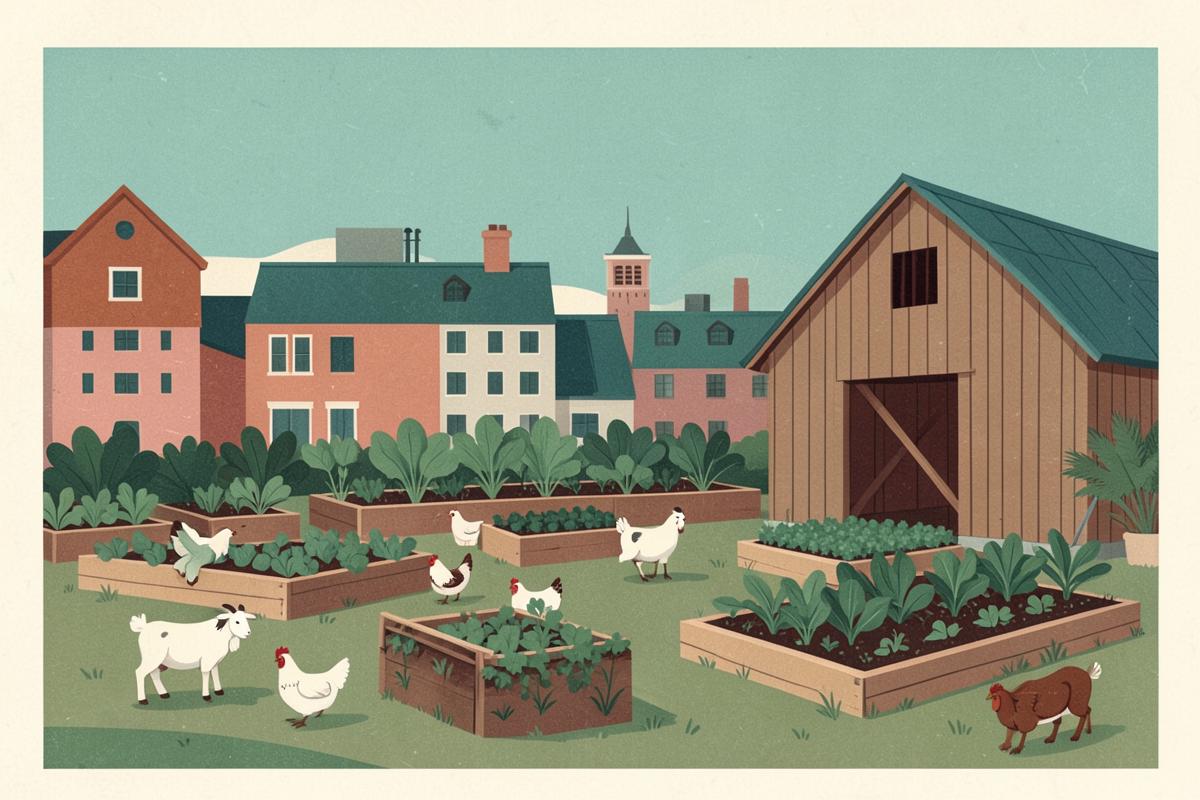
A free community farm with animals, gardens and a vegetarian cafe, minutes from the centre.
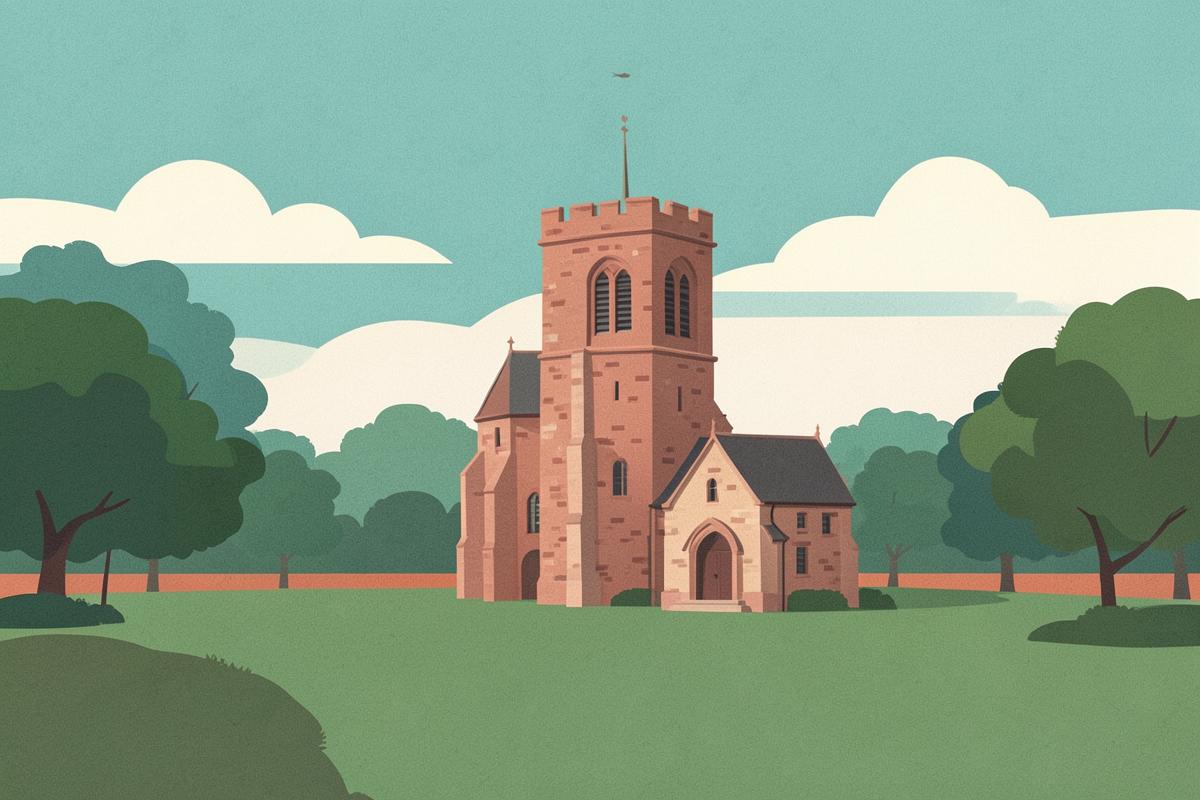
The surviving tower of a twelfth-century abbey, standing alone in fields on the city's south edge.
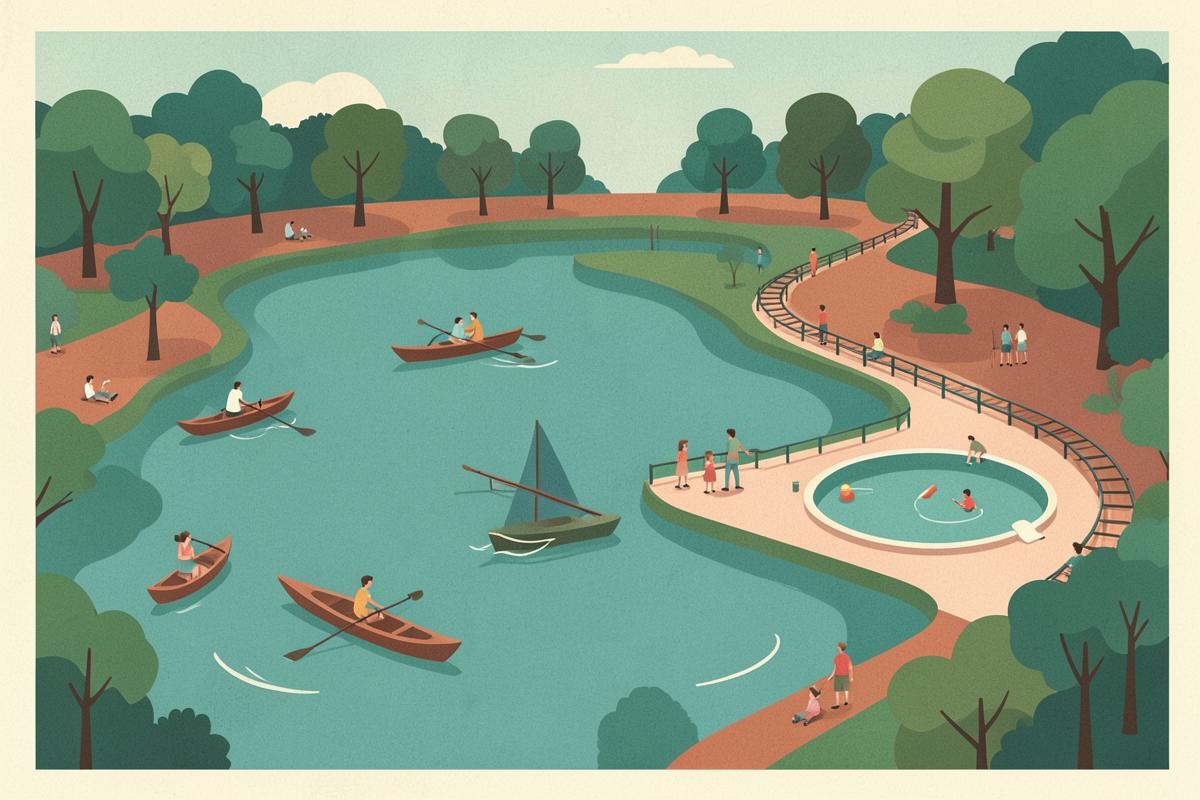
A big family park on the River Sheaf with a paddling pool, boating lake and miniature railway.
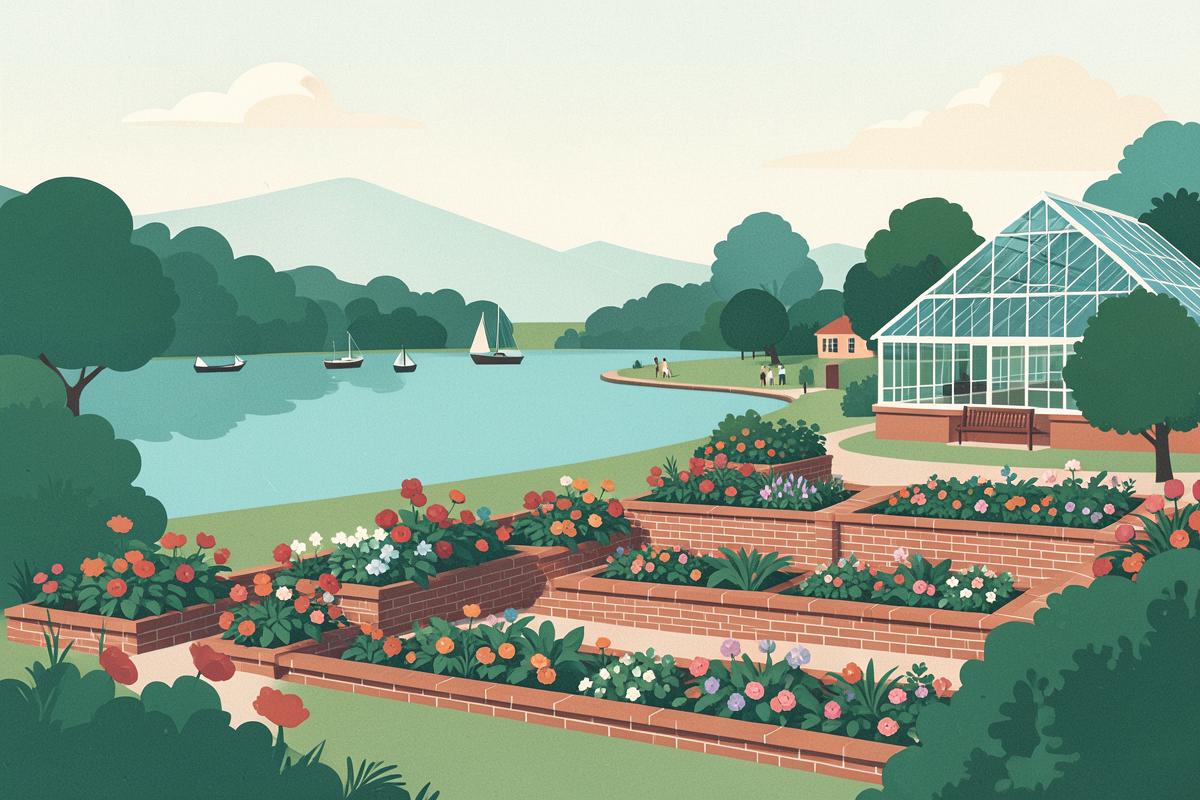
A large north-side park with a lake, a restored walled garden and the city's summer festivals.
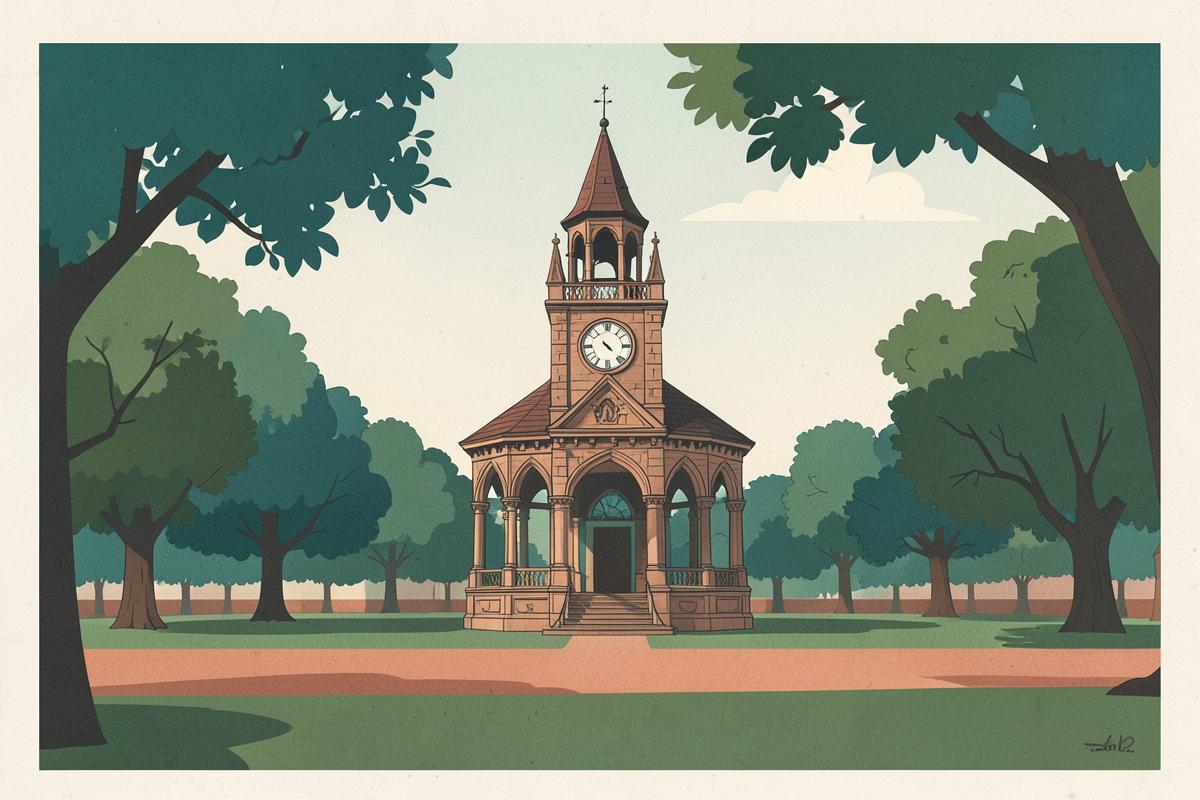
A Victorian park given to the city by Mark Firth, with a clock tower pavilion and long views.
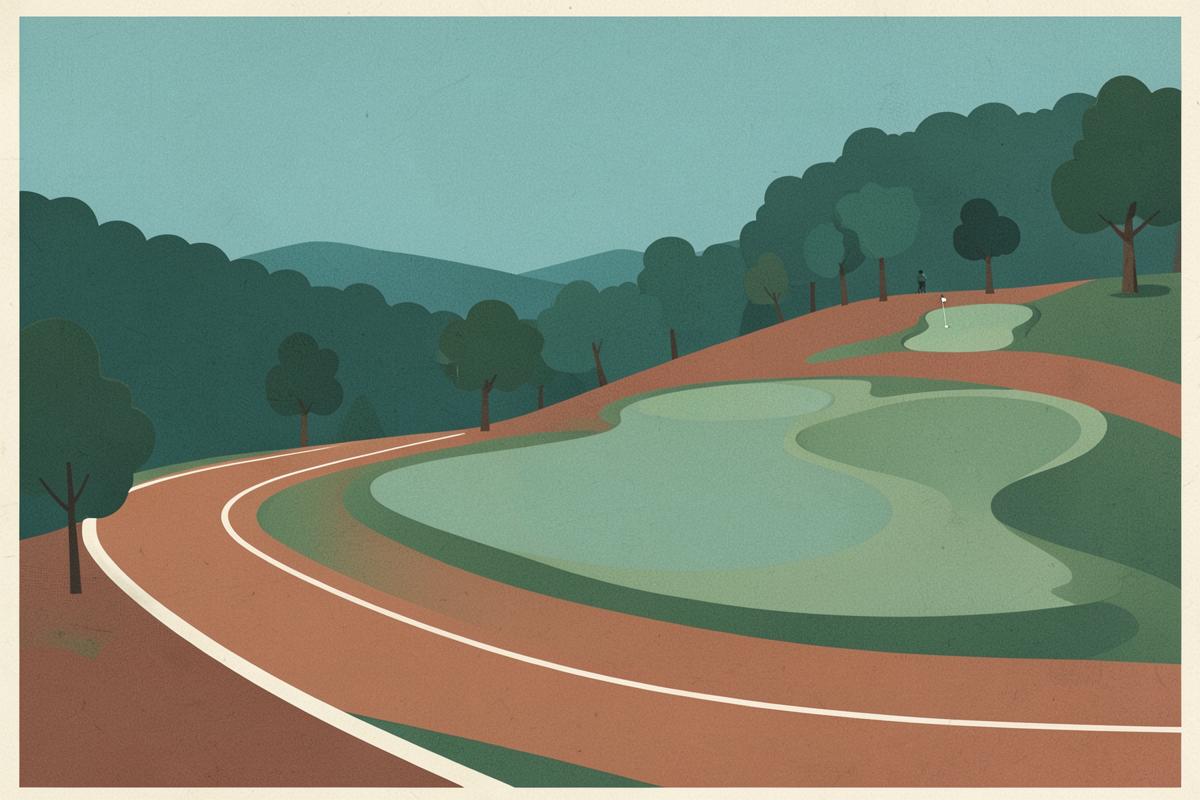
A big sports park in the north of the city with a golf course, athletics track and woodland.
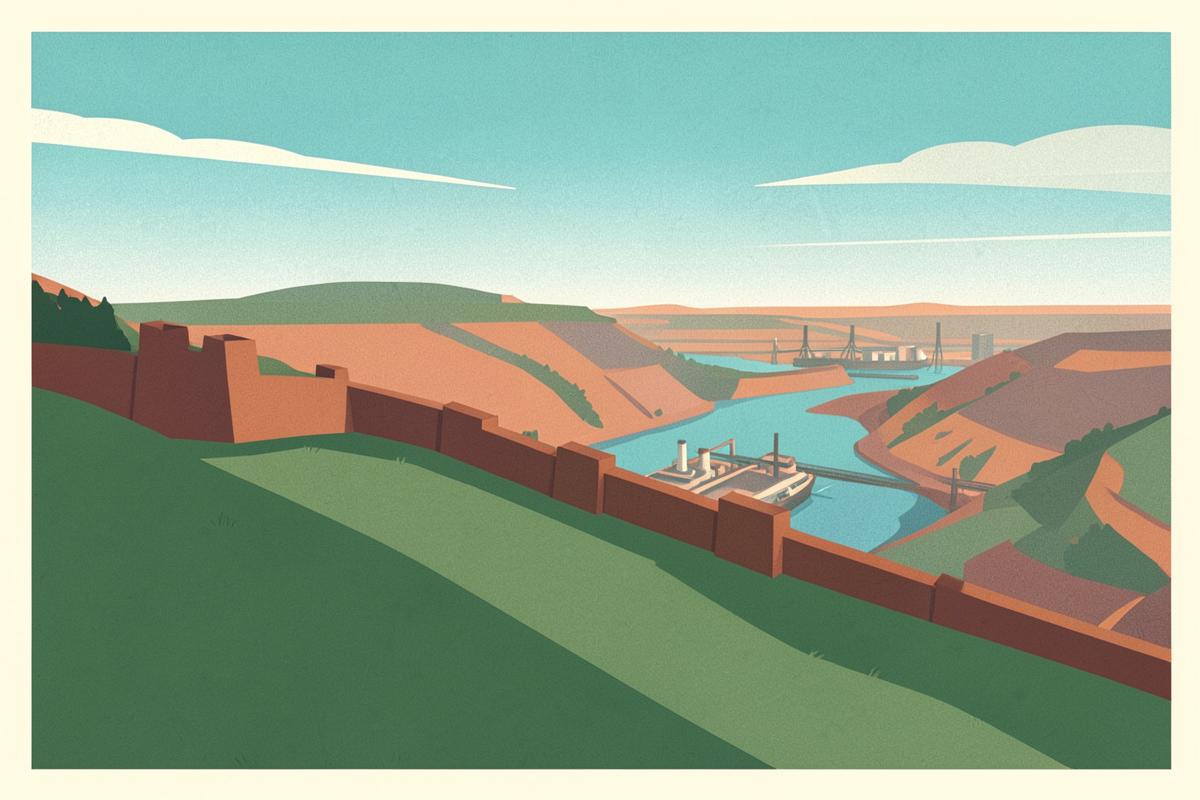
An Iron Age hillfort on a steep green hill with a sweeping view over the Don valley.
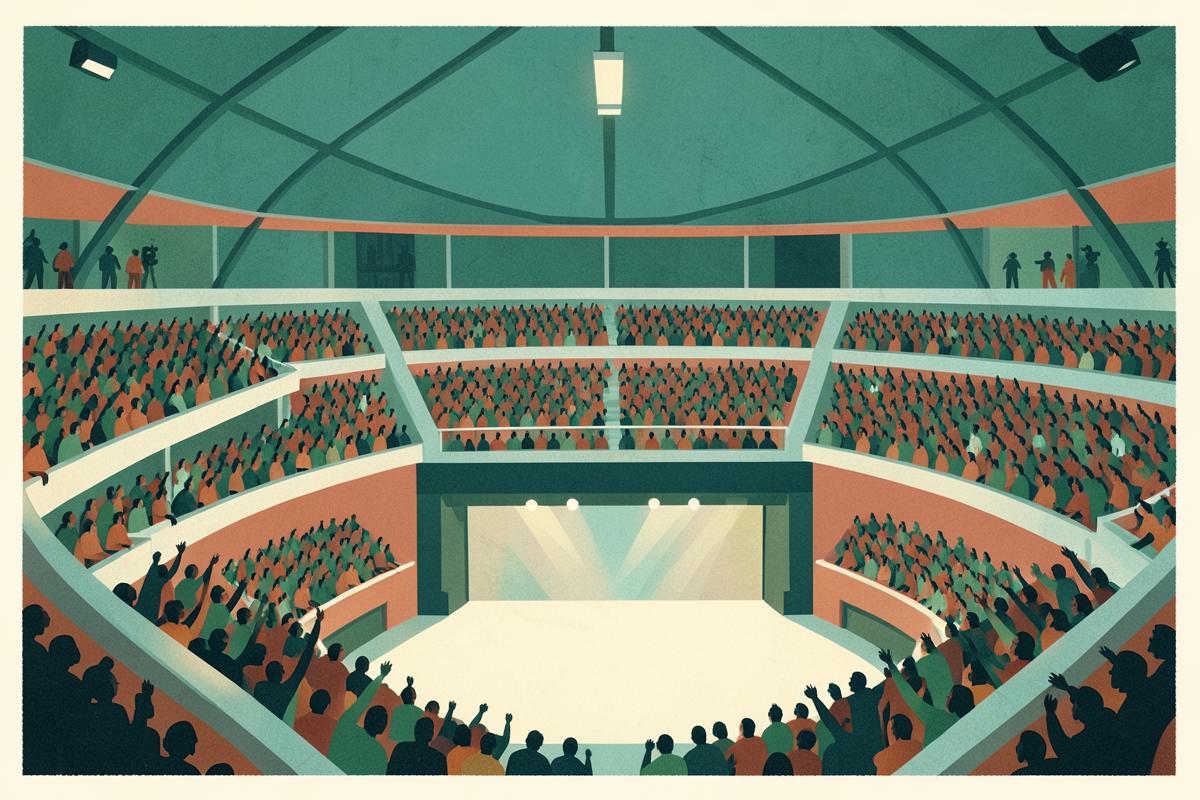
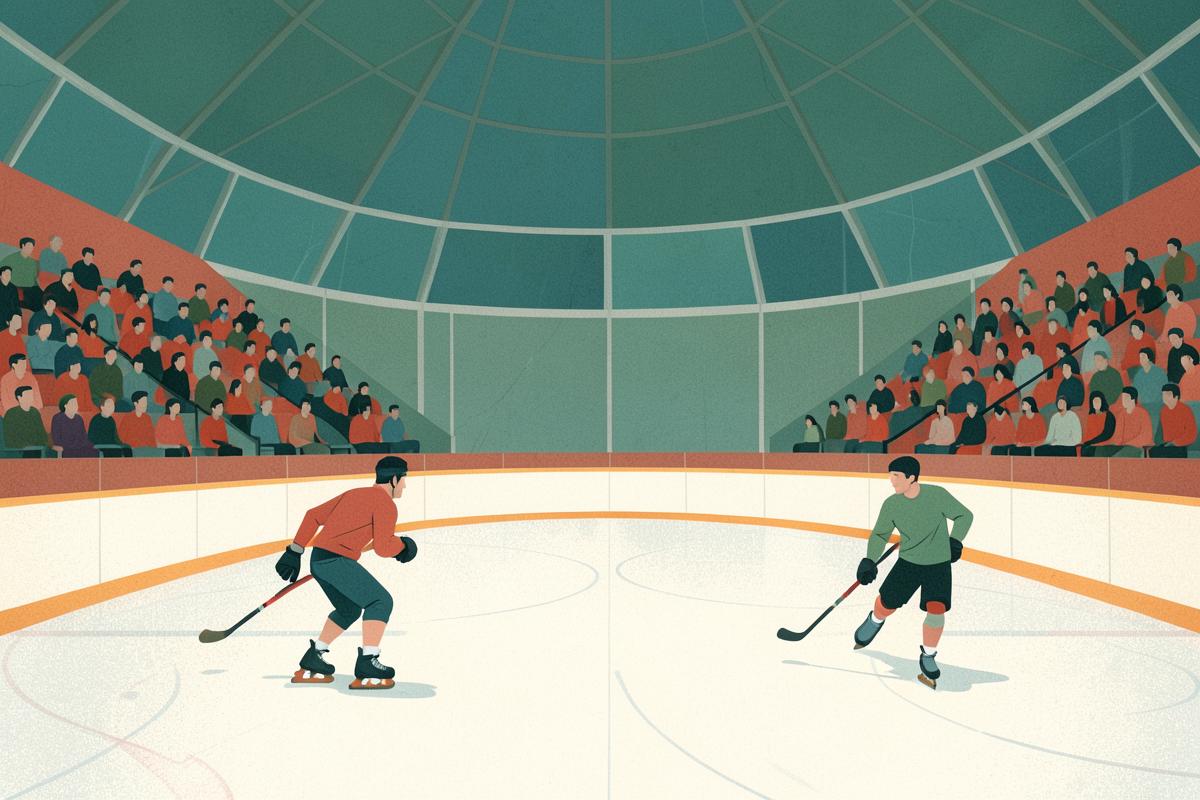
The city's 13,600-capacity arena for big-name concerts, comedy and ice hockey.
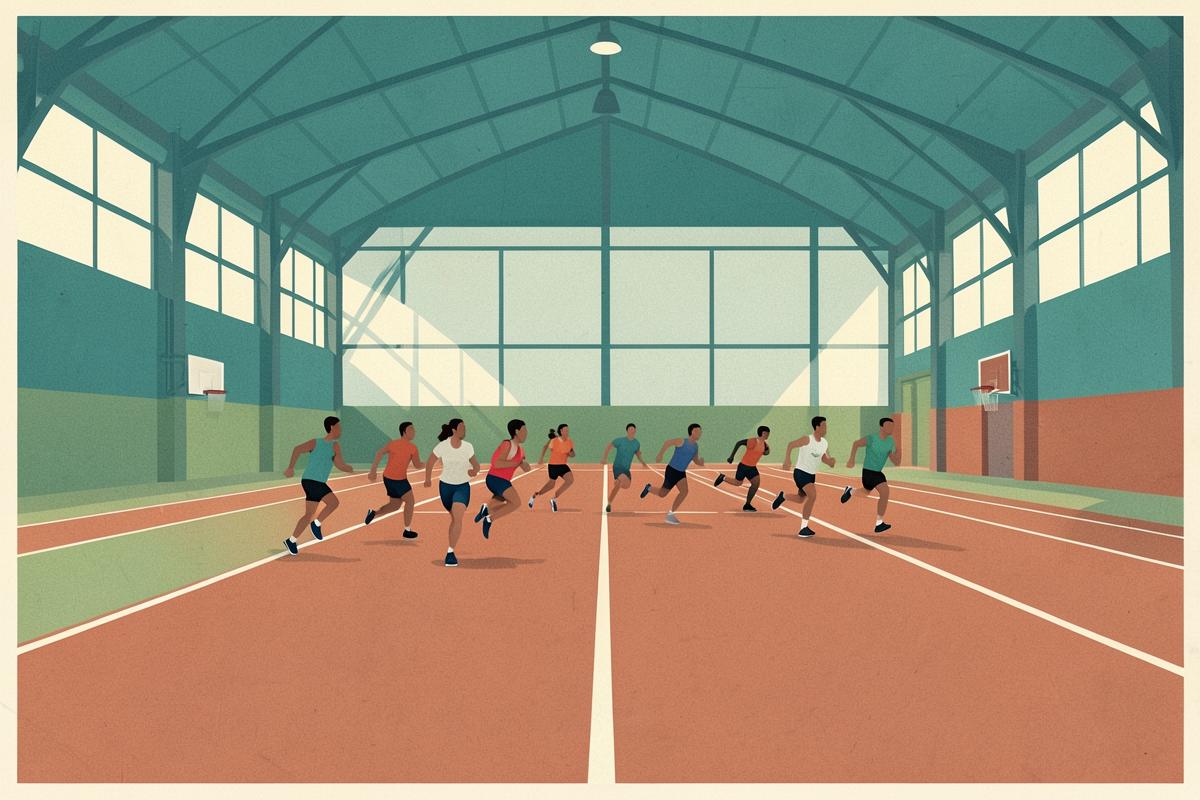
A national training centre with an indoor athletics track, open to the public for sessions.
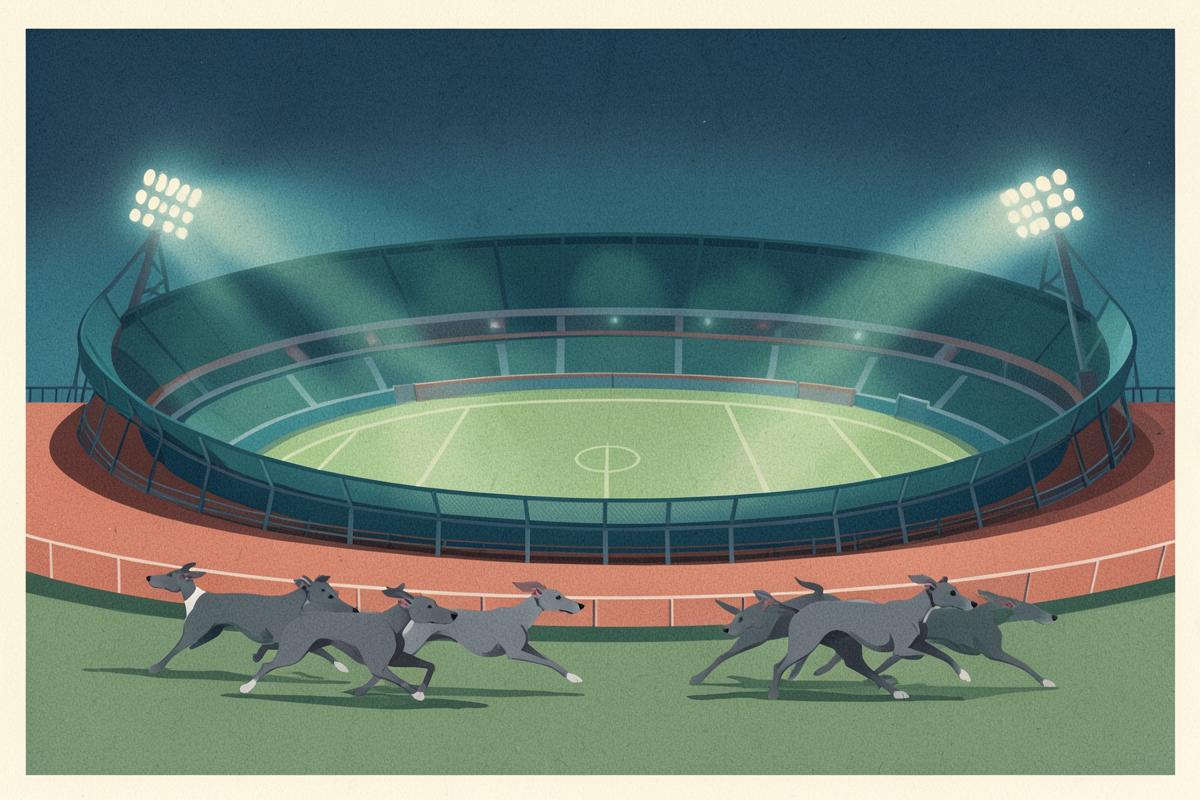
Greyhound racing and speedway at a floodlit stadium in the north of the city.
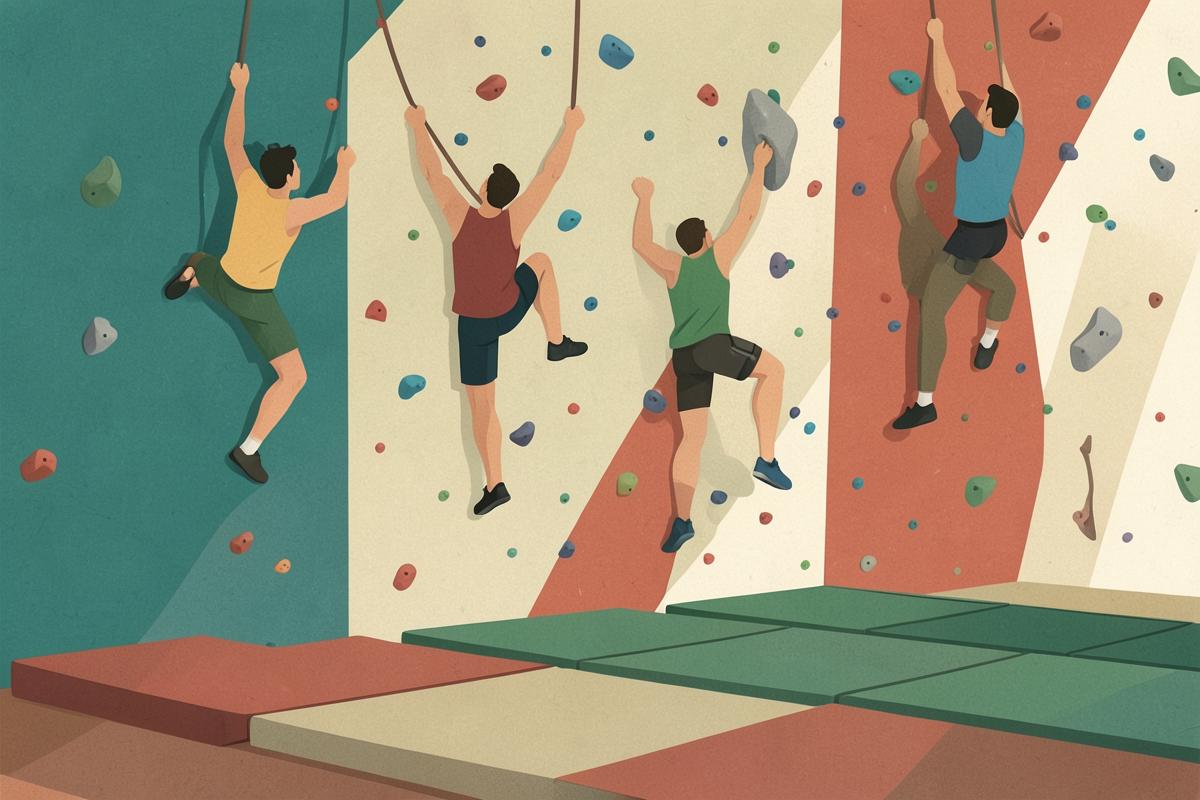
One of the world's largest bouldering centres, in the city that invented modern gritstone climbing.
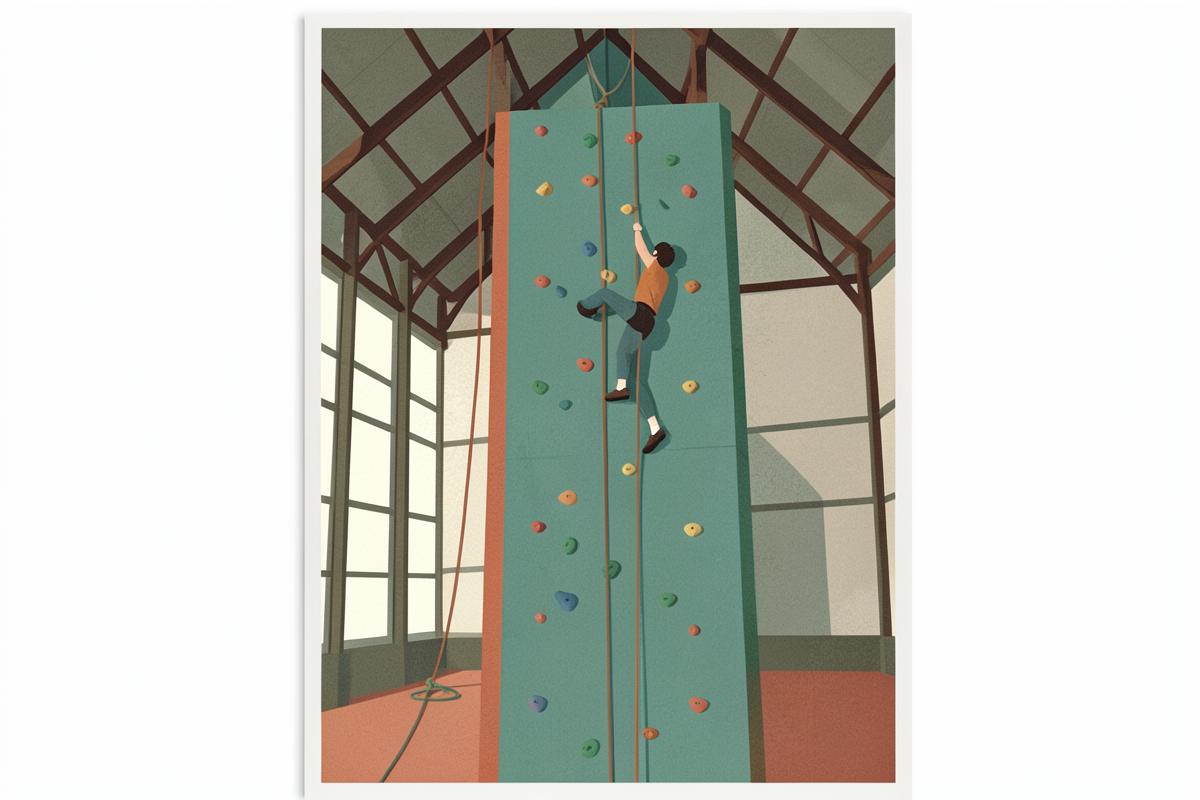
A tall roped climbing centre in a converted industrial building near the Don.
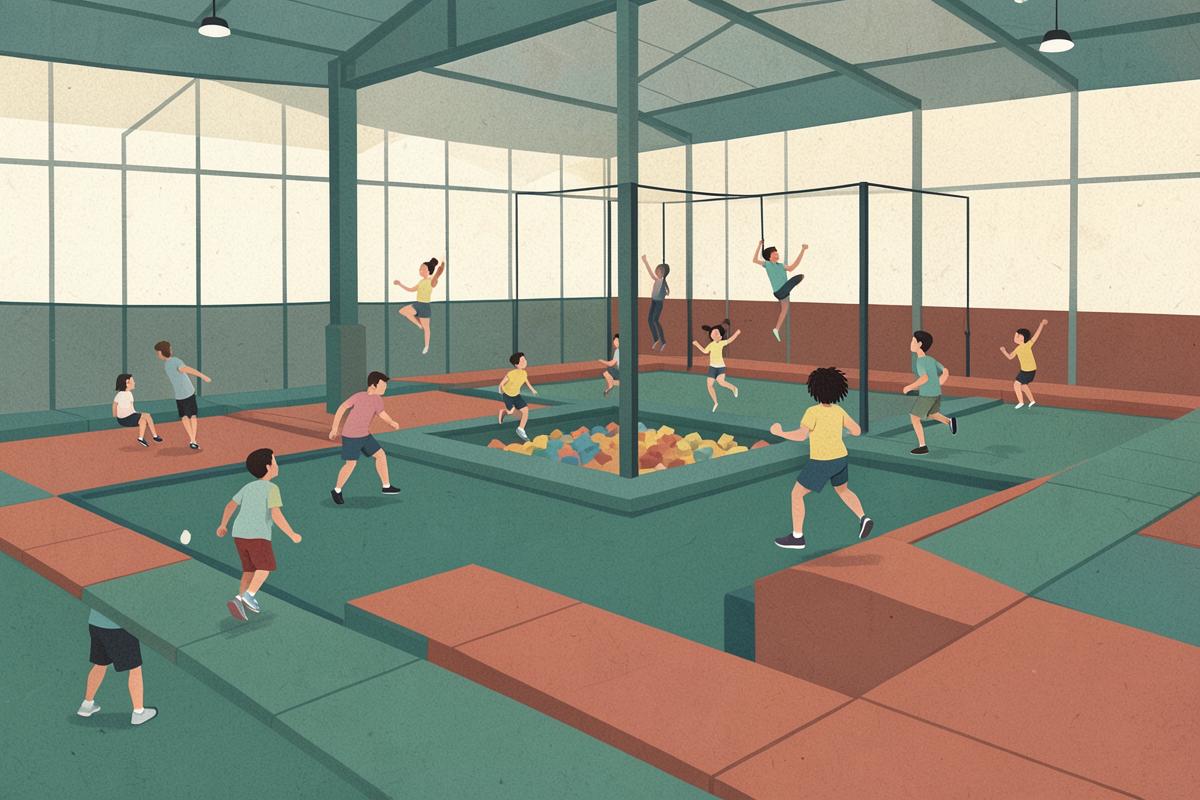
A big trampoline and inflatable park beside Meadowhall, built for rainy days with children.
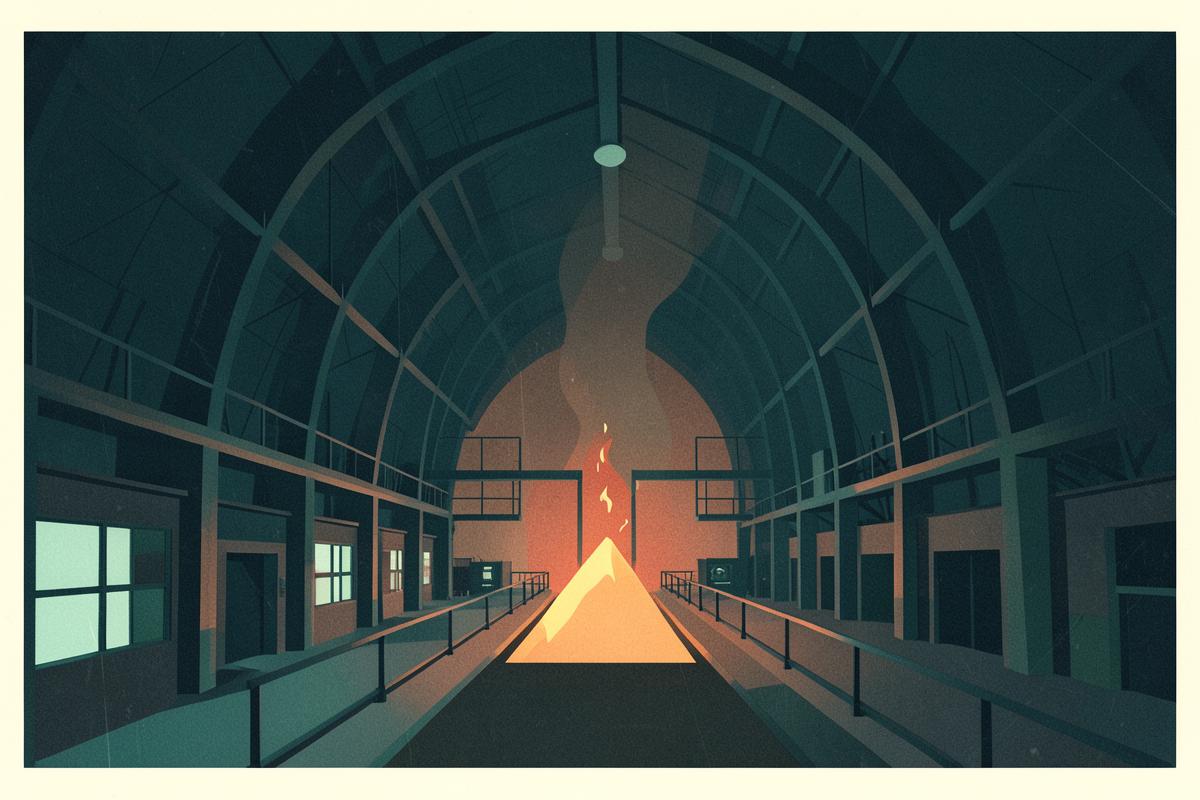
A vast former steelworks turned hands-on science centre, with a fire-breathing arc furnace show.
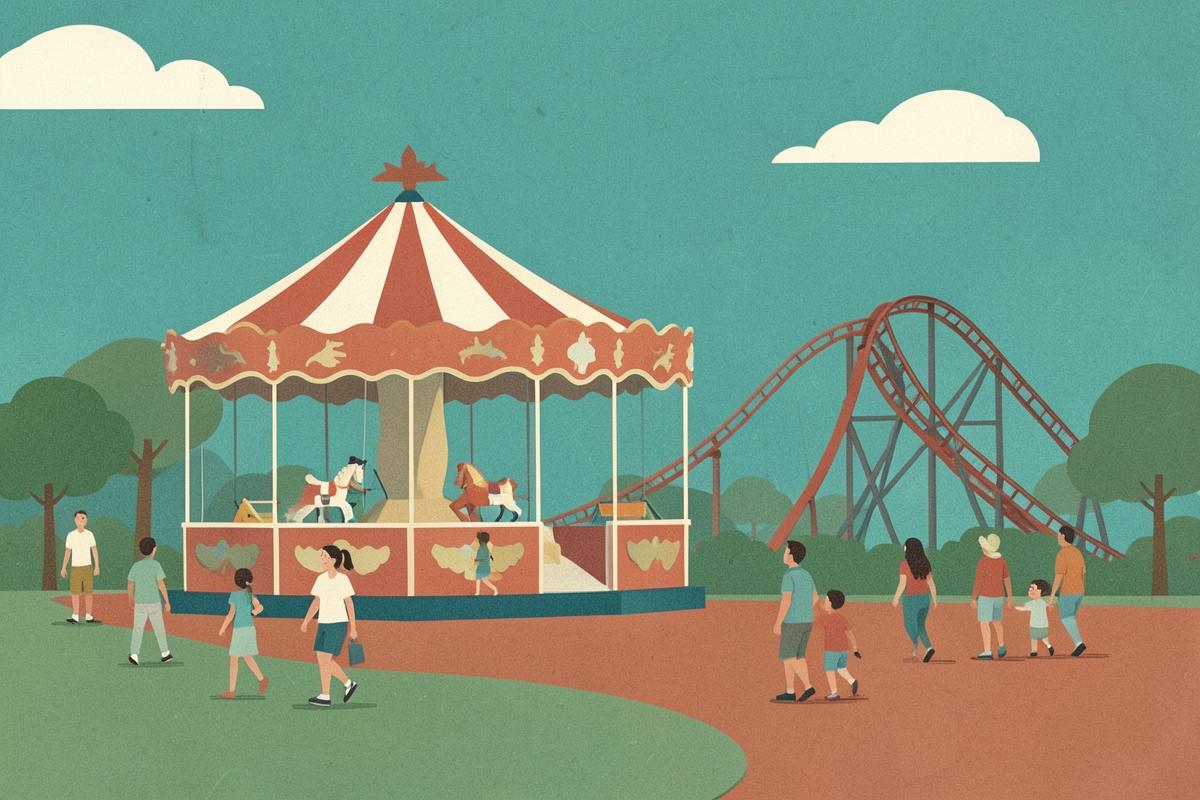
A family theme park for younger children, twenty minutes east of the city.
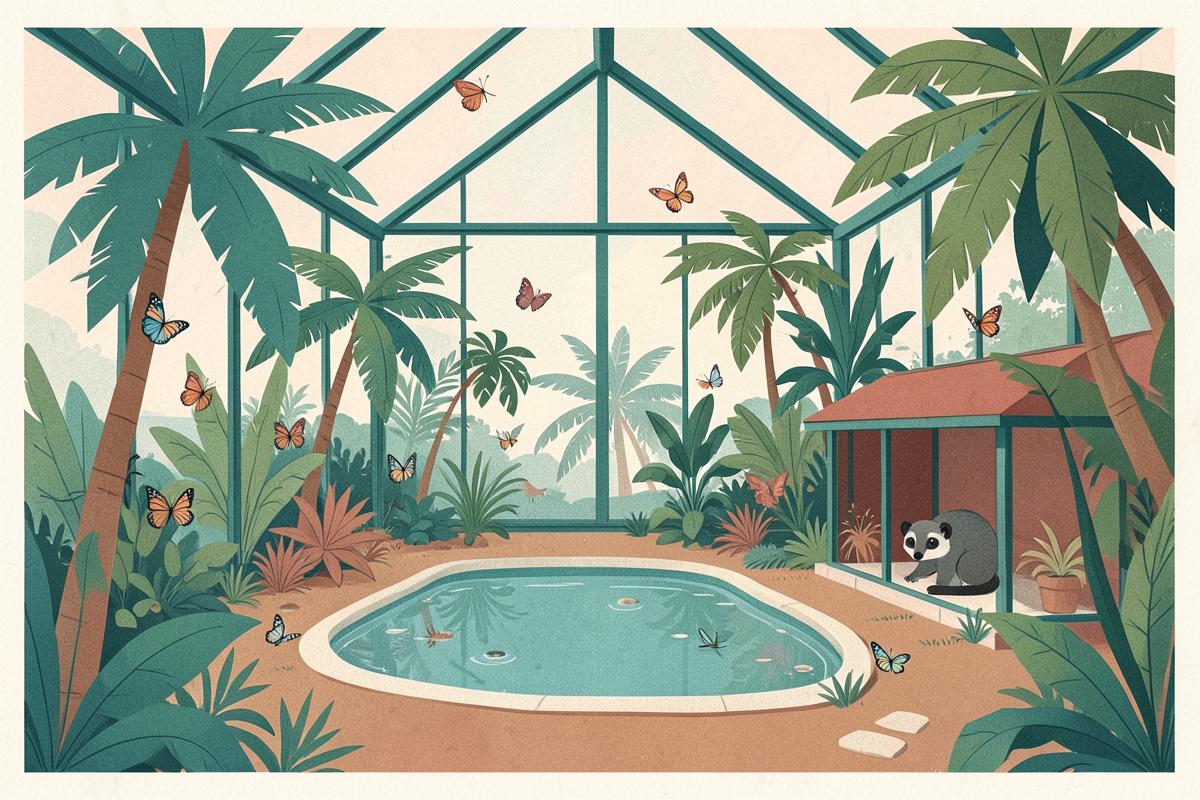
Free-flying butterflies, meerkats, lemurs and daily falconry displays on the city's eastern edge.
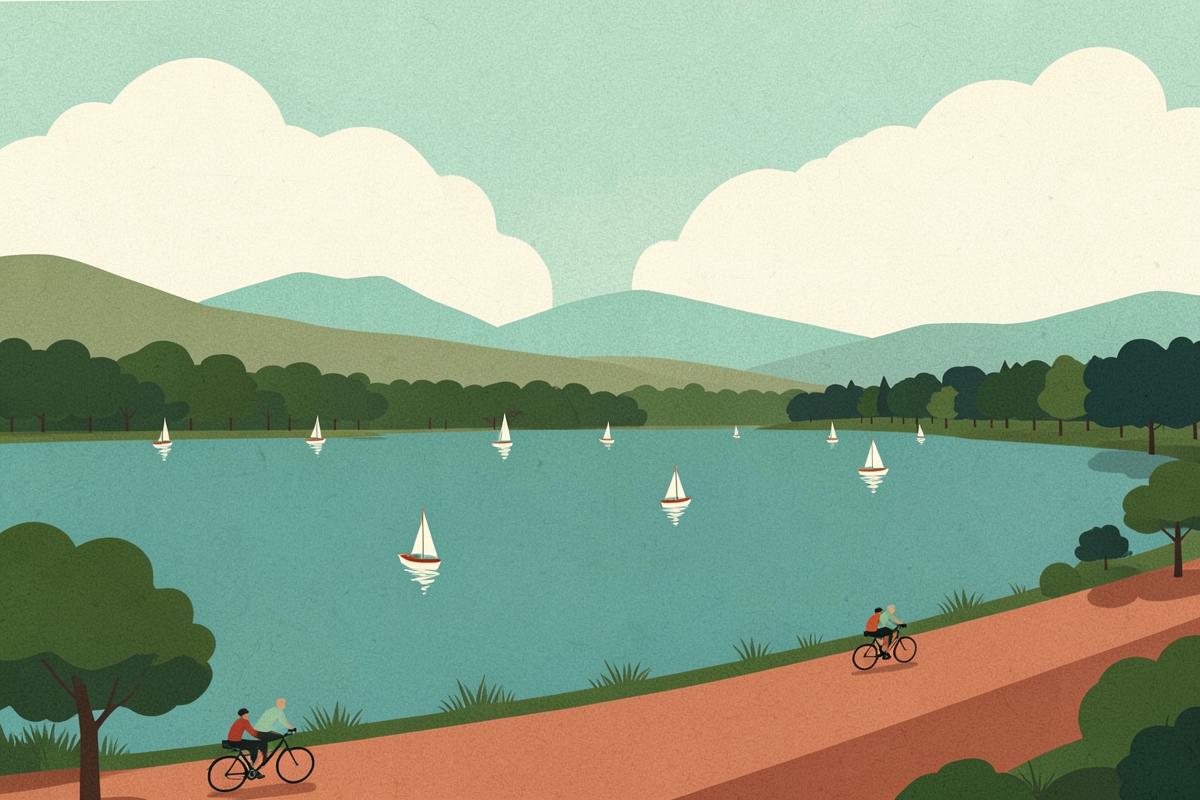
Lakes, cycling and watersports across a big country park on reclaimed mining land.
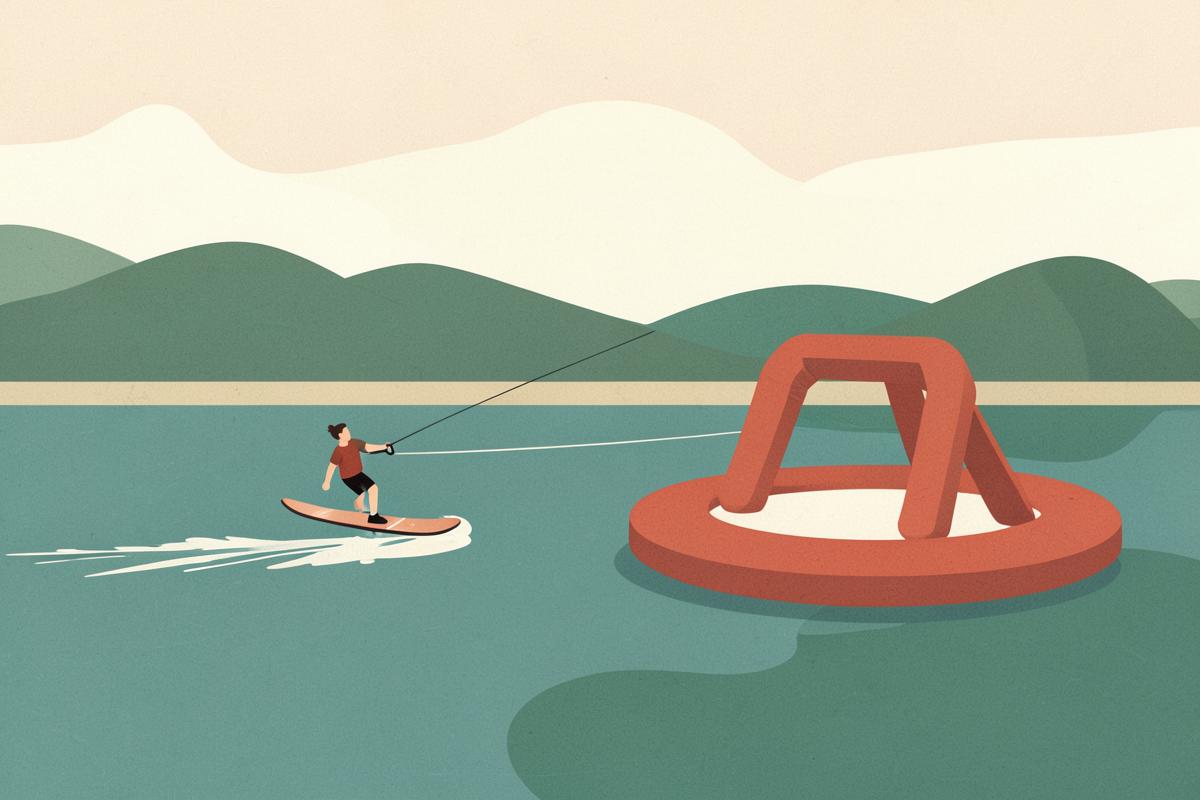
Cable-towed wakeboarding and a floating inflatable aqua park on Rother Valley's lake.
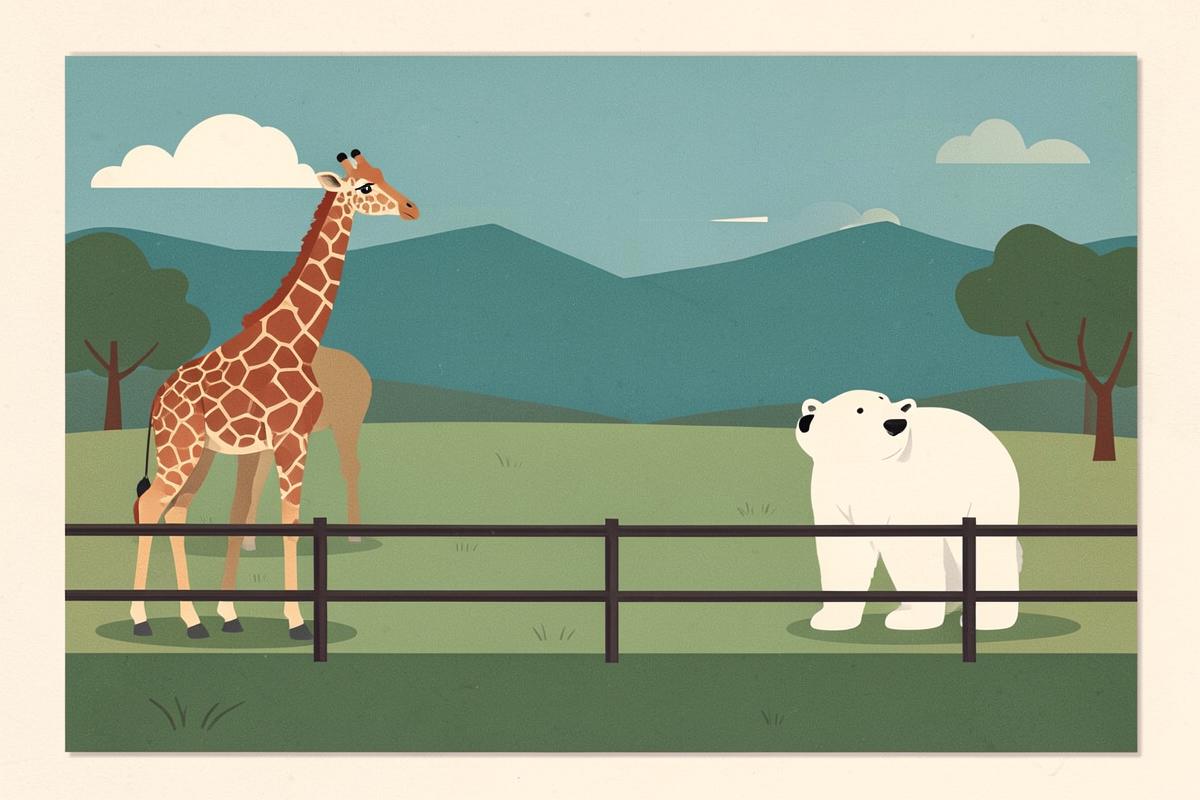
Polar bears, lions and giraffes in huge reserves — a regional day trip near Doncaster.
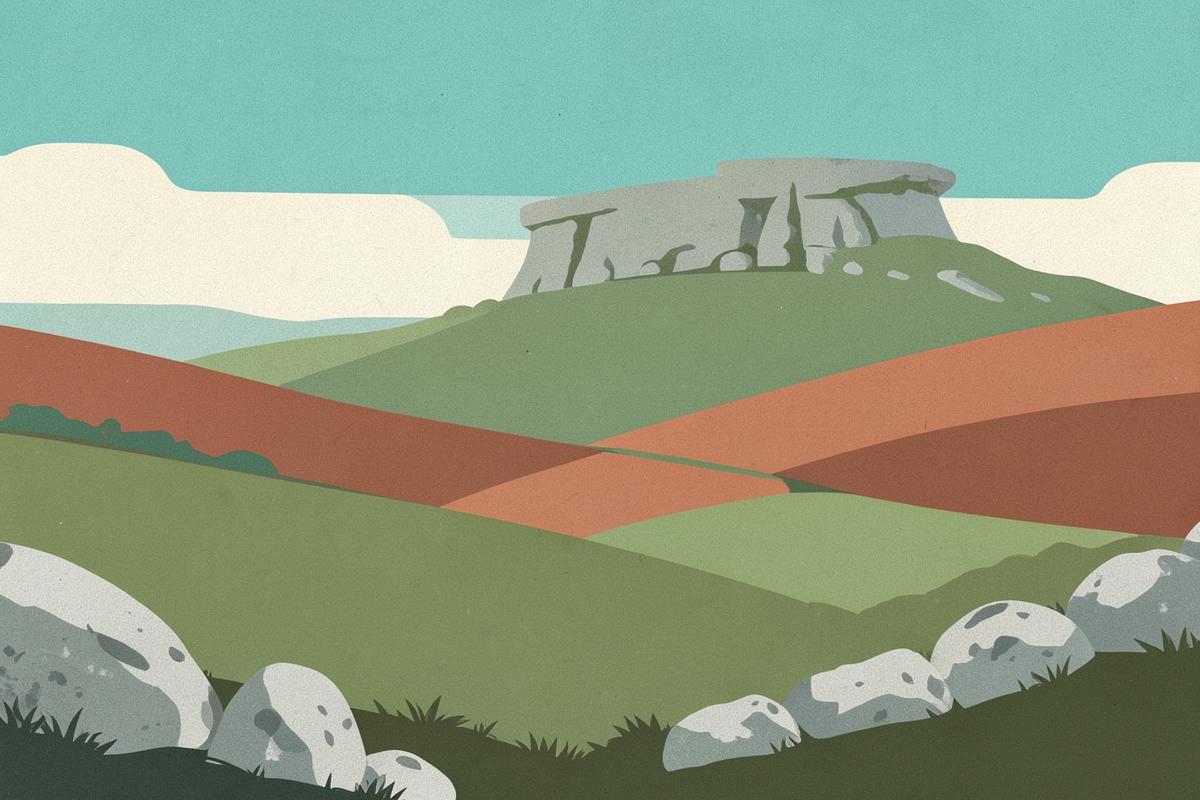
Gritstone edges, a flat-topped tor and an Iron Age fort, fifteen minutes from the city.
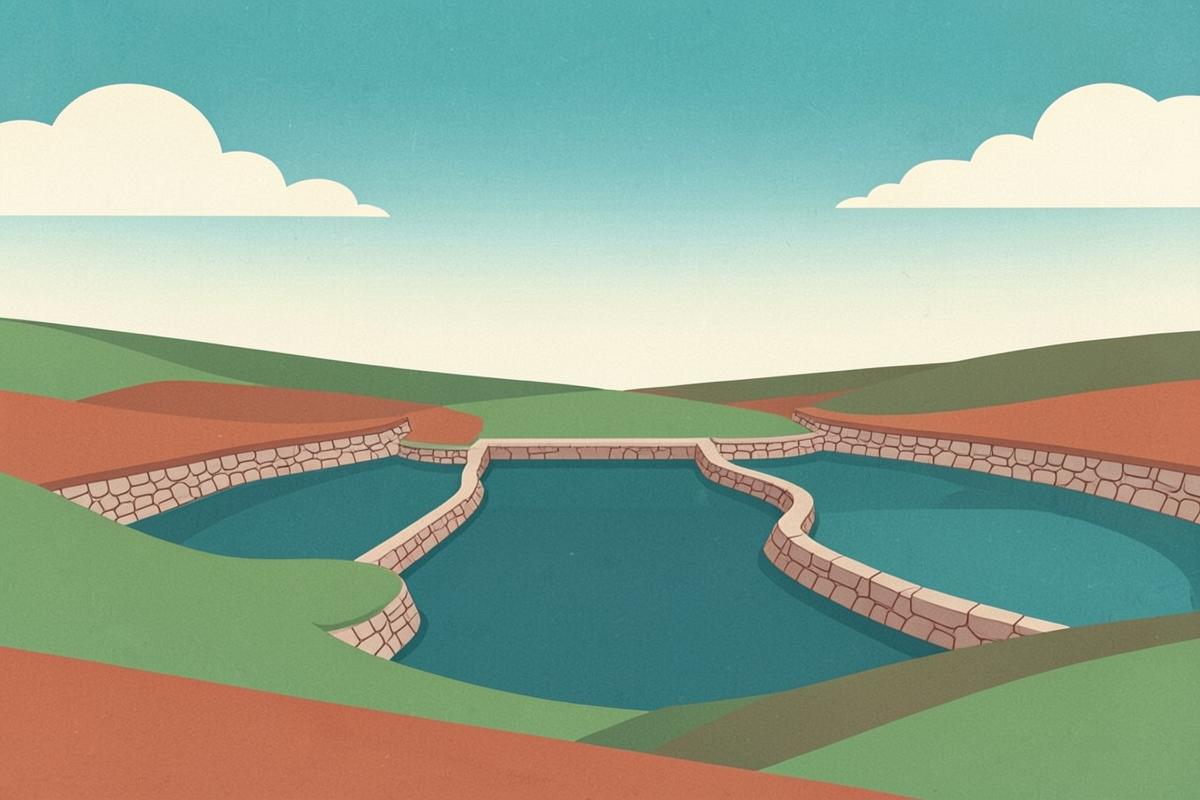
Three high moorland reservoirs on the city's western skyline, with big open views.
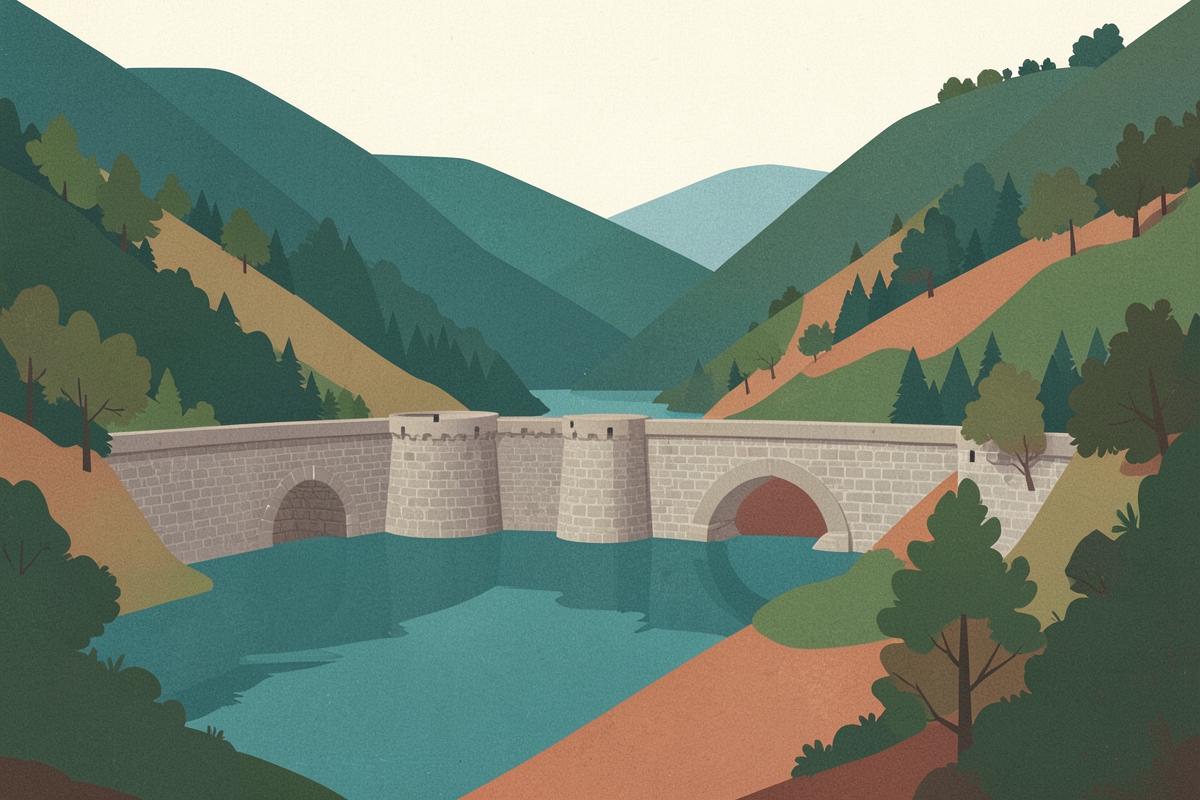
The Dam Busters reservoirs, with lakeside cycling, stone towers and drowned villages.
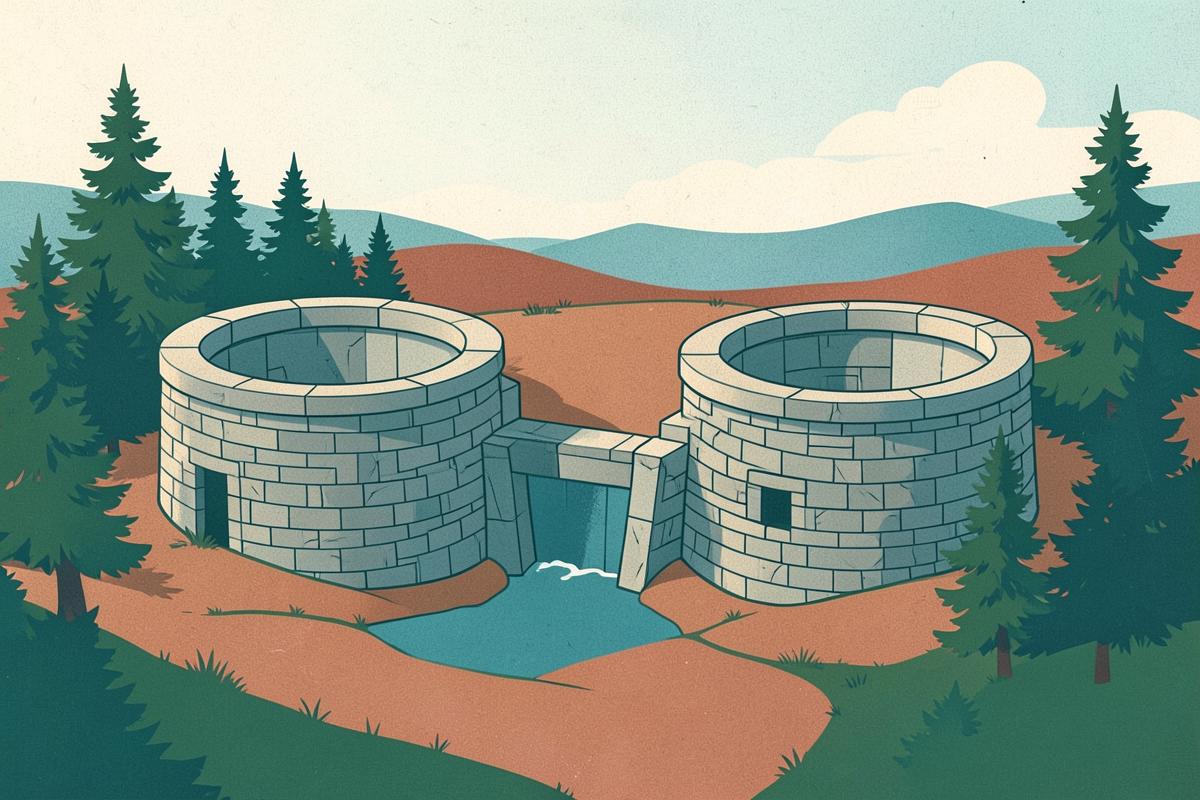
Two Victorian reservoirs above the Rivelin Valley, with a level circular walk.
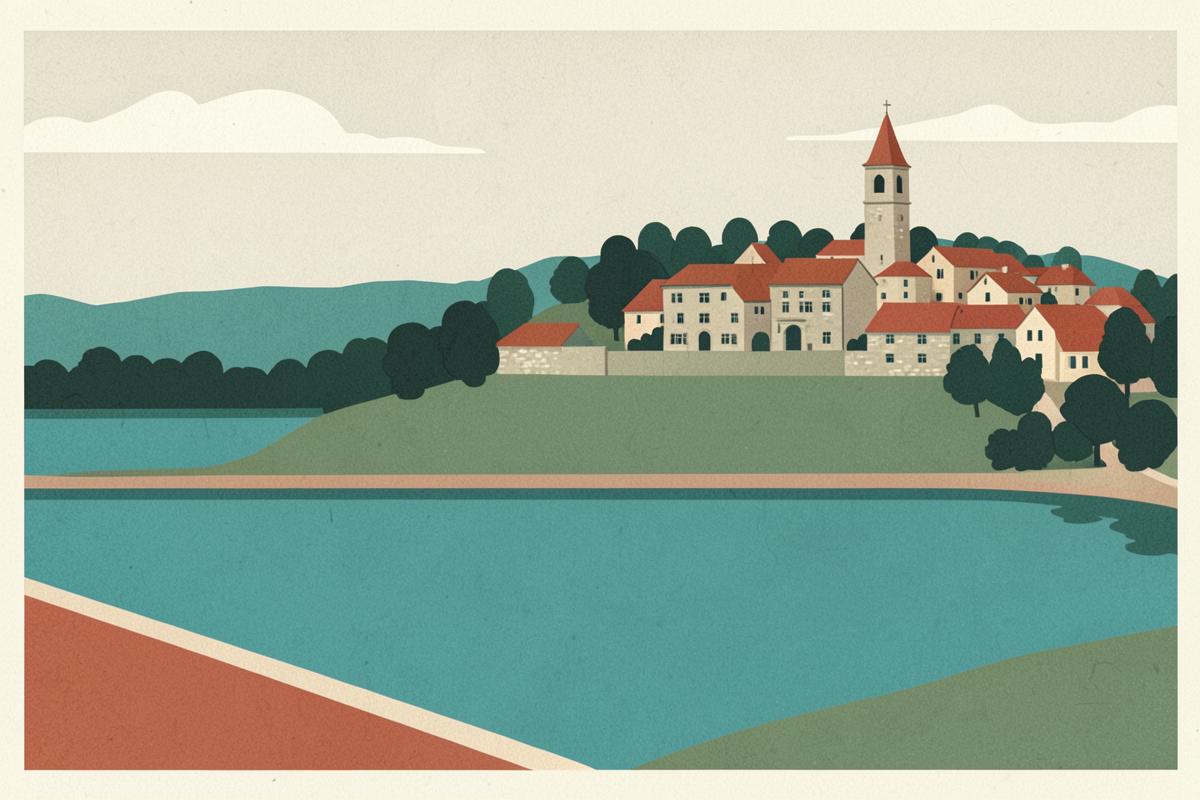
A popular circular reservoir walk below the hilltop village and church of High Bradfield.
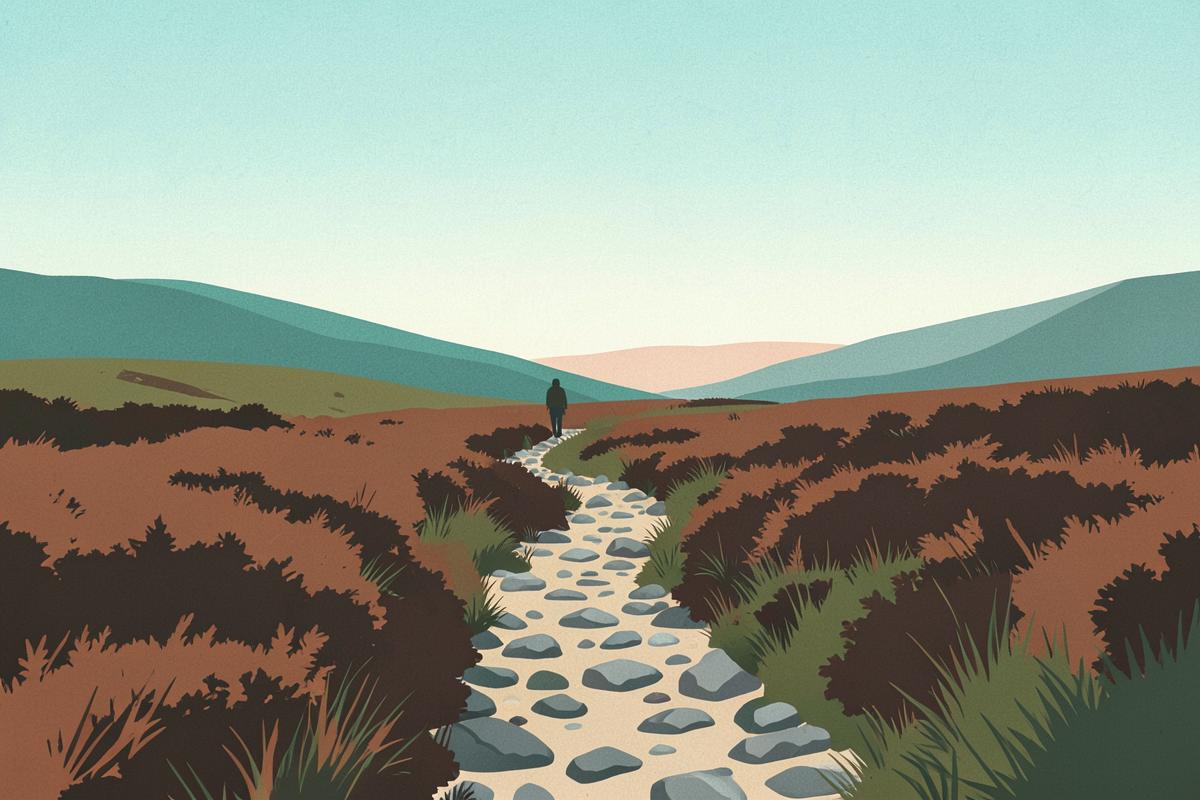
The moorland edge of the city, with an old turnpike track straight out onto open heather.
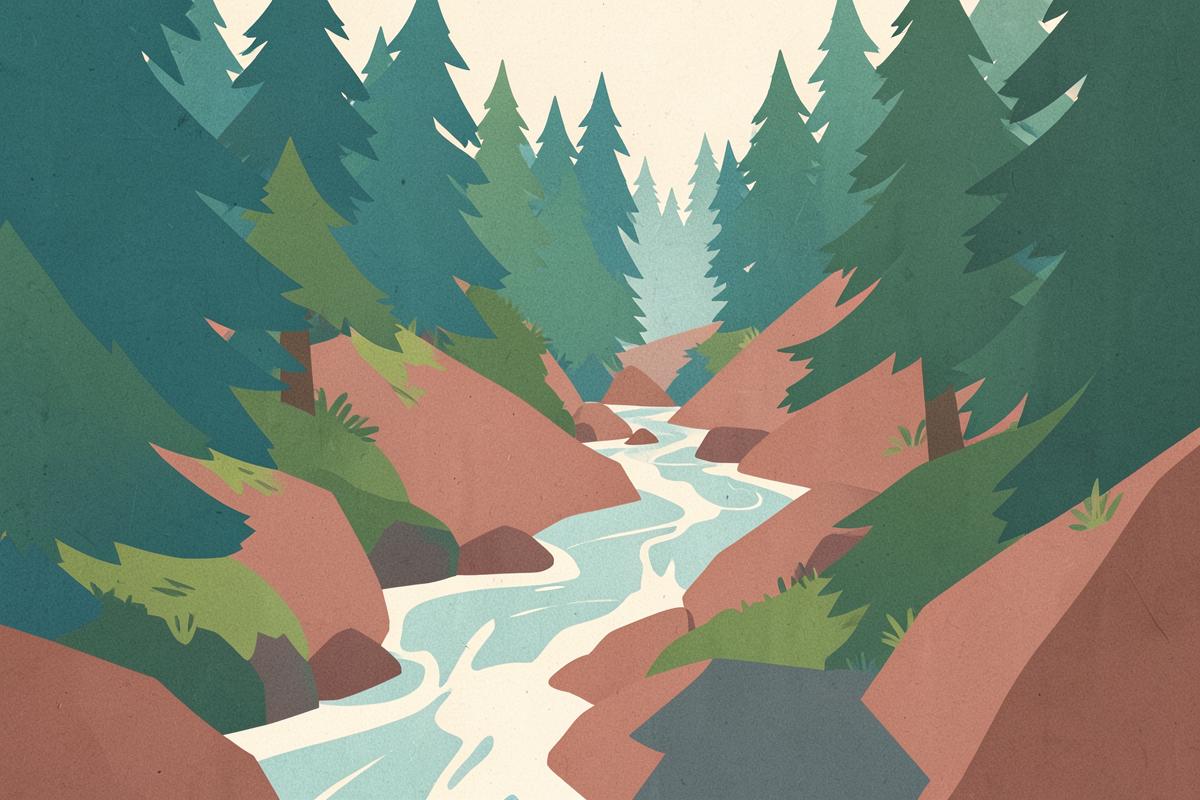
A steep rocky stream tumbling through conifer woodland, one of the wildest walks inside the city.
A National Trust estate of woods, moor and parkland on the Peak edge, with a tearoom.